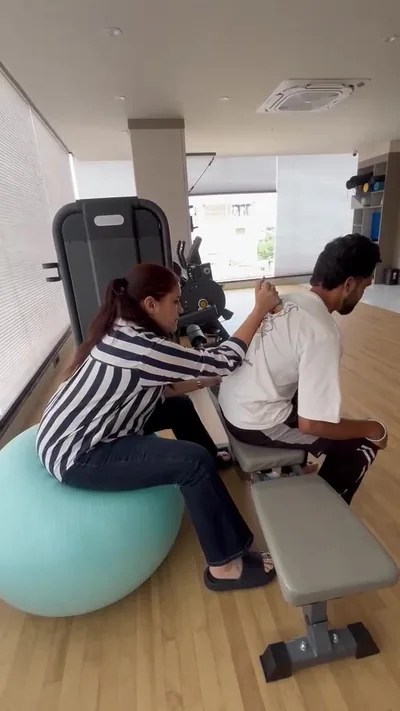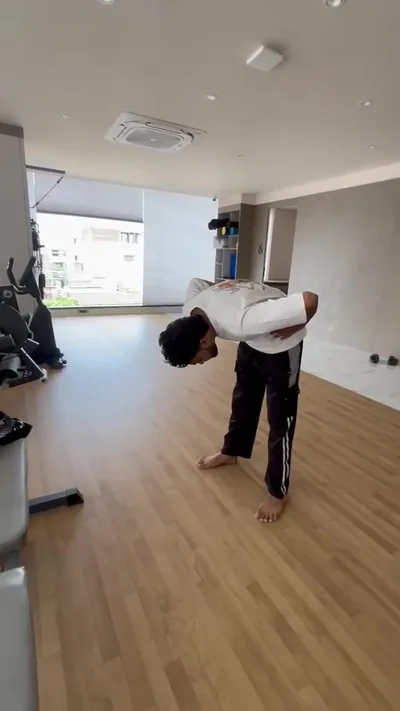
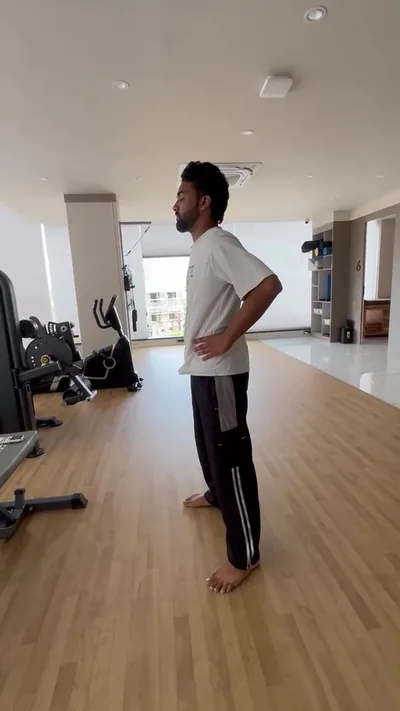
Is Side Bending Safe with L4 L5 Herniated Disc
An L4 L5 herniated disc happens when the disc between your fourth and fifth lumbar vertebrae bulges or ruptures. This presses on nearby nerves, causing pain…
Read article

Fast bowlers in Jaipur risk ACL tears from cricket demands. The anterior cruciate ligament stabilises the knee in explosive moves. Poor preparation causes strains. This guide gives warm-up circuits to lower risk for young cricketers.
Drills use dynamic stretches and activation. They need no equipment and suit local grounds. Consistent use aids protection. A physio first checks your bowling action for knee stress.
Young players train on Jaipur pitches. Routines prevent setbacks. Start basic, then advance. Physios spot issues like early knee bend or weak glute control. They teach cues: “knee over toe” or “hips forward”. Daily habits build resilience.
The ACL keeps the knee steady in fast bowling. It stops the shin bone sliding forward. Bowlers plant the front foot hard, twisting the knee under weight and speed. Jaipur heat makes muscles tighten faster without prep.
Jaipur cricketers often skip warm-ups. Heat, long nets or fatigue raise risks. Tears sideline players for months. Warm-ups boost blood flow and joint readiness, cutting ACL strain. They wake nerves that sense knee position, called proprioception.
Signs of trouble: knee swelling, instability, or a pop sound. See a physio right away. Assessment spots weaknesses with tests like single-leg stands, twists, or hop for distance. They measure knee bend angles too. Looking for a Rehabilitation Centre Near Me? Our team in Vaishali Nagar, Jaipur can assess you in person.
Injury strikes in delivery stride. The bowler sprints, braces the front leg. Knee flexes under force. Uneven grip on dusty pitch twists knee inward, shearing ACL. Dry Jaipur surfaces make spikes slip more.
Back leg hyperextends on release. Weak quads fail control. Poor hip alignment adds inward knee stress. Field pivots load ACL when chasing. Quick turns after follow-through strain it further.
Physio breaks down action on video, notes foot angles and knee valgus—that’s inward knee collapse. Treatment starts with rest, ice, and controlled loading. Stop sharp pain and assess range of motion daily.
Run-up builds speed. Front knee bends sharply at delivery; back knee extends fast. This loads ACL. Jaipur’s hard, dry pitches increase impact forces on landing.
Poor warm-up leaves muscles cold, unable to absorb shock. Fatigue worsens form—knees cave in late overs. Dusty pitches demand extra control. Weak hips or quads add risk. Fielding changes direction too, like sudden stops.
Sports injury rehab in Jaipur fixes these. Physios target glute medius weakness with side-lying leg lifts for pelvis stability. They add single-leg deadlifts to mimic run-up load. Progress to medicine ball throws for power. More on Sciatica Treatment and how we assess it.
Do this 10-15 minute circuit before bowling. No gear needed. Repeat each 30-60 seconds. Rest 15 seconds. Breathe steadily; control smoothly. Do on Jaipur maidan edges.
End with 2 minutes jogging, then shadow bowling 5 reps. Check front knee alignment—avoid inward twist. Fits Jaipur grounds. Do daily, even practice days. Track how knees feel post-warm-up.
After basics, add these 2-3 times weekly. 2-3 sets of 10-15 reps each. Warm up first. Stop if pain sharpens or swells. Use a mirror or phone video for form.
Add a fifth: Bowling-specific step-ups. Step onto low box with front leg, drive up like brace. 10 reps per leg. Builds quad endurance.
Physio like Dr. Jyoti Choudhary supervises. She has 17+ years in sports, orthopaedics. She adds resistance bands for hip abduction later, pulling legs outward against inward collapse.
Check spikes for wear—replace if studs flatten. Land with knee soft bend, not locked. Limit spells to 4-6 overs, with 2-minute breaks. Rotate ends if dusty. You may also find Knee Prevention Warm-Ups for Fast Bowlers in Cricket useful.
Hip strength: clamshells lying on side, knees bent, lift top knee 20 reps per side. Core: planks in bowling stance, front knee bent, hold 20-30 seconds.
Physio measures leg strength imbalances with hand-held dynamometer. Tracks progress with hop tests—single, triple, or crossover. Add 8 hours sleep, 3 litres water daily. Eat protein post-session like dal or eggs for muscle repair.
Starts with full assessment: watch gait on treadmill, check knee range with goniometer, test muscle strength. Phase one: protect knee with taping or brace, use crutches if limp. Ice 15 minutes every 2 hours.
Phase two: restore full motion. Wall slides, bike without resistance. Phase three: build strength—partial squats to full, step-ups on 10cm box, leg press if available. Orthopaedic Rehabilitation rebuilds power through graded loading.
Phase four: sport-specific return. Monitor landing mechanics, correct excessive lean back. Home exercises include 20-min daily circuits. Weekly physio checks hop symmetry.
Aids prevention and recovery. Dr. Jyoti Choudhary serves Rajasthan Senior Women’s Cricket Team. Dr. Hritika Choudhary handles electrotherapy for swelling control. Dr. Ishu Sharma leads exercise therapy for strength rebuild.
Covers full rehab paths, Manual Therapy for mobility release. Locations: Vaishali Nagar, Vidyadhar Nagar. Home visits for net sessions, online consults for form videos.
Staff explain each step, give homework like knee pain logs or weekly video clips. They adjust for Jaipur summer heat—shorter sessions, more hydration breaks.
Warm up every session with dynamic drills. Strengthen hips and core progressively. Watch for pain signals. Adjust bowling alignment with physio cues.
Consistent routines protect ACL on local pitches. Track progress weekly with balance times or hop distances. Share nets with teammates for mutual checks.
High knees for quads, leg swings for hips, walking lunges for control. Add butt kicks, shadow bowling, single-leg balance. 10-15 minutes total.
Equipment-free circuits before nets. Build hip and core strength. Rest between spells. Physio checks form via video. Proper spikes, knee-aligned landing.
High knees, lunges, butt kicks, leg swings, arm circles. 30-60s each, repeat circuit twice. End with jog and shadow reps. Suits maidan practice.
Yes. Full assessment finds risks like weak glutes. Tailors drills, teaches video self-analysis for knee valgus.
At swelling, instability, sharp pain, or giving way. Early visit prevents full tear. Bring net videos of recent sessions.
Phased plan: protect (tape, rest), restore motion (slides, bike), strengthen (squats, hops), return to nets graded. Physio oversees weekly. Home program included.
Protect knees for more wickets. Book at Trivayu Physio Center. WhatsApp or call +91 90570 65065.
Physiotherapy is not the right first step for everything. Seek medical assessment promptly if any of the following apply to you:
If you lose control of your bladder or bowels, develop numbness around the groin, or have chest pain or breathlessness, treat it as an emergency and go to hospital.
Truly thankful to Dr. Jyoti Choudhary and the entire team of Trivayu Physio Centre for their genuine care, humble behaviour, and excellent treatment.
Mahesh Dhaka, Google review
This is one patient's own account, published with consent on our reviews page. It describes their experience, not a predicted outcome. Individual results vary.
An L4 L5 herniated disc happens when the disc between your fourth and fifth lumbar vertebrae bulges or ruptures. This presses on nearby nerves, causing pain…
Read articleShopkeepers in Jaipur often stand for long hours behind counters. This prolonged standing can trigger sciatica pain. Sciatica happens when the sciatic nerve gets irritated, often…
Read articleHerniated disc night pain disrupts sleep for many. The disc bulge presses on nerves, causing sharp back pain or sciatica that flares up at night. Simple…
Read articleMessage us on WhatsApp with your main concern and preferred time, and we'll confirm your first visit the same day.