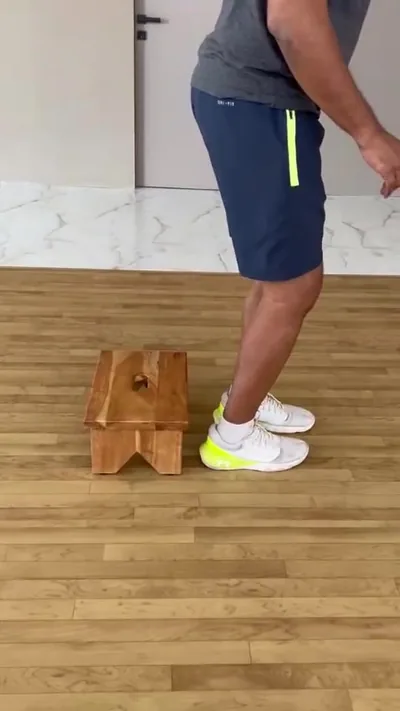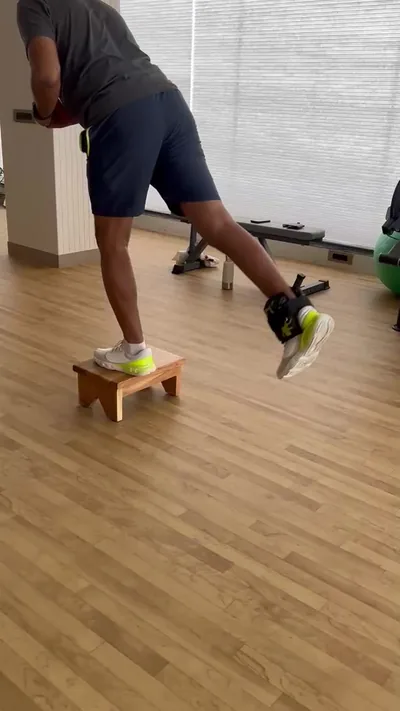
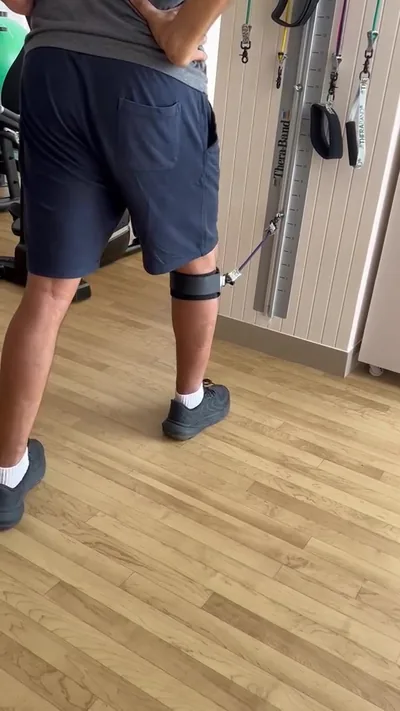
Backward Walking in ACL Rehab Phase 2
Backward walking helps athletes recover from ACL injuries. It builds knee stability in Phase 2 of rehab. This exercise targets quadriceps and improves control after surgery…
Read article
After a C-section, core muscles need careful recovery. Surgery cuts the abdominal wall, affecting transverse abdominis and pelvic floor. Weeks 6-12 allow safe core strengthening progressions.
Trivayu Physio Center offers maternal rehab in Jaipur. Our team supports post-natal core recovery with tailored exercises. Dr. Jyoti Choudhary and Dr. Hritika Choudhary specialise in women’s health physiotherapy.
Weeks 6-12 build from gentle activation to stronger moves. Focus on breathing and control. Combine with pelvic floor work. Professional guidance prevents setbacks.
C-section weakens abdominal wall. Scar tissue forms as it heals. Full strength returns over months. Transverse abdominis supports spine and organs. Surgery disrupts it, so reactivation starts slow.
By week 6, basic movement resumes if doctor-cleared. Weeks 6-12 progress from activation to strength. Check for diastasis recti, separation of rectus abdominis along midline.
Rushing worsens diastasis recti or causes pain. Gentle work closes gap. Avoid belly-out moves like sit-ups, crunches, or twists. Draw inwards with control.
At Trivayu, physiotherapists check scar mobility, posture, strength, and measure diastasis gap. We palpate for adhesions around incision. Locations in Vaishali Nagar and Vidyadhar Nagar serve Jaipur mums. Looking for a Rehabilitation Centre Near Me? Our team in Vaishali Nagar, Jaipur can assess you in person.
Weeks 6-8 focus on gentle core activation. Wake deep muscles without strain. Lie on back, knees bent, feet flat. Place hands on lower belly to feel movement.
Pelvic floor acts like a hammock under pelvis. After birth, it may feel loose. Contract gently like stopping urine flow or wind, without tensing buttocks, thighs, or abs.
Do daily, 2-3 sets of 8-10 repeats. Rest 30 seconds between:
Stop if pain, pulling, bulging at scar, or doming in midline. No planks or sit-ups yet. Use a mirror to watch belly form.
Get in-person check at Trivayu. We assess pelvic floor strength with internal exam if needed, and diastasis to customise plan. Home visits available for new mums. Read more about our Posture Correction.
Weeks 9-12 add control and holds if basics feel strong and doctor-cleared. Monitor body signals.
Do 2-3 sets daily, 8-10 repeats unless noted. Exhale on effort, inhale to reset. Rest day if sore:
Check midline for diastasis after each set: no bulging. Ease back if pain, pulling, or fatigue. Build to 3 sets.
Trivayu clinical pilates and exercise therapy provide feedback with reformer for controlled resistance. Dr. Jyoti Choudhary guides progressions safely.
Physiotherapy aids postnatal core recovery in Jaipur. At Trivayu, full assessment palpates scar for adhesions, tests core endurance with holds, evaluates pelvic floor function, and measures diastasis gap.
Manual therapy: Myofascial release (MFR) softens tight tissues around incision.
Ante-natal and post-natal programs target core and pelvic floor. Clinical pilates uses reformer, trapeze table, or mat for controlled progressions. Builds endurance without strain.
Electrotherapy like TENS reduces scar pain or nerve tingles. Dry needling releases muscle triggers in abs or back. Exercise therapy progresses to functional moves like squat with core brace.
Dr. Hritika Choudhary handles post-op rehab. Dr. Jyoti Choudhary offers women’s health expertise for new mums. Visit Vaishali Nagar or Vidyadhar Nagar. Online consultations teach form via video.
Seek physio for persistent scar pain, weak core feeling, diastasis recti wider than 2 fingers, bulging midline on effort, back pain, pelvic heaviness, urine leaks on cough, or lifting baby. You may also find Hip Replacement Gait Training Weeks 3-6 in Jaipur useful.
Trivayu offers explanations, long-term plans, home visits, online consultations. Expect initial session: history, physical tests, scar work, 3-5 exercises taught with demos, home programme. Follow-ups adjust based on progress.
Book at 204, 2nd Floor, Om Tower, Gandhi Path Road, Nemi Nagar, Vaishali Nagar, Jaipur. Mon-Sat 8 am-8 pm, Sun 10 am-1 pm. Call +91 90570 65065 or WhatsApp.
Week 6 post-op, after doctor clearance. Start pelvic tilts and TA activation. Physio check for diastasis or pelvic floor weakness first.
Weeks 6-8: Pelvic tilts, heel slides, TA activation, foot lifts. Weeks 9-12: Bridges, bird-dog, modified planks, seated marches, dead bug. Always add pelvic floor. Progress only if pain-free.
Assesses healing, teaches correct activation, uses MFR, pilates, TENS. Addresses diastasis, pelvic floor, scar mobility. Builds safe strength.
Yes, after physio assessment and guidance. Use mirror for form check, stop for bulging or pain. Daily consistency matters.
Avoid crunches. Focus deep TA activation, pelvic tilts, heel slides. Physio measures gap, guides specific draws and progressions.
Trivayu Physio Center in Vaishali Nagar and Vidyadhar Nagar. Specialised maternal rehab for postnatal core recovery and pelvic floor strengthening.
Core recovery needs patience over months. Use good posture all day: avoid slouching while holding baby. Track progress weekly: note hold times, gap size.
Book assessment at Trivayu Physio Center today. WhatsApp or call +91 90570 65065.
“`
*(Word count: 1,128)*
Physiotherapy is not the right first step for everything. Seek medical assessment promptly if any of the following apply to you:
If you lose control of your bladder or bowels, develop numbness around the groin, or have chest pain or breathlessness, treat it as an emergency and go to hospital.
Truly thankful to Dr. Jyoti Choudhary and the entire team of Trivayu Physio Centre for their genuine care, humble behaviour, and excellent treatment.
Mahesh Dhaka, Google review
This is one patient's own account, published with consent on our reviews page. It describes their experience, not a predicted outcome. Individual results vary.
Backward walking helps athletes recover from ACL injuries. It builds knee stability in Phase 2 of rehab. This exercise targets quadriceps and improves control after surgery…
Read articleAfter ACL surgery, rebuilding knee strength takes time and care. ACL rehabilitation phases guide this process step by step. Phase 1 protects the graft and cuts…
Read articleAfter hip replacement surgery, dressing your lower body safely helps build independence. By week 6 of hip replacement recovery, many patients aim to dress without help.…
Read articleMessage us on WhatsApp with your main concern and preferred time, and we'll confirm your first visit the same day.