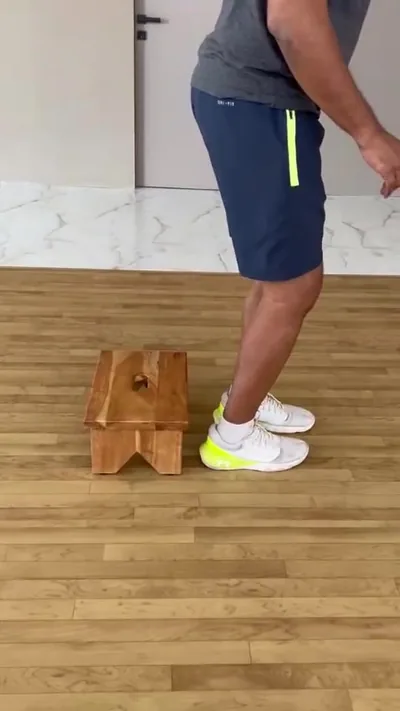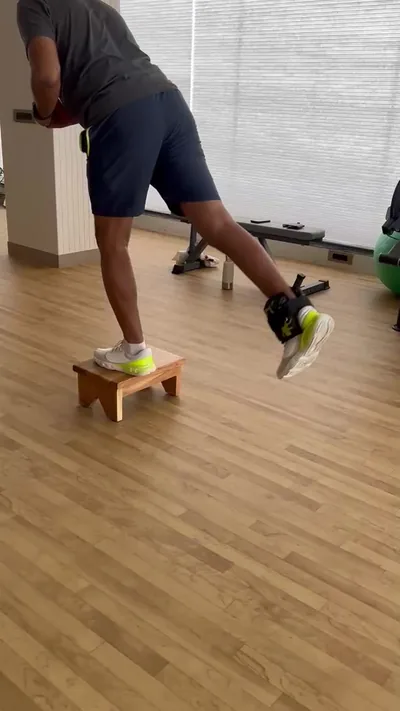
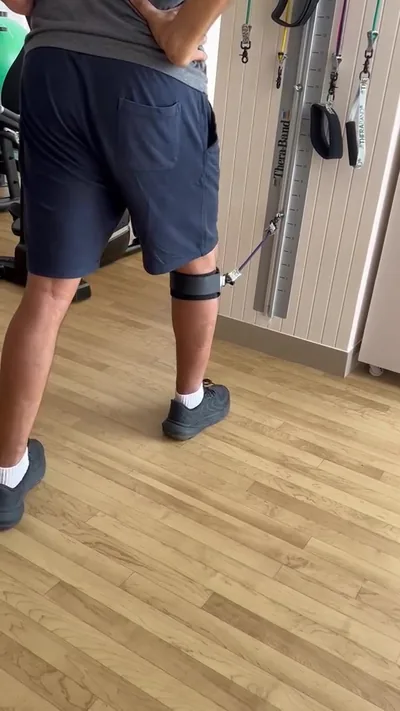
Backward Walking in ACL Rehab Phase 2
Backward walking helps athletes recover from ACL injuries. It builds knee stability in Phase 2 of rehab. This exercise targets quadriceps and improves control after surgery…
Read article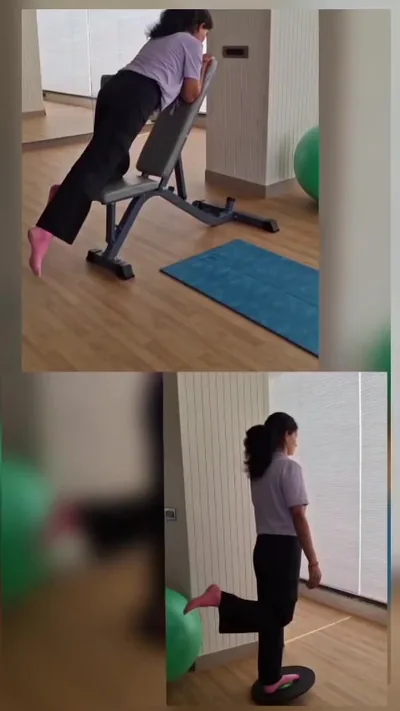

The short answer
Antenatal pelvic girdle pain exercises in Jaipur use pillows for pelvic support and stability. They include side-lying pelvic tilts, top leg lifts, clamshells, seated pelvic tilts, gentle hip openers, posture resets, wall-supported tilts, weight shifts, and hip flexor stretches. Available at Trivayu Physio Center in Vaishali Nagar, these reduce stiffness and sacroiliac discomfort.
Pelvic girdle pain feels like a sharp or dull ache around the lower back, hips and pubic area. Many women notice sacroiliac joint discomfort that spreads to the thighs or groin.
Everyday triggers include climbing stairs, getting in and out of a car, standing on one leg, or turning in bed. The growing baby shifts the centre of gravity, which adds strain on the sacroiliac joints. Gentle movement can reduce stiffness and support pelvic stability. Results differ for each woman.
Women’s health physiotherapy focuses on safe, controlled activity rather than complete rest. These antenatal pelvic girdle pain exercises in Jaipur are general suggestions only and do not replace a proper assessment.
A simple pillow creates support and stability for the pelvis. When placed between the knees in side-lying, it keeps the top leg level and stops the pelvis from twisting. In sitting, a pillow behind the lower back encourages neutral spine alignment. In standing, it gives feedback so the lower back does not arch excessively.
This support reduces uneven pull on the sacroiliac joints and promotes better posture. The moves are low impact and suitable for pregnancy related pelvic pain in the second and third trimester. Always move slowly and stop if pain increases.
Lie on your side with a pillow between your knees. Keep the bottom arm under your head or in front for comfort. Breathe in through the nose and out through the mouth.
Pelvic tilt in side-lying: Gently tilt your pelvis so the lower back flattens slightly toward the bed. Hold for three seconds, then release. Repeat eight to ten times. Avoid twisting the lower back; the movement should stay small. Looking for a Physiotherapist Near Me? Our team in Vaishali Nagar, Jaipur can assess you in person.
Top leg lift with support: Keep the pillow between the knees. Lift the top knee a few centimetres while keeping feet together. Lower slowly. Do six to eight lifts on each side. This strengthens the outer hip muscles that help pelvic stability.
Clamshell with pillow: Place the pillow between your knees. Keep ankles together and lift the top knee while keeping the pelvis still. Perform eight slow repetitions per side. Focus on controlled breathing and never force the movement.
Sit on a firm chair. Place a pillow behind your lower back or under your hips if needed for comfort. Keep feet flat on the floor.
Seated pelvic tilts: Sit tall. Gently rock your pelvis forward to create a small arch in the lower back, then tuck the pelvis under to flatten the curve. Move smoothly for ten repetitions. This helps improve control of the pelvic joints.
Gentle hip openers: Sit with the pillow supporting the lower back. Place one ankle on the opposite knee, keeping the movement within a comfortable range. Hold for ten seconds and switch sides. Do not bounce. Read more about our Women's Health Physiotherapy.
Posture resets: Sit forward on the chair. Roll your shoulders back and lift your chest slightly. Hold the upright position for five breaths. This reduces strain on the sacroiliac joints.
Stand with your back lightly touching a wall. Place a thin pillow or folded towel behind your lower back for feedback.
Wall-supported pelvic tilts: Gently press your lower back into the pillow to flatten the curve, then release. Repeat ten times. Keep the movement small and controlled.
Weight shifts: Stand with feet hip-width apart. Slowly shift weight from one foot to the other while keeping the pelvis level. Hold each shift for three seconds. This improves balance and reduces sacroiliac joint discomfort.
Standing hip flexor stretch with support: Place one foot slightly forward. Keep the pillow against your lower back. Gently tuck the pelvis and feel a mild stretch at the front of the back hip. Hold for ten to fifteen seconds per side. Avoid arching the back.
These moves are general and every pregnancy differs. If pain continues, spreads to the legs, or makes walking difficult, an in-person assessment is important. A women’s health physiotherapist can check posture, joint alignment and muscle strength before giving tailored guidance.
Trivayu Physio Center in Vaishali Nagar offers women’s health physiotherapy and ante-natal programmes. The team includes experienced physiotherapists who manage pregnancy related pelvic pain with manual therapy, exercise therapy and posture correction. Home visits and online consultations are also available. Book an assessment to receive advice suited to your stage of pregnancy. You may also find Pelvic Floor Exercises After C Section for New Mothers useful.
Safe options include side-lying pelvic tilts, seated pelvic tilts with lumbar support, and standing weight shifts performed with a pillow for stability. Always keep movements slow, pain-free and within a comfortable range.
Yes. Placing a pillow between the knees in side-lying helps keep the pelvis level, reduces twisting forces on the sacroiliac joints and supports gentle strengthening of the hip muscles.
Most women can perform these moves daily for ten to fifteen minutes, split into two or three short sessions. Stop if pain increases and adjust according to comfort.
Mild to moderate pelvic girdle pain is common as ligaments loosen and the baby grows. However, severe or constant pain should be checked by a physiotherapist or doctor.
See a women’s health physiotherapist if pain limits daily activities, disturbs sleep, or does not ease with rest and gentle movement. Early guidance can support better function during pregnancy.
These antenatal pelvic girdle pain exercises in Jaipur using a pillow offer a starting point for managing sacroiliac discomfort at home. Combine them with good posture, rest breaks and sensible daily habits. For individual assessment and a complete programme, contact Trivayu Physio Center on WhatsApp or call +91 90570 65065 to book an appointment.
Physiotherapy is not the right first step for everything. Seek medical assessment promptly if any of the following apply to you:
If you lose control of your bladder or bowels, develop numbness around the groin, or have chest pain or breathlessness, treat it as an emergency and go to hospital.
Backward walking helps athletes recover from ACL injuries. It builds knee stability in Phase 2 of rehab. This exercise targets quadriceps and improves control after surgery…
Read articleAfter ACL surgery, rebuilding knee strength takes time and care. ACL rehabilitation phases guide this process step by step. Phase 1 protects the graft and cuts…
Read articleAfter hip replacement surgery, dressing your lower body safely helps build independence. By week 6 of hip replacement recovery, many patients aim to dress without help.…
Read articleMessage us on WhatsApp with your main concern and preferred time, and we'll confirm your first visit the same day.