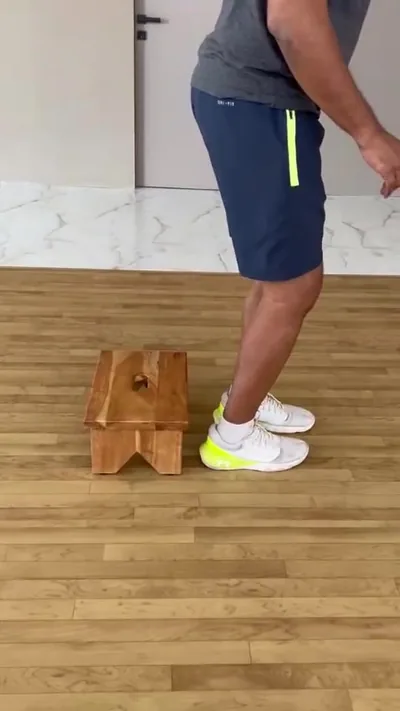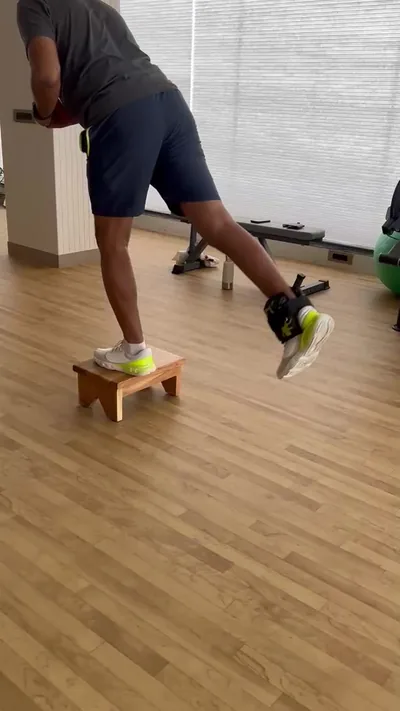
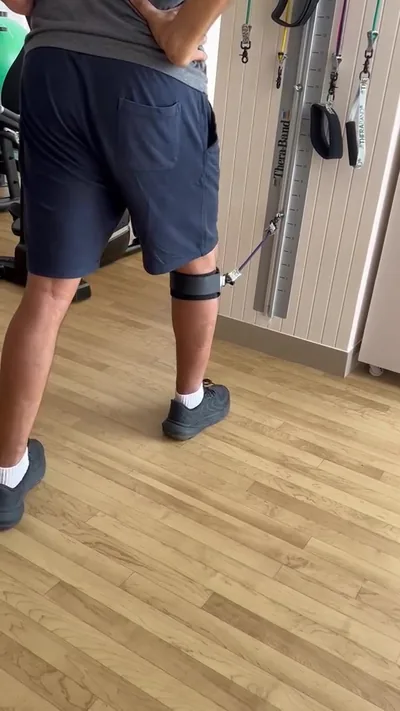
Backward Walking in ACL Rehab Phase 2
Backward walking helps athletes recover from ACL injuries. It builds knee stability in Phase 2 of rehab. This exercise targets quadriceps and improves control after surgery…
Read article

The short answer
The first week after ACL surgery focuses on rest, ice, compression, elevation, gentle quad sets, heel slides, straight-leg raises and ankle pumps to control swelling, protect the graft and prevent stiffness. Early physiotherapy provides professional guidance, correct technique and treatments like TECAR Therapy to aid progress. This sets the foundation for recovery under expert supervision.
The first seven days after ACL reconstruction set the foundation for the entire recovery. Early actions control swelling, protect the graft, and help reduce stiffness. For young athletes in Jaipur this period decides how quickly and safely they return to sport.
Post-Surgery Rehab Treatment focuses on safe movement, muscle activation and pain management after ACL reconstruction. A structured plan under professional guidance avoids setbacks and prepares the knee for later strengthening.
Following the right ACL rehab timeline from day one gives the best chance of smooth progress. Young athletes should not guess their way through this phase.
Most patients are discharged from hospital within 24 to 48 hours. The surgeon’s advice usually includes the RICE method: rest, ice, compression and elevation. A compression bandage helps limit Post-Surgery & Joint Replacement Rehab.
Keep the operated leg elevated above heart level when sitting or lying down. This reduces swelling after ACL surgery. Apply ice packs for 15 to 20 minutes every two to three hours while awake.
Gentle quad activation begins on day one. Quad sets after ACL surgery are simple: tighten the front thigh muscle while the leg is straight and hold for five seconds. Repeat ten times every waking hour. These exercises wake up the quadriceps without stressing the new ligament.
By day two most patients begin small knee bends. Heel slides are the safest early movement. Lie on your back, slide the heel of the operated leg toward your body to bend the knee a little, then straighten again. Do not force the bend.
Early mobilisation after ACL surgery usually starts with crutches after knee surgery. Your weight-bearing status depends on the surgeon’s instructions. Many patients are allowed to put as much weight as comfortable while keeping the knee locked straight when walking.
Practice walking with crutches on flat ground. Keep the operated knee extended when stepping forward. This protects the graft and helps reduce swelling. Aim for short walks several times a day rather than one long walk.
A simple daily routine helps build confidence. Continue quad sets and heel slides. Add straight-leg raises: tighten the thigh, lift the straight leg a few inches off the bed and hold for three seconds. Ankle pumps, moving the foot up and down, improve blood flow and reduce swelling.
Seated knee extensions can be added if pain allows. Sit on a chair with the foot on a low stool and gently straighten the knee. Monitor swelling each morning. If the knee feels tighter or hotter than the previous day, increase elevation and reduce exercises.
Many athletes benefit from hands-on treatment in this phase. Techniques such as manual therapy, advanced electrotherapy or Class IV High Power Laser Therapy at a sports physiotherapy clinic can speed pain relief and swelling reduction.
Some swelling is expected after ACL reconstruction. Mild to moderate swelling that improves with elevation and ice is normal. Excessive swelling that does not reduce, increasing pain despite medication, redness, warmth or fever may signal infection or other problems.
Contact your surgeon immediately if you notice these signs. For normal aches, follow the pain management after ACL reconstruction plan given by your physiotherapist. Home visits or online consultation can provide guidance without travel in the early days. Return to Running after ACL Surgery.
An early follow-up at a sports physiotherapy clinic in Jaipur helps catch small issues before they grow. Clinics such as Trivayu Physio Center in Vaishali Nagar offer assessment of knee movement and swelling.
Professional guidance in the first week goes beyond home exercises. A physiotherapist checks that movements are performed correctly, adjusts the ACL rehab timeline to your progress and uses specific equipment when needed.
At Trivayu Physio Center our team uses TECAR Therapy, Robotic Spinal Decompression Therapy where appropriate, Dry Needling and Myofascial Release to reduce pain and improve early knee range. These sessions prepare the knee for the progressive strengthening that follows.
Personalised exercise progression helps reduce compensation patterns that young athletes often develop. Early input from experienced staff such as Dr. Jyoti Choudhary, who has worked with Rajasthan Senior Women’s Cricket Team, gives athletes the confidence that their recovery is on track.
Mild to moderate swelling that gradually reduces with rest, ice and elevation is normal. Swelling that worsens daily, feels hot or is accompanied by redness needs medical attention.
Most patients need crutches for one to three weeks. The exact time depends on pain, swelling and the surgeon’s weight-bearing instructions. A physiotherapist will assess when it is safe to walk without support.
Quad sets, ankle pumps, heel slides and straight-leg raises are the main exercises. Perform them several times daily as comfort allows. Never push into pain.
Use the RICE method, take prescribed medication, keep the leg elevated and do gentle muscle activation exercises. Compression bandages help but should not be too tight.
Yes. Early physiotherapy teaches correct technique, controls swelling faster and helps reduce stiffness. It also provides reassurance and early detection of problems.
The first week after ACL surgery physiotherapy is about protection, gentle activation and swelling control. Follow your surgeon’s advice, stay consistent with the simple exercises and seek professional help early. Young athletes who start well in Jaipur usually progress faster in the weeks that follow.
Book an assessment with our team at Trivayu Physio Center. Call +91 90570 65065 or message on WhatsApp to arrange a session in Vaishali Nagar or Vidyadhar Nagar.
Physiotherapy is not the right first step for everything. Seek medical assessment promptly if any of the following apply to you:
If you lose control of your bladder or bowels, develop numbness around the groin, or have chest pain or breathlessness, treat it as an emergency and go to hospital.
Backward walking helps athletes recover from ACL injuries. It builds knee stability in Phase 2 of rehab. This exercise targets quadriceps and improves control after surgery…
Read articleAfter ACL surgery, rebuilding knee strength takes time and care. ACL rehabilitation phases guide this process step by step. Phase 1 protects the graft and cuts…
Read articleAfter hip replacement surgery, dressing your lower body safely helps build independence. By week 6 of hip replacement recovery, many patients aim to dress without help.…
Read articleMessage us on WhatsApp with your main concern and preferred time, and we'll confirm your first visit the same day.