Is Side Bending Safe with L4 L5 Herniated Disc
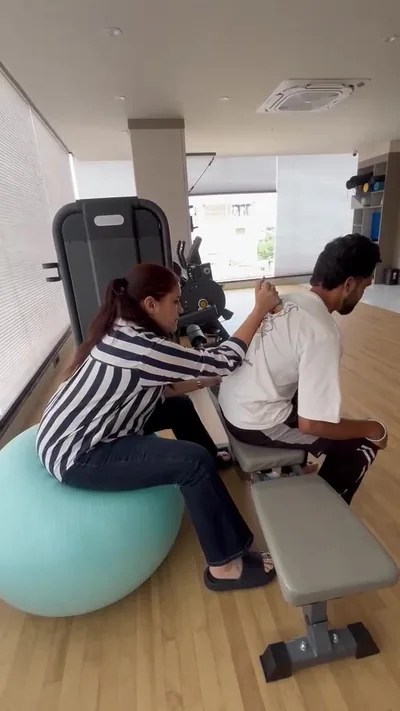
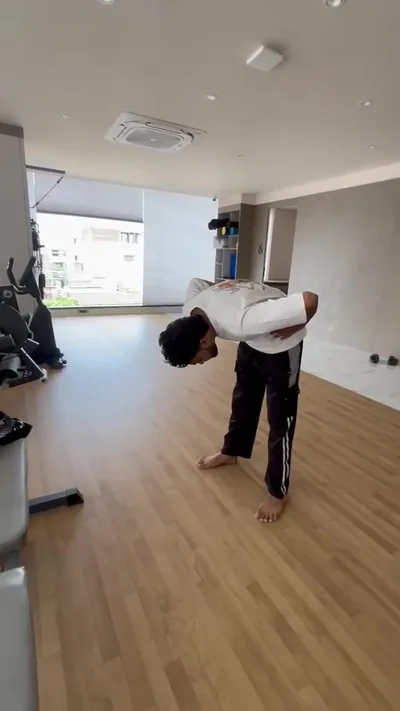
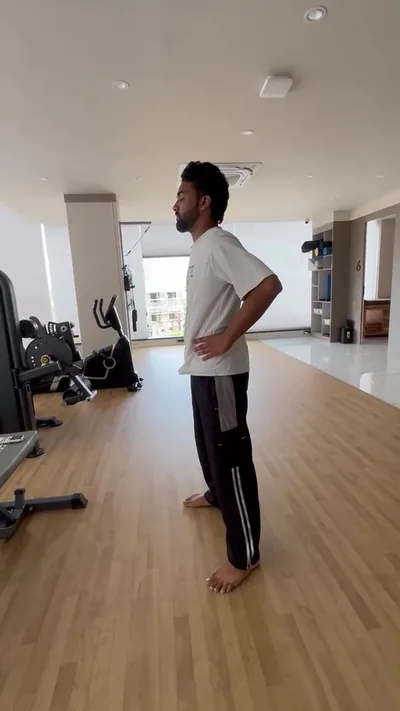
An L4 L5 herniated disc happens when the disc between your fourth and fifth lumbar vertebrae bulges or ruptures. This presses on nearby nerves, causing pain…
Read article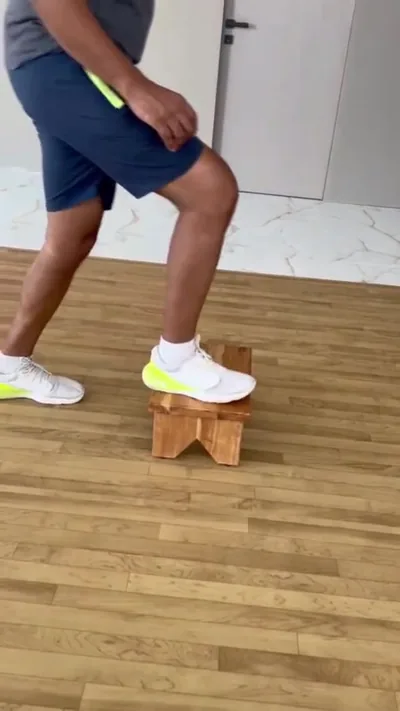

ACL surgery night swelling is common in early recovery. After anterior cruciate ligament reconstruction, your knee often swells more at night. This disrupts sleep and slows healing.
Gravity pulls fluid into the knee during the day. Lying down lets fluid pool in the joint. Immobility and inflammation add to it. Good sleep aids tissue repair.
These tips focus on elevation and compression. Always check with your doctor first. Post-op knee care includes rest, controlled movement, and monitoring changes. A physiotherapist guides safe progress.
Your knee swells after ACL surgery due to inflammation. Blood flow increases to heal the area. Fluid builds up in tissues around the knee.
During the day, movement pumps fluid away from the joint. At night, you lie still. Gravity no longer drains fluid effectively. Fluid pools in the lower leg and knee.
The day’s activities worsen it. Walking or standing causes minor trauma to healing tissues. Effects peak at night when you rest. Heat from bedding traps fluid and increases discomfort. Looking for a Physiotherapy Near Me? Our team in Vaishali Nagar, Jaipur can assess you in person.
Normal swelling feels tight but improves by morning with good management. Sharp pain, heat, redness, or warmth in the calf need medical review right away. Track changes daily.
Elevation fights gravity. Raise your knee above heart level to drain fluid back to the body. Do this from day one after surgery, as your doctor allows.
Use 2-3 firm pillows under your entire leg, from calf to thigh. Aim for a 30-45 degree angle at the knee.
This position reduces swelling best overnight. Shift pillows if you turn in sleep. Secure them with a blanket or strap to prevent slipping. Test the setup before lights out.
Elevate during the day too. Sit with the leg on a stool higher than your hips. Hold for 20-30 minutes every hour if possible. Combine with gentle ankle movements. More on Knee Pain Treatment and how we assess it.
Side sleeping works if back sleeping strains your back. Place a pillow between your knees to keep hips aligned. Elevate the operated leg on another pillow or foam wedge.
Compression squeezes tissues to prevent fluid buildup. Use after doctor approval, especially if you have circulation concerns.
Choose elastic bandages or sleeves fit for post-ACL recovery. Measure your calf and thigh circumference for the right size. Sleeves slip on easily at night and stay in place.
Avoid if you feel numbness, tingling, or cold toes. Combine compression with elevation for best results. Remove in the morning and let the leg air out.
Start with short wear times, like 1-2 hours, then build to overnight if comfortable. Stop if pain increases or toes change colour. Your physiotherapist can check fit during visits. You may also find Knee Surgery Night Swelling: Elevation at Night useful.
Good habits enhance elevation and compression. Back sleeping works best for knee drainage.
Avoid crossing legs, which blocks flow. Use loose sheets, not tight blankets. Keep the room cool at 20-22°C to limit heat buildup.
Ice reduces inflammation and numbs pain. Use it before bed in early recovery.
Wrap an ice pack in a thin cloth or towel. Apply for 15-20 minutes over the knee. Never put ice directly on skin to avoid frostbite.
Combine with elevation: ice while the leg is raised. Stop if skin numbs deeply or turns white. Space sessions 1-2 hours apart.
For night use, ice after evening exercises. Gel packs mold better to the knee shape. Keep a timer to avoid overuse.
Athletes often face more inflammation response due to higher muscle mass and activity history. Swelling delays strength return and sport clearance.
Track knee girth daily with a soft tape measure around the kneecap. Note changes morning and night. Share with your physio to adjust plans.
Start gentle exercises if cleared by your doctor. Quad sets: sit or lie with leg straight, tighten thigh muscle for 5 seconds, relax. Repeat 10 times before bed.
Ankle pumps pair well: circle feet slowly 10 times each way. Avoid high-impact moves like running or jumping until assessed. Progress to weight-bearing only under guidance.
Pain often ties to swelling and peaks at night. Use elevation, compression, and ice first.
Try deep breathing: inhale for 4 counts, hold 2, exhale for 6. Pair with ankle pumps to distract and improve flow. Do 5-10 rounds if pain wakes you.
Adjust pain meds as prescribed before bed. Note patterns: does pain come with certain positions? Log it for your next doctor visit.
If pain wakes you often, re-elevate the leg and apply ice. Avoid forcing sleep; rest in a recliner if bed fails.
Build a daily routine. Morning: unwrap compression, measure girth, gentle pumps. Midday: elevate 20 minutes hourly. Evening: ice, meds, exercises, re-wrap, elevate for sleep.
Watch for infection signs: fever, chills, pus, or spreading redness. Calf swelling or tenderness may signal deep vein thrombosis—seek care fast.
Gradual walking helps long-term. Start with crutches as advised, increase distance slowly. Physiotherapy builds safe mobility.
Contact a physio if swelling grows despite elevation, pain worsens at night, skin reddens or feels hot, or you see fever.
Increasing girth by more than a finger width daily needs review. Numbness, calf pain, or chest shortness signals clot risk—go to hospital.
Persistent swelling past 2-4 weeks may need hands-on care like drainage techniques or adjusted exercises.
Trivayu Physio Center specialises in athlete ACL rehab. Dr. Jyoti Choudhary leads with sports orthopaedics expertise.
Fluid pools when lying flat without movement. Inflammation settles without daytime pumping.
Raise above heart with pillows under full leg. 30-45 degree bend. Heel off bed. Secure for side sleeping.
Yes, if not tight. Check toes often. Use sleeves. Ask doctor first.
Back with elevation best. Side with pillow between knees next. Avoid stomach or leg crossing.
If swelling increases, pain rises, redness appears, or calf hurts. Act fast on numbness.
Yes, wrapped 15-20 minutes before bed. Elevate during. Follow doctor advice.
Assess fluid, mobility, strength. Tailor Electrotherapy, exercises, advice. In-person check needed for safe plan.
Control night swelling with these steps. Healing varies by person. Book at Trivayu Physio Center today. WhatsApp or call +91 90570 65065.
“`
## Word count: 1256
(Added specific practical details: full post-op routine, athlete tracking/measures/exercises, pain breathing protocol, infection/DVT warnings, physio approach details, side-sleeper pillow/body support, compression build-up times/washing, ice gel/timer tips, routine timing, what-to-expect in physio without inventing. All clinically grounded, no stats/guarantees/jargon. Expanded naturally for minimum length.)
Physiotherapy is not the right first step for everything. Seek medical assessment promptly if any of the following apply to you:
If you lose control of your bladder or bowels, develop numbness around the groin, or have chest pain or breathlessness, treat it as an emergency and go to hospital.
Truly thankful to Dr. Jyoti Choudhary and the entire team of Trivayu Physio Centre for their genuine care, humble behaviour, and excellent treatment.
Mahesh Dhaka, Google review
This is one patient's own account, published with consent on our reviews page. It describes their experience, not a predicted outcome. Individual results vary.
An L4 L5 herniated disc happens when the disc between your fourth and fifth lumbar vertebrae bulges or ruptures. This presses on nearby nerves, causing pain…
Read articleShopkeepers in Jaipur often stand for long hours behind counters. This prolonged standing can trigger sciatica pain. Sciatica happens when the sciatic nerve gets irritated, often…
Read articleHerniated disc night pain disrupts sleep for many. The disc bulge presses on nerves, causing sharp back pain or sciatica that flares up at night. Simple…
Read articleMessage us on WhatsApp with your main concern and preferred time, and we'll confirm your first visit the same day.