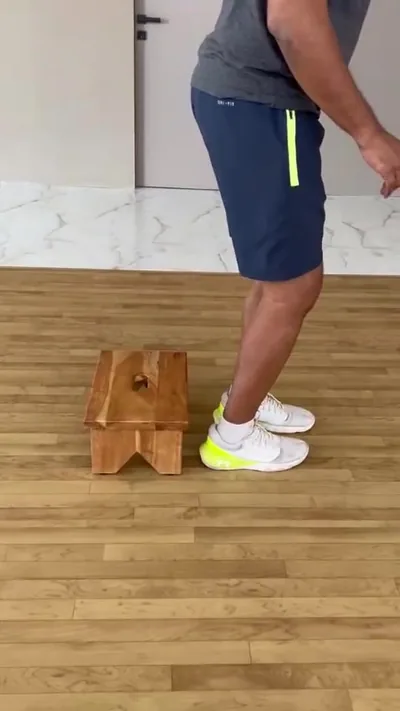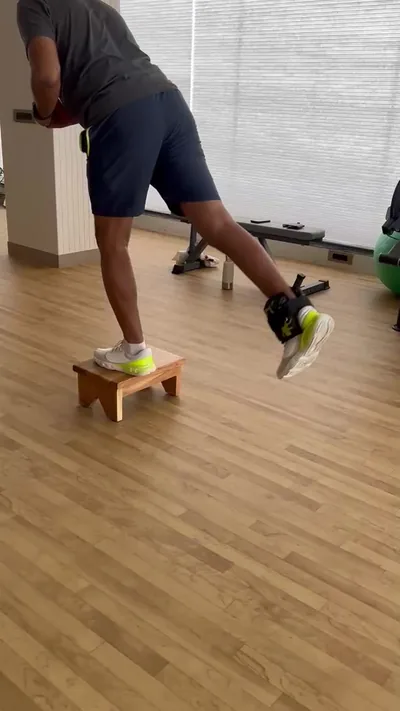
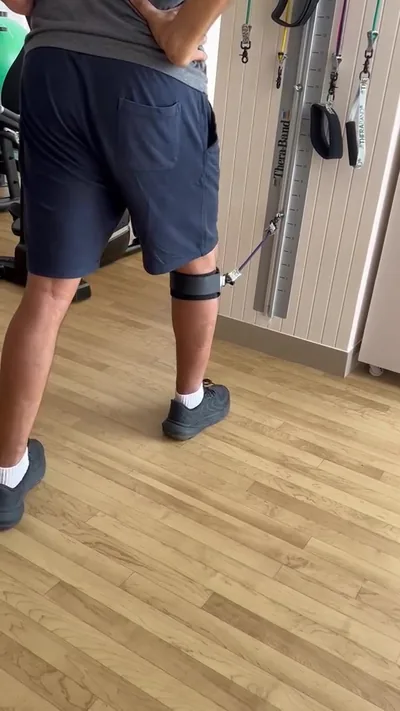
Backward Walking in ACL Rehab Phase 2
Backward walking helps athletes recover from ACL injuries. It builds knee stability in Phase 2 of rehab. This exercise targets quadriceps and improves control after surgery…
Read article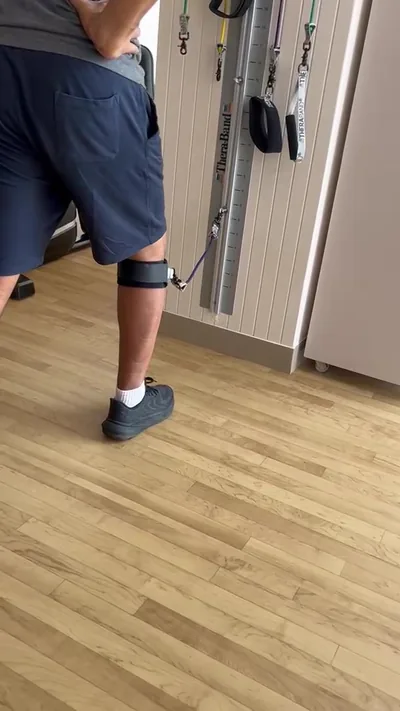

After knee surgery, swelling often worsens at night. This disrupts sleep. Elevation drains fluid. Compression adds support. Together, they ease night swelling.
These steps fit post-op knee care. Check with your doctor first. See a physiotherapist for personalised advice. Recovery varies. In-person assessment spots issues early.
Trivayu Physio Center in Vaishali Nagar and Vidyadhar Nagar offers help. The team guides on swelling reduction techniques. Start simple changes tonight.
Swelling rises at night due to fluid buildup. Daytime gravity and movement pull fluid down. Lying flat lets fluid pool in the knee. Less night movement releases more fluid from tissues.
Jaipur’s heat widens blood vessels, increasing fluid leakage. This causes pain that disrupts sleep. Surgery fluid gathers without walking’s muscle pump.
A physiotherapist explains this in post-op care. They check your response. Better control aids restful nights and healing. Less swelling eases morning pain and tasks.
Elevation uses gravity against swelling. Raise leg above heart level. Fluid drains through veins. Aim for this position as much as comfort allows during sleep hours.
Use 2-3 firm pillows under calf. Keep knee straight. Avoid pillows under knee joint to prevent bending strain. This setup reduces pressure on the joint while promoting drainage.
Lie on back with arms at sides. Support from foot to mid-calf.
Secure pillows with tucked sheet to stop slipping. Practice daytime to build habit. If pillows shift, try a foam wedge designed for elevation.
Compression applies gentle pressure. It limits fluid spread and supports tissues. Use doctor-prescribed bandages or sleeves. Choose breathable for heat. Sleeves slip on easily; bandages offer adjustable fit.
Start below knee, wrap upward to thigh. Overlap half bandage width. Not too tight—toes warm and pink. Two fingers slide under. Apply even pressure without creases that pinch skin. Looking for a Physiotherapist in Jaipur? Our team in Vaishali Nagar, Jaipur can assess you in person.
In rehab, a physiotherapist shows wrapping technique. They ensure it matches your bandage tolerance. Watch for irritation like blisters. Stop if pain increases. Re-wrap after morning shower to start fresh.
Pair both for best results. Follow this before bed routine step by step.
Monitor skin for redness, coolness, tightness hourly at first. Aids sleep with less tossing from ache. Use wedge pillow if available for stable height. Keep room cool with fan.
Daytime ankle pumps: point and flex foot 10-20 times hourly. Activates calf muscles like a pump. Sit with leg elevated during pumps. Avoid crossing legs, which blocks veins.
Elevate daytime: leg on stool above hips during meals or rest. Limit standing to short bursts. Walk with crutches as advised, pausing to elevate.
Ice pack knee: wrap in thin cloth or towel, apply 10-15 minutes before bed and every 2 hours if awake. Never direct on skin to avoid frostbite.
Sleep on back with elevation as main position. Side sleeping: place firm pillow between knees to align hips and prevent twist. Avoid stomach sleeping, which hyperextends the knee.
Physiotherapists integrate these into daily plans. They check if pumps cause pain and modify reps.
Elevate leg 4-6 hours if possible, building from shorter sessions if stiff. Position allows gentle circulation without strain. Ice pack at night: 10-15 minutes on, 30 minutes off, always over wrap or cloth. More on Knee Pain Treatment and how we assess it.
Track swelling daily with tape measure around knee widest point. Note changes for your physiotherapist visit. They add safe exercises like straight leg raises when swelling drops.
For ice pack knee night use, prepare packs in freezer ahead. Use gel packs that mould to shape. Alternate with warm cloth if doctor allows, but ice first for acute swelling.
Best sleep position knee surgery: back lying with knee elevation. Keeps joint neutral and drains fluid overnight. Use body pillow along side for stability if you shift.
Side position: unaffected side down, pillow between knees, top leg slightly forward. Elevate upper leg on extra pillow if possible. This reduces torque on operated knee ligaments.
Avoid stomach position entirely post-surgery. Twists knee and strains incisions. If you wake twisted, roll back slowly using arms. Physiotherapists assess your bed setup during visits and suggest position aids like knee pillows. You may also find Knee Surgery Swelling Home Elevation Timing useful.
Nighttime routine: elevate 30 minutes pre-bed, ice last, then compress and position. This sequence maximises drainage before full sleep.
Wear loose cotton pyjamas over knee to wick sweat. Stay hydrated with plain water, sipping through night if dry mouth wakes you. Limit salt intake—skip pickles, fried snacks, namkeen to reduce fluid retention.
Avoid alcohol, which dilates vessels. Elevate leg during TV watching or reading in bed. Set timer for ice sessions. Use nightlight for toe checks without full lights.
Seek help if swelling doubles suddenly, fever above 38°C, calf pain with redness or warmth. These signal possible clot or infection. Visit doctor or Trivayu Physio Center Vaishali Nagar immediately.
Physiotherapist assesses gait, strength, and swelling response in clinic. They spot subtle issues like uneven pump strength.
Trivayu supports post-op knee care fully. Electrotherapy improves fluid movement through targeted currents. Dr. Hritika Choudhary leads rehab plans. Orthopaedic Rehabilitation builds strength step by step.
Dr. Jyoti Choudhary designs custom routines. Locations: Vaishali Nagar, Om Tower, Gandhi Path Road; Vidyadhar Nagar, Rangoli Gardens. Open Mon-Sat 8 am-8 pm, Sun 10 am-1 pm.
Book in-person assessments for hands-on checks. Home visits cover setup demos. Online consults review photos of elevation. Contact +91 90570 65065 or WhatsApp.
Physiotherapists there guide compression fitting, elevation tweaks, and ice timing based on your surgery notes. They monitor progress weekly if needed.
Lie on back. 2-3 firm pillows under calf above heart level. Keep knee straight. Secure with sheets. Heels off bed.
Yes if doctor-approved. Snug fit, not tight. Check toes colour and warmth every few hours. Remove if numb or discoloured.
Gravity shifts when lying down. Fluid pools without daytime muscle action. Heat widens vessels, adding leakage.
Yes, wrapped in cloth, 10-15 minutes before sleep. Pair with elevation. Avoid direct skin contact or numbness.
Sudden increase, redness, severe pain, numbness, fever, calf tenderness or warmth. Contact doctor right away.
Lessens over weeks with consistent care. Varies by surgery type, follow-up, and personal factors. Physiotherapist tracks changes.
Back with elevation best. Side with pillow between knees next. Avoid stomach to prevent knee twist.
Yes, above heart on stool or chair during rest. Combine with ankle pumps for better drain.
Control night swelling now for better rest and recovery. Book at Trivayu Physio Center. WhatsApp or call +91 90570 65065. Start elevation tonight.
Physiotherapy is not the right first step for everything. Seek medical assessment promptly if any of the following apply to you:
If you lose control of your bladder or bowels, develop numbness around the groin, or have chest pain or breathlessness, treat it as an emergency and go to hospital.
Truly thankful to Dr. Jyoti Choudhary and the entire team of Trivayu Physio Centre for their genuine care, humble behaviour, and excellent treatment.
Mahesh Dhaka, Google review
This is one patient's own account, published with consent on our reviews page. It describes their experience, not a predicted outcome. Individual results vary.
Backward walking helps athletes recover from ACL injuries. It builds knee stability in Phase 2 of rehab. This exercise targets quadriceps and improves control after surgery…
Read articleAfter ACL surgery, rebuilding knee strength takes time and care. ACL rehabilitation phases guide this process step by step. Phase 1 protects the graft and cuts…
Read articleAfter hip replacement surgery, dressing your lower body safely helps build independence. By week 6 of hip replacement recovery, many patients aim to dress without help.…
Read articleMessage us on WhatsApp with your main concern and preferred time, and we'll confirm your first visit the same day.