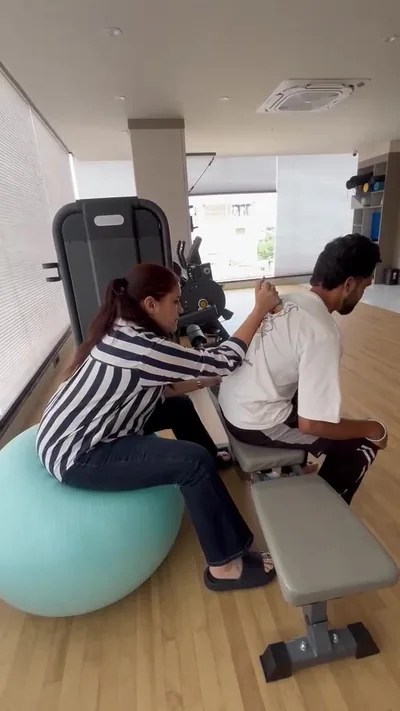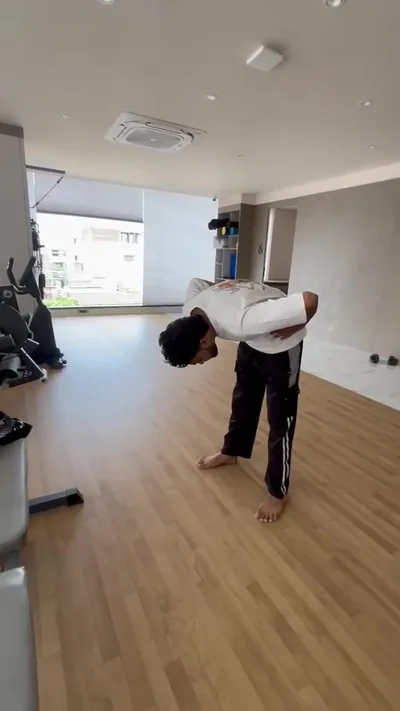
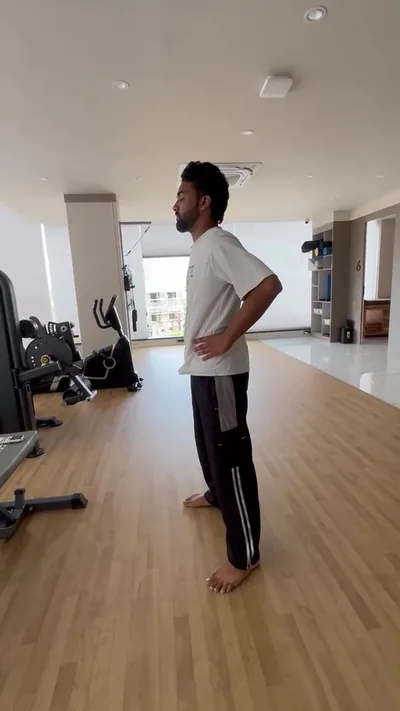
Is Side Bending Safe with L4 L5 Herniated Disc
An L4 L5 herniated disc happens when the disc between your fourth and fifth lumbar vertebrae bulges or ruptures. This presses on nearby nerves, causing pain…
Read article
After ACL reconstruction, rebuilding knee strength and stability is key for athletes. The single leg squat is a core exercise in rehab. It targets quadriceps, hamstrings, glutes and core muscles around the knee, aiding safe sports return. Proper form prevents graft strain while building control.
Phase 2 of ACL rehab focuses on controlled strengthening. ACL single leg squat drills improve balance and knee control. These home exercises follow clinic guidance and basic strength from earlier phases. A physiotherapist checks readiness through in-person tests like single-leg stance duration and squat depth without wobble.
Trivayu Physio Center in Vaishali Nagar, Jaipur, supports athletes through sports injury rehab. Get physiotherapist approval before starting drills to match your recovery stage. They assess graft stability, muscle symmetry and movement patterns before clearance.
The single leg squat aids ACL recovery. It mimics movements like running or jumping, training the knee for single-leg loads. This builds stability essential for athletes returning to football, cricket or running.
In phase 2 ACL rehab, progress from basic moves to this drill after early healing, pain-free walking and double-leg squats. The goal is knee strengthening while protecting the graft. Physiotherapists watch for knee valgus and correct with cues like “push knee out.” Looking for a Physiotherapy Near Me? Our team in Vaishali Nagar, Jaipur can assess you in person.
Athletes benefit as it restores power and control. Poor form risks re-injury, so perfect it under supervision first. Clinic assessment ensures readiness for home drills. They may use taping or bracing in early trials.
Start after pain-free walking and double-leg squats. Prerequisites: full knee range, no swelling. Physiotherapist clears you after testing balance on foam or single-leg hops in place.
Progress from supported to full single leg squats. Begin with wall or chair support. Do 2-3 sets of 8-10 reps per leg, 3 times a week. Rest one leg while working the other. More on Sciatica Treatment and how we assess it.
Encourage in-person assessment at clinic before home practice to confirm safe starting point and spot imbalances.
Follow these steps for proper form. Physiotherapist demonstrates hands-on, adjusting posture.
Form tips: Chest up, back straight. Use mirror or video. Breathe out on rise, in on lower. If knee drifts in, use knee band and push out.
Common errors: knee valgus, forward lean, uneven weight to toes. Fix by slowing down, reducing depth. Stop if pain beyond mild discomfort. Physiotherapists teach cues like “heel down, knee out.”
Advance when doing 3 sets of 12 reps with perfect form on both legs. Add depth, speed, or 3-second bottom hold. Try without support or on pillow.
Stop if sharp knee pain, new swelling or buckling. Regress to double-leg. Rest 48 hours between sessions.
Combine with clinic Electrotherapy for pain relief and Manual Therapy for hip or calf tightness. Track reps, depth and wobble weekly. Physiotherapist reviews log.
Rest, ice, elevate if sore. Use compression sleeve. Eat protein-rich foods like dal, paneer, eggs. Sleep 8 hours for healing.
Single leg squats are one part of knee strengthening after surgery. Pair with bridges, step-ups and calf raises. Physiotherapist designs full circuit.
In sports injury rehab at Jaipur clinics like Trivayu, use progressive loading from bodyweight to dumbbells. Monitor with goniometer for knee angle and tape for leg symmetry. You may also find ACL Rehab Squats Phase 2 for Athletes useful.
Knee stability training includes side planks, single-leg balances on uneven surfaces and resisted side steps. These counter rotation forces in sports.
Physiotherapists use Orthopaedic Rehabilitation protocols tailored to your sport. Add lunges for runners, box jumps for jumpers. Progress based on test re-tests like hop distance.
Monday: Single leg squats 3×10, bridges 3×12, warm-up walk.
Wednesday: Step-ups 3×8, calf raises 3×15, balance holds 30 seconds.
Friday: Single leg squats with hold 3×8, side planks 3×20 seconds.
Adjust based on clinic feedback. Do extra sets on lagging leg.
Visit for in-person checks by Jaipur physios expert in sports injury rehab. Team includes Dr. Jyoti Choudhary (17+ years in sports and orthopaedics) for gait and strength tests. Dr. Hritika Choudhary handles advanced electrotherapy and post-op rehab. Come for issues or clearance. Locations: Vaishali Nagar and Vidyadhar Nagar.
Phase 2 focuses on strengthening after initial healing. Includes knee stability training like partial single leg squats, balance work and light cardio. Starts when walking without limp, cleared by checks.
Stand on one leg, lower hips by bending knee, keep alignment over toes. Rise through heel. Start shallow with support. Video against clinic demo.
After pain-free walk, full knee motion and double-leg squat mastery. Usually phase 2, cleared after balance tests.
Yes, with clinic approval. Follow guided progressions. In-person assessment ensures safety.
Stop immediately. Note pain type and location. Book clinic visit for assessment.
Clinic offers hands-on corrections, precise equipment and monitoring to prevent setbacks.
Consistent ACL single leg squat progression builds strong knees for sports return. Pair home drills with professional oversight.
Book assessment at Trivayu Physio Center today. WhatsApp or call +91 90570 65065 to start.
Physiotherapy is not the right first step for everything. Seek medical assessment promptly if any of the following apply to you:
If you lose control of your bladder or bowels, develop numbness around the groin, or have chest pain or breathlessness, treat it as an emergency and go to hospital.
Truly thankful to Dr. Jyoti Choudhary and the entire team of Trivayu Physio Centre for their genuine care, humble behaviour, and excellent treatment.
Mahesh Dhaka, Google review
This is one patient's own account, published with consent on our reviews page. It describes their experience, not a predicted outcome. Individual results vary.
An L4 L5 herniated disc happens when the disc between your fourth and fifth lumbar vertebrae bulges or ruptures. This presses on nearby nerves, causing pain…
Read articleShopkeepers in Jaipur often stand for long hours behind counters. This prolonged standing can trigger sciatica pain. Sciatica happens when the sciatic nerve gets irritated, often…
Read articleHerniated disc night pain disrupts sleep for many. The disc bulge presses on nerves, causing sharp back pain or sciatica that flares up at night. Simple…
Read articleMessage us on WhatsApp with your main concern and preferred time, and we'll confirm your first visit the same day.