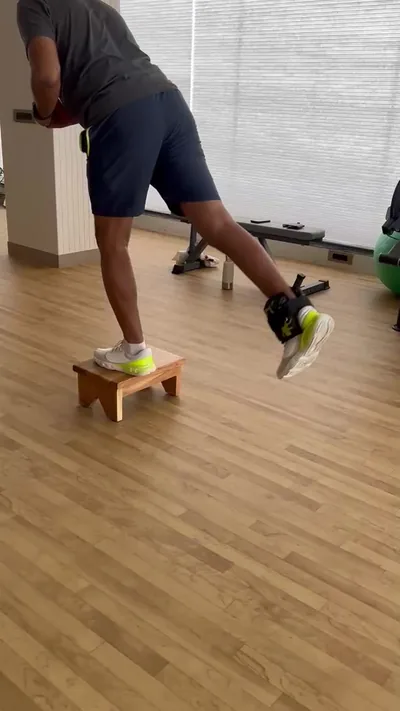
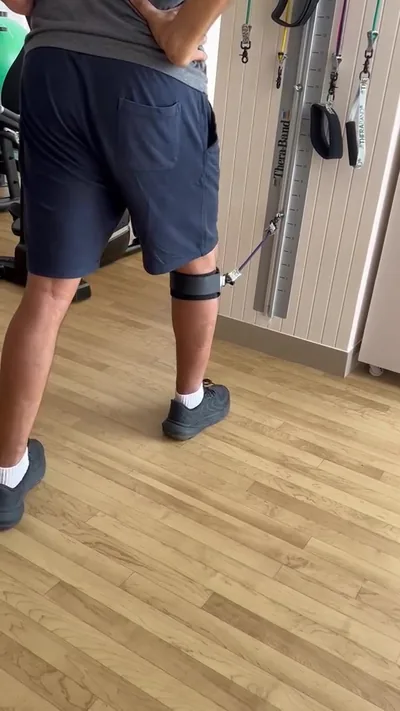
Backward Walking in ACL Rehab Phase 2
Backward walking helps athletes recover from ACL injuries. It builds knee stability in Phase 2 of rehab. This exercise targets quadriceps and improves control after surgery…
Read article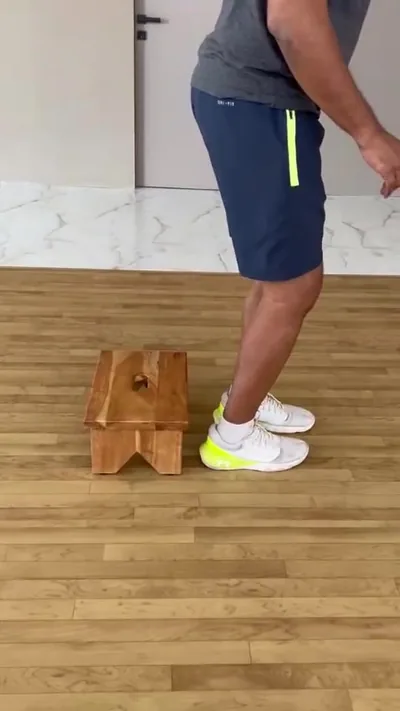
ACL rehab step downs build single leg control after knee surgery. These exercises target knee stability in late recovery. They help prevent valgus collapse, a common issue post-ACL injury.
In phase 3 of ACL rehabilitation, you focus on functional drills like lateral step downs. This trains the knee to handle side loads. Proper form matters to avoid setbacks. Trivayu Physio Center in Vaishali Nagar and Vidyadhar Nagar uses these in sports injury rehab.
Single leg step downs mimic daily moves and sports actions. They improve control for return to activity. Always get an in-person check before starting.
ACL rehab step downs are exercises where you step down from a low box using one leg. The lateral variation adds side movement to challenge knee alignment.
In the lateral step down exercise, you face sideways to the box. This works knee valgus control. Valgus means the knee caves inward, a risk after ACL tear.
These fit ACL rehabilitation phase 3, when basic strength returns. Single leg control matters for knee stability. It prepares you for running or pivoting without re-injury risk.
Orthopaedic physio in Jaipur often includes them for knee injuries. They test and train control under load. The step down test physio uses checks how well your knee holds position during the move. A physio watches for even height between legs and steady knee tracking. Looking for a Physiotherapist in Jaipur? Our team in Vaishali Nagar, Jaipur can assess you in person.
Knee valgus happens when the knee angles inward during movement. Post-ACL injury, this collapse risks further damage to ligaments and cartilage.
Lateral step downs retrain muscles around the knee and hip. They strengthen to hold proper alignment. This aids sports injury rehab and return to activity.
Without control, daily tasks like stairs become hard. In ACL rehab phase 3, these drills build confidence. They link strength to real-life function. Knee control drills like these also improve balance on uneven ground.
Phase 3 comes after early strength work and before full sports return. You work on controlled movements under load. Goals include good single leg control and no pain during function.
Post ACL surgery exercises in this phase start with double leg work, then shift to single leg. Lateral step downs fit here as they challenge side-to-side stability. Expect 3-6 months post-op before these, but timelines vary by person.
A physio assesses readiness with tests like single leg squats. They check hip drop or knee wobble first. Only then add step downs. Sessions build from slow reps to faster ones matching daily pace. Read more about our Orthopaedic Physiotherapy.
Start with a sturdy box 10-15 cm high. Wear stable shoes on a flat surface. Warm up with 5 minutes of walking or bike.
Progress by raising box height or adding speed. Watch for knee tracking over toes. Add a pause at bottom for control.
Common errors: valgus collapse or leaning body. Correct by focusing on hip strength. Film yourself to check form. Stop if pain occurs. If knee caves, step back to double leg step downs.
Pair lateral step downs with single leg control ACL drills. Try single leg stance on foam for balance. Hold 30 seconds, eyes closed for challenge.
Valgus collapse prevention starts with side-lying hip abduction. Lie on side, lift top leg straight. Keep toes forward. Do 10-15 reps, 3 sets.
Progress to resisted side steps with a band around ankles. Walk sideways 10 steps each way. This builds glute medius strength to fight valgus.
In sessions, physios add wall squats with a ball behind knee. Press knee out against band. Hold 10 seconds. These link to step down control.
Our team at Trivayu Physio Center integrates ACL lateral step downs into sports injury rehab. Dr. Jyoti Choudhary, with 17+ years in sports physio, guides phase 3 drills. She starts with form checks using mirrors.
We use exercise therapy and clinical Pilates to support these. Advanced electrotherapy aids pain relief before drills. Manual therapy corrects movement patterns, like hip tilt. You may also find Rotator Cuff Exercises Jaipur Post Injury useful.
Dr. Hritika Choudhary handles post-op rehab, including knee control drills. She teaches cues like “push knee out” during step downs. Sessions at Vaishali Nagar or Vidyadhar Nagar ensure tailored plans.
In a typical visit, expect 45-60 minutes. First 10 minutes assess movement. Then 20 minutes drills with feedback. End with home plan. Book an in-person assessment for safe start. Jaipur clients get twice-weekly sessions for steady gain.
In ACL rehab phase 3, advance step downs when you do 3 sets of 12 reps with perfect form. No pain or wobble. Test with step down test physio: drop from box 20 cm high, check symmetry.
Monitor knee stability. Use pain-free rule and strength balance between legs. Professional supervision prevents overload. Our Jaipur physios track progress closely with repeat tests.
What to expect in progression: Week 1-2, master basic form. Week 3-4, add height. By end of phase, handle speed like walking downstairs.
After mastering step downs, add single leg deadlifts. Stand on test leg, hinge at hip, reach hand to floor. Keep knee soft. Builds hamstring control.
Incorporate box step ups next. Step up sideways, drive through heel. This reverses the down motion for full control.
Physios at Trivayu watch for fatigue signs like form break. They adjust load, maybe drop reps if needed. Home drills use stairs for real practice.
They are single leg exercises stepping down from a box. Lateral ones focus on side control for ACL stability.
They train hip and knee muscles to resist inward collapse. This builds control for functional moves.
After basic strength returns, around 3-6 months post-surgery. Get physio clearance first with a movement screen.
Valgus knee cave, fast drop, or torso lean. Fix with slow tempo and mirror checks. Cue “knee over toes.”
Yes, for safe form and progression. Visit Trivayu in Vaishali Nagar or Vidyadhar Nagar. Orthopaedic physio there tailors to your knee.
They score your control: knee position, hip level, and rep quality. Compares legs for balance.
Stop and tell your physio. Could need earlier phase work or manual therapy first.
Master ACL rehab step downs under guidance to regain knee control. Recovery varies, so personal assessment helps. Focus on form over reps.
Book your assessment at Trivayu Physio Center. WhatsApp +91 90570 65065 or call to start.
Physiotherapy is not the right first step for everything. Seek medical assessment promptly if any of the following apply to you:
If you lose control of your bladder or bowels, develop numbness around the groin, or have chest pain or breathlessness, treat it as an emergency and go to hospital.
Truly thankful to Dr. Jyoti Choudhary and the entire team of Trivayu Physio Centre for their genuine care, humble behaviour, and excellent treatment.
Mahesh Dhaka, Google review
This is one patient's own account, published with consent on our reviews page. It describes their experience, not a predicted outcome. Individual results vary.
Backward walking helps athletes recover from ACL injuries. It builds knee stability in Phase 2 of rehab. This exercise targets quadriceps and improves control after surgery…
Read articleAfter ACL surgery, rebuilding knee strength takes time and care. ACL rehabilitation phases guide this process step by step. Phase 1 protects the graft and cuts…
Read articleAfter hip replacement surgery, dressing your lower body safely helps build independence. By week 6 of hip replacement recovery, many patients aim to dress without help.…
Read articleMessage us on WhatsApp with your main concern and preferred time, and we'll confirm your first visit the same day.