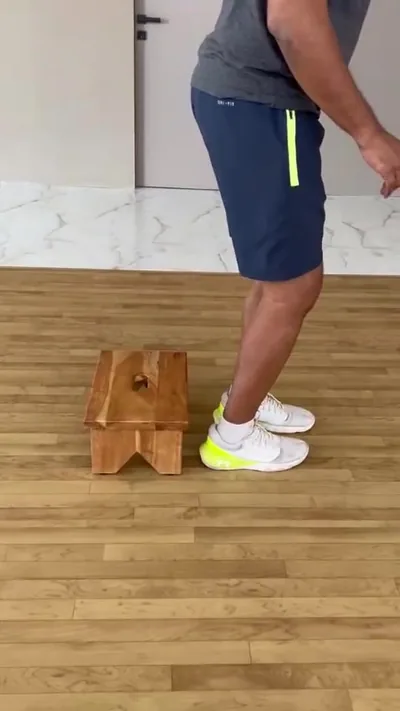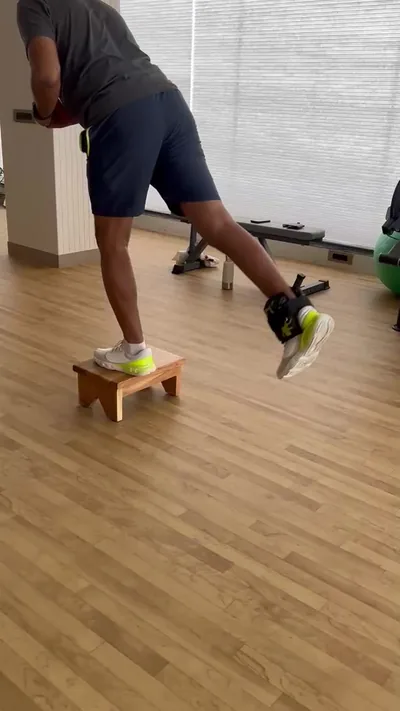
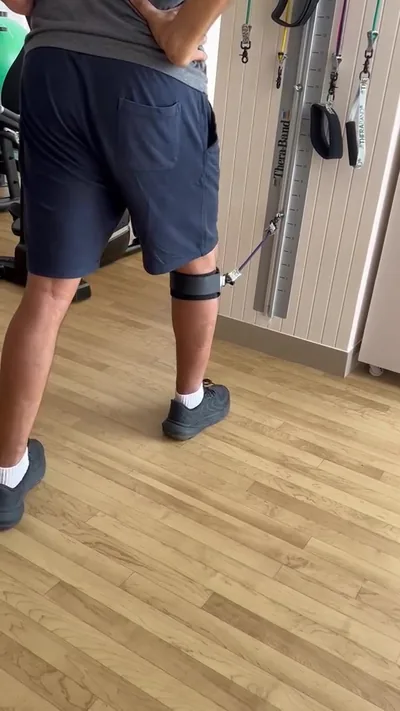
Backward Walking in ACL Rehab Phase 2
Backward walking helps athletes recover from ACL injuries. It builds knee stability in Phase 2 of rehab. This exercise targets quadriceps and improves control after surgery…
Read article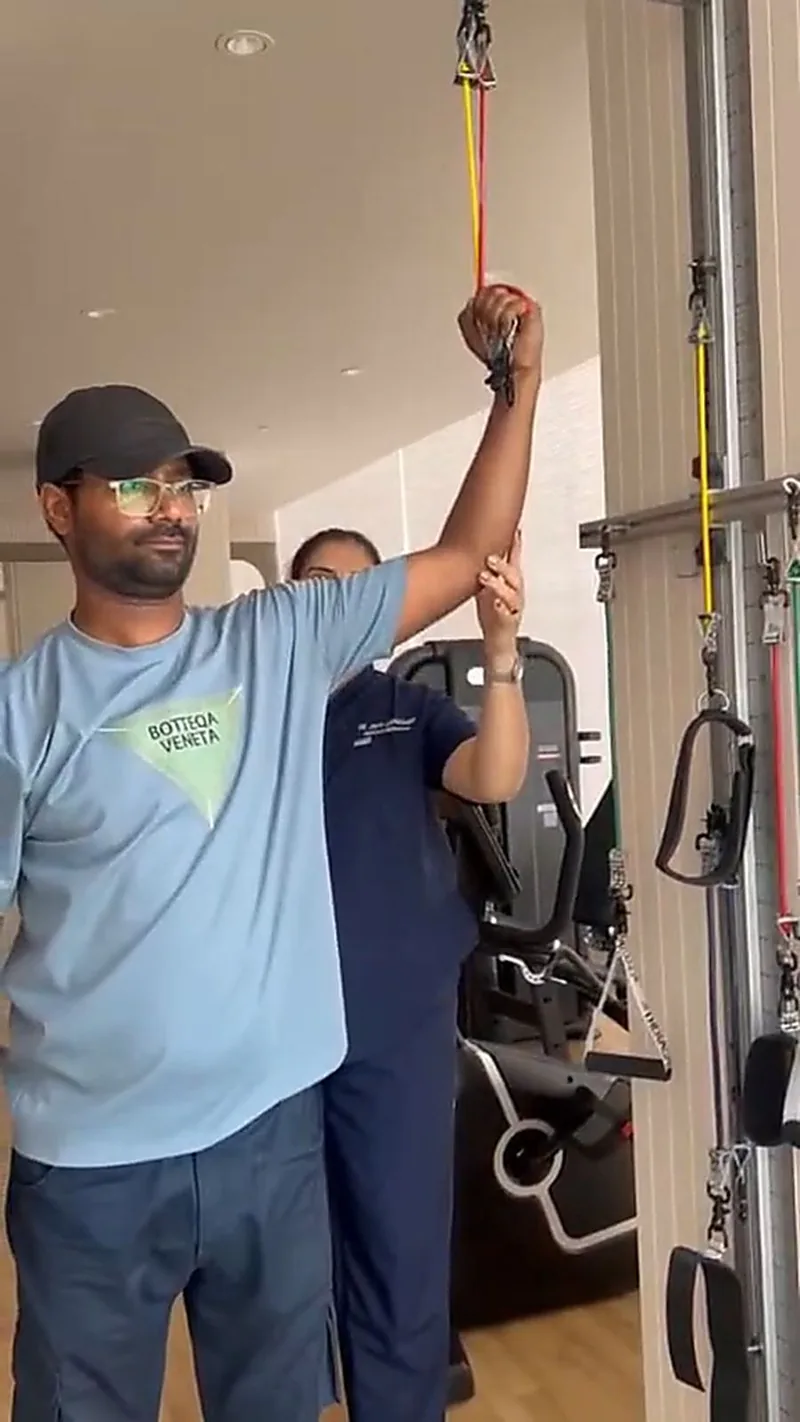
The short answer
Rotator cuff exercises in Jaipur post-injury start after pain eases and with an in-person physio check at centres like Trivayu in Vaishali Nagar or Vidyadhar Nagar. Safe exercises rebuild shoulder strength step by step, progressing from isometric holds and resistance band work to scapular stabilisation and functional moves, guided by experts like Dr. Jyoti Choudhary.
Rotator cuff injuries affect muscles and tendons around the shoulder joint. These hold the arm bone in place. Active adults in Jaipur get them from sports, lifting, or daily tasks. Pain and weakness follow.
Strengthening starts after initial healing. Safe exercises rebuild power step by step. Get an in-person check first. Self-exercises risk more harm without guidance.
Trivayu Physio Center in Vaishali Nagar and Vidyadhar Nagar offers orthopaedic physiotherapy and sports injury rehab. Our team helps with rotator cuff rehab programs tailored to you.
The rotator cuff has four muscles: supraspinatus, infraspinatus, teres minor, and subscapularis. They stabilise the shoulder. Tears or strains happen from sudden pulls or overuse.
A rotator cuff tear splits some or all fibres in these tendons. Partial tears stretch and fray the tissue. Full tears rip through completely. Strains overstretch muscles without tearing. Both cause pain when lifting the arm or reaching behind.
Common causes include cricket throws, gym weights, or carrying loads. Overhead painting or loading market bags adds strain.
See a physio before exercises. We check for tears or other issues. Trivayu provides sports injury rehab and orthopaedic physiotherapy. Dr. Jyoti Choudhary, with 17+ years, treats Rajasthan cricket team shoulders. In-person assessment uses tests like empty can test for supraspinatus or lift-off test for subscapularis. This spots tear patterns and guides rehab. Looking for a Physiotherapy Near Me? Our team in Vaishali Nagar, Jaipur can assess you in person.
Tears bring night pain that wakes you. Pain arcs when lifting the arm between 60 and 120 degrees. Weakness shows when combing hair or putting on a shirt. Clicking or grinding feels inside the joint.
Do not ignore these. A physio assesses range and strength, checking active and passive motion. If the arm lags when pushed, a tear may be present. Book early at Trivayu for shoulder injury recovery in Jaipur. Delays weaken muscles further.
Start when pain eases at rest and you can move the arm without sharp pain. Swelling drops too. For tears, this phase follows rest and pain control.
Do not rush. An in-person assessment rules out tears. Book at Trivayu Physio Center, Vaishali Nagar or Vidyadhar Nagar. Our experts like Dr. Jyoti Choudhary and Dr. Hritika Choudhary guide safe starts. Early checks help reduce setbacks. Read more about our Post-Surgery & Joint Replacement Rehab.
A physio first protects the joint and teaches posture to unload tendons. Then add gentle pendulum swings: lean forward, let arm hang, swing in small circles. This frees the joint without strain.
Begin with basics. Progress as pain allows. Do 2-3 sets of 10 reps, 3 times weekly. Stop if pain rises. A physio watches form to avoid impingement, where tendons pinch under bone.
Press hand into wall at side, front, or back. Hold 5-10 seconds. Builds strength without motion in flexion, extension, abduction, rotation. Rest 10 seconds between holds.
Resistance Band Rows: Hold band at waist height. Pull elbows back, squeeze shoulder blades. Strengthens infraspinatus.
External Rotations: Band in hand, elbow at side bent 90 degrees. Rotate forearm out. Targets infraspinatus and teres minor. Keep elbow tucked.
Internal Rotations: Same setup, rotate forearm in. Hits subscapularis. Use light band tension.
Wall slides: Face wall, place forearms on it, slide arms up overhead while keeping back flat. Strengthens lower traps and serratus anterior.
Prone Y-T-I raises: Lie face down, arms in Y, T, I shapes. Lift arms off table with thumbs up.
Side-lying external rotations: Lie on side, top elbow bent, rotate forearm up with light dumbbell. Full can exercise: thumb up, raise arm to 30 degrees. Side-lying internal rotation too. You may also find Pre ACL surgery exercises Jaipur useful.
Pair with clinic manual therapy or dry needling.
A physio at Trivayu adjusts this program. They measure progress with dynamometer for strength or goniometer for range.
Avoid behind-neck presses or upright rows early. These pinch tendons. Skip heavy overhead lifts until full strength returns. Do not swing weights; control every inch.
Dull ache after exercise is okay if it fades in 24 hours. Sharp pain means stop. Ice 10-15 minutes after if needed. A physio teaches scapular setting: pull shoulder blades down and back before moves.
Class IV high power laser therapy cuts pain and swelling. TECAR therapy supports healing by warming deep tissues.
Electrotherapy like TENS for pain or interferential for deep penetration aids recovery. Dry needling releases trigger points in traps or deltoids. Clinical Pilates builds control with reformer or mat work.
Manual therapy like Mulligan mobilisations improves motion. Myofascial release loosens scapula tissues. Dr. Ishu Sharma specialises in exercise therapy for sports rehab.
Integrate these in rotator cuff rehab. Sessions last 45-60 minutes, starting with assessment, therapy and home exercise demo.
Rotator cuff works with deltoids and scapular muscles. Deltoid raises start at 30 degrees. Serratus punches: push fist forward at chest height, protract scapula.
A physio progresses to sport-specific drills. For cricket, add throwing progressions from wall tosses to light catches. Track with a journal: reps, pain 0-10, motion gained.
Keep good posture. Warm up before activity with 5 minutes dynamic stretches. Strengthen full body: planks for core, rows for back.
For pain management or setbacks, contact Trivayu. Home visits and online consultations available. Open Mon-Sat 8 am-8 pm, Sun 10 am-1 pm. First visit: history, tests, ultrasound if needed, custom plan with home exercises.
Physiotherapy is not the right first step for everything. Seek medical assessment promptly if any of the following apply to you:
If you lose control of your bladder or bowels, develop numbness around the groin, or have chest pain or breathlessness, treat it as an emergency and go to hospital.
Backward walking helps athletes recover from ACL injuries. It builds knee stability in Phase 2 of rehab. This exercise targets quadriceps and improves control after surgery…
Read articleAfter ACL surgery, rebuilding knee strength takes time and care. ACL rehabilitation phases guide this process step by step. Phase 1 protects the graft and cuts…
Read articleAfter hip replacement surgery, dressing your lower body safely helps build independence. By week 6 of hip replacement recovery, many patients aim to dress without help.…
Read articleMessage us on WhatsApp with your main concern and preferred time, and we'll confirm your first visit the same day.