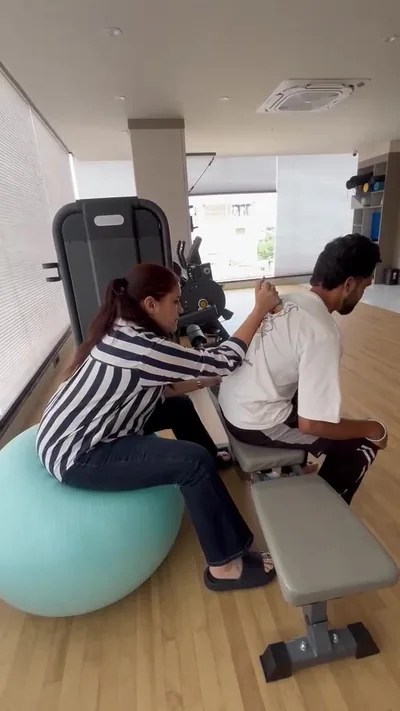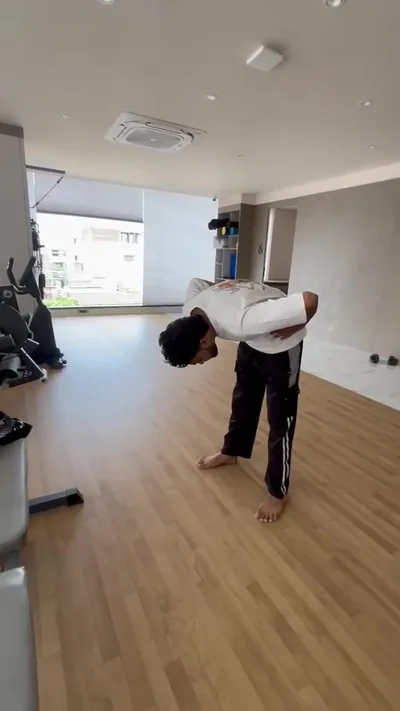
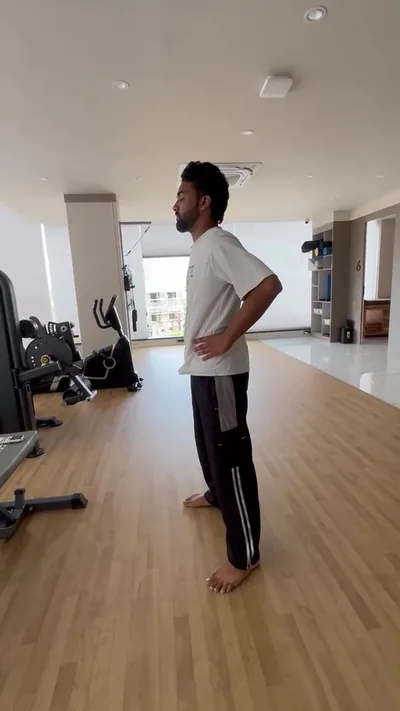
Is Side Bending Safe with L4 L5 Herniated Disc
An L4 L5 herniated disc happens when the disc between your fourth and fifth lumbar vertebrae bulges or ruptures. This presses on nearby nerves, causing pain…
Read article

After ACL injury or surgery, squat progression builds knee strength step by step. Phase 3 focuses on controlling squat depth. This protects your knee while boosting quadriceps and glute power. Athletes need this for safe return to sport.
Earlier phases built basic stability. Now, phase 3 adds controlled depth for better knee ligament injury recovery. Always get an in-person physio check before starting. At Trivayu Physio Center in Vaishali Nagar, Jaipur, we assess readiness first. A physiotherapist examines knee range, strength balance between legs, and any swelling. They test single-leg stability to confirm you handle deeper loads without knee giving way.
Depth control means lowering to a set point without excess. This stage demands focus on form over heavy loads. Proper guidance ensures pain-free squat progression. Expect sessions twice a week, paired with daily home checks on form.
Phase 3 of ACL squat progression comes after you master pain-free partial squats from phase 2. Goals include strength building ACL rehab through deeper ranges. You work on knee stability and post-ACL surgery strength.
Controlled depth trains muscles to support the ACL graft. It prepares athletes for sport demands like quick cuts. Do not rush—progress only with physio approval. A physio might use a goniometer to measure exact knee bend and ensure it matches your healing stage.
See a physiotherapist for assessment. They check graft healing, swelling, and strength. In Jaipur, book at Trivayu Physio Center, Vaishali Nagar or Vidyadhar Nagar. Our team, including Dr. Jyoti Choudhary with sports expertise, tailors plans. She reviews your hop tests and quad strength to clear you for phase 3.
Squat depth ACL rehab protects the healing knee. Going too deep stresses the graft early. Controlled depth builds quad and glute strength safely. It keeps force evenly spread across the joint. Looking for a Rehabilitation Centre Near Me? Our team in Vaishali Nagar, Jaipur can assess you in person.
It improves joint position sense, key for athlete knee rehab. Poor depth leads to valgus collapse, risking re-injury. Focus here links to return-to-sport success. Athletes regain confidence in pivots and landings.
Athletes often push limits. But progressive squat loading prevents setbacks. Start with bodyweight, add 2-5 kg holds only after 2 weeks of stable form. Manual Therapy can help release tight tissues for better control. A physio applies hands-on pressure to hamstrings or calves, easing squat motion.
Start with box squats. Sit back to a box at knee height. This sets exact depth. Stand up using glutes and quads. Pause 2 seconds at bottom to build control. Do 3 sets of 8-10 reps.
Goblet squats follow. Hold a light weight at chest. Lower to parallel thighs, knees tracking toes. These aid quadriceps strengthening squats. Keep elbows inside knees to push them out gently.
Orthopaedic Rehabilitation guides these moves. Add single-leg variations later for balance, like split squats to a box. Stop if knee feels unstable or shifts inward. A physio spots you first, adjusting foot position for even weight.
Build load gradually to match your knee ligament injury recovery. Week 1: Bodyweight box squats only. Week 2: Add goblet hold with 2-4 kg kettlebell. More on Sciatica Treatment and how we assess it.
Track with a notebook: note depth achieved, reps completed, and any knee twinges. A physio reviews this at follow-ups. For post-ACL surgery strength, pair with isometric quad holds—press knee into towel for 10 seconds, 10 reps.
Athletes advance to tempo squats: 5 seconds down, explode up. This mimics sport decelerations. Always test single-leg squat depth first to spot weaknesses.
Use a mirror to watch knee alignment. Cue ‘knees over toes’ or ‘hips back first’. Film yourself side-on for review. Share videos with your physio for tweaks.
Monitor pain—stop if sharp or swelling rises. Warm up with lighter phase 2 squats, 5-10 minutes. Breathe steadily: inhale down, exhale up. Brace core by pulling belly button in.
Integrate into full ACL rehab: pair with hamstring curls using a band and balance drills on foam. At Trivayu, sports injury rehab includes these. Electrotherapy reduces post-session soreness with TENS or ultrasound, easing muscle tightness.
Knee pain or instability hits many in phase 3. Reduce depth immediately and check footwear—flat shoes with good grip work best. Ice knee 15 minutes after if warm. Revisit phase 2 for a week.
Fatigue causes form breakdown. Shorten sessions to 20 minutes or add rest days. Build endurance with stair climbs between squat sets. Tight quads? Foam roll gently before starting. You may also find ACL Rehab Squat Depth in Month 3 useful.
Quad dominance pulls knees forward. Strengthen glutes with bridges first. Long-term recovery needs pro guidance. Our team at Trivayu offers clear explanations for knee ligament injury recovery. Dr. Hritika Choudhary handles advanced rehab, progressing to plyometrics when ready.
Ankle stiffness limits depth. Stretch calves daily: wall leans, 30 seconds each side. Hip pain signals imbalance—add clamshells for side glutes.
For athletes, phase 3 squats rebuild explosive power safely. After mastering depth, add speed: drop to box fast, stand controlled. This trains landing mechanics post-ACL surgery strength.
Sport-specific tweaks matter. Runners use narrow stance; footballers widen for stability. Physio simulates game moves, like squat-to-cut drills. Pain-free squat progression here cuts re-injury risk.
Monitor asymmetry: weaker surgery leg needs extra sets. Balance with Bulgarian split squats, lowering back knee to box height. Progress when both legs match depth and power.
It builds on phase 2 with controlled deeper squats for strength. Focuses on stability and muscle power without pain. Expect 4-8 weeks duration based on progress.
Use boxes or mirrors for limits. Keep knees tracking toes. Progress slowly with physio cues like ‘push hips back’ or ‘squeeze glutes’.
After partial squats are pain-free, often 3-6 months post-surgery. Get physio assessment first—they test quad strength and hop distance.
Jump squats, agility drills, and sport-specific moves like lateral bounds. Always under supervision to match graft strength.
Yes, with proper checks. Clinics like Trivayu Physio Center provide athlete-focused care, including field return protocols.
Start light, add weight slowly after stable form. Physio measures leg differences to guide safe increases.
Quads absorb landing forces. Strong ones protect ACL graft during twists and stops.
Master phase 3 for stronger knees. Consistent work pays off in recovery. Book an assessment at Trivayu Physio Center today. WhatsApp +91 90570 65065 or call.
Physiotherapy is not the right first step for everything. Seek medical assessment promptly if any of the following apply to you:
If you lose control of your bladder or bowels, develop numbness around the groin, or have chest pain or breathlessness, treat it as an emergency and go to hospital.
Truly thankful to Dr. Jyoti Choudhary and the entire team of Trivayu Physio Centre for their genuine care, humble behaviour, and excellent treatment.
Mahesh Dhaka, Google review
This is one patient's own account, published with consent on our reviews page. It describes their experience, not a predicted outcome. Individual results vary.
An L4 L5 herniated disc happens when the disc between your fourth and fifth lumbar vertebrae bulges or ruptures. This presses on nearby nerves, causing pain…
Read articleShopkeepers in Jaipur often stand for long hours behind counters. This prolonged standing can trigger sciatica pain. Sciatica happens when the sciatic nerve gets irritated, often…
Read articleHerniated disc night pain disrupts sleep for many. The disc bulge presses on nerves, causing sharp back pain or sciatica that flares up at night. Simple…
Read articleMessage us on WhatsApp with your main concern and preferred time, and we'll confirm your first visit the same day.