Backward Walking in ACL Rehab Phase 2
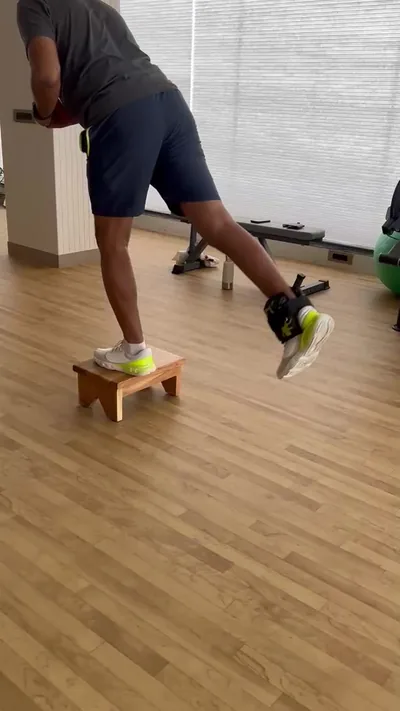
Backward walking helps athletes recover from ACL injuries. It builds knee stability in Phase 2 of rehab. This exercise targets quadriceps and improves control after surgery…
Read article

After ACL surgery, rebuilding knee strength takes time and care. ACL rehabilitation phases guide this process step by step. Phase 1 protects the graft and cuts swelling with gentle movements, ice packs, and elevation. Expect crutches for weight-bearing limits and basic range-of-motion work like heel slides.
The ACL rehab squat depth test checks readiness for deeper squats. This knee stability squat test helps progress safely without overload. It shows if your knee handles load without wobble, pain, or shift. Trivayu Physio Center in Vaishali Nagar, Jaipur, supports sports injury rehab with hands-on checks.
Get an in-person assessment before any squat test. Self-progression risks graft strain or setback. A physio watches your form, checks graft tension by feel, and adjusts based on swelling or pain levels.
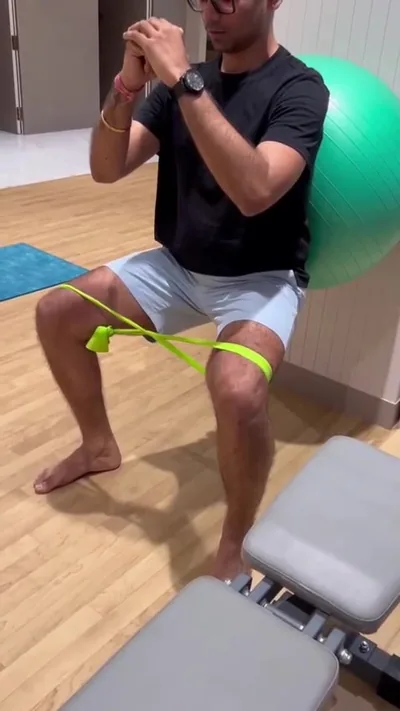
ACL rehab has clear phases to build function safely. Phase 1 keeps the knee steady, often with crutches if needed, and avoids full weight-bearing. Phase 2 introduces weight-bearing exercises like partial squats against a wall.
The phase 3 squat test measures knee stability under load. Squat to a certain depth without pain, knee wobble, or inward shift. This shows if quads, hamstrings, glutes, and core control the knee joint properly. A physio notes your squat depth, hold time, and any compensations like hip hike. Looking for a Physiotherapy Near Me? Our team in Vaishali Nagar, Jaipur can assess you in person.
Do this test only with physio supervision. They measure knee bend angle with a goniometer, check joint line stability by hand, and test for effusion. At Trivayu Physio Center, Orthopaedic Rehabilitation assesses your exact stage and sets personal goals.
Squats rebuild quad strength, which often drops sharply after ACL tear or surgery. Weak quads fail to absorb shock, leading to poor knee control during twists, stops, or uneven ground. Strong quads, paired with glutes and hamstrings, stabilise the knee for real-life moves.
Deep squats mimic bending to pick up objects or sports crouches. Safe depth prevents graft overload, meniscus pinch, or patellar strain. Rushing depth causes swelling flares or muscle imbalances. Passing the test unlocks advanced training like running or jumping prep.
Proper squat form links to better long-term knee function. Shallow squats build a base but do not fully restore power. Deeper control proves balanced strength across muscle groups. More on Sciatica Treatment and how we assess it.
Before deepening squats, check these markers with your physio:
Physios confirm these during session. Manual Therapy releases tight hip flexors or calf muscles to improve form. Electrotherapy reduces any lingering swelling before testing. Book a check at Trivayu Physio Center, Vaishali Nagar or Vidyadhar Nagar.
Perform the test under physio guidance. Wear stable supportive shoes. Warm up with 5-10 minutes of stationary bike or marching in place to increase knee blood flow.
Key cues: Hinge hips first, brace core like preparing for a punch, breathe out on the way up. Stop immediately if knee buckles, swells, or clicks. Dr. Jyoti Choudhary at Trivayu guides form based on your graft type and surgery date. You may also find ACL Rehab Squat Depth in Month 3 useful.
Physios spot these errors early and correct them to protect your knee:
Pause exercises if issues appear. Dr. Hritika Choudhary corrects post-op form at Trivayu Physio Center to avoid compensations.
Passing means your knee handles parallel depth stably. Next, add 2-5kg light weights or medicine ball holds, keeping form perfect. Increase reps from 8 to 12 over two weeks if no swelling.
Progress to single-leg variations like Bulgarian split squats (rear foot elevated, 3×8 per leg). Introduce pistol squat assists with a bench or TRX straps. After physio approval, add low plyometrics like squat jumps to a 20cm box (3×5).
Track weekly: Measure squat depth, hold time, and single-leg balance. Adjust for fatigue or flare-ups. Dr. Ishu Sharma fine-tunes progression to match your goals.
Build squats gradually across phases. Week 1 post-phase 2: Wall slides to 45-degree knee bend, 3 sets of 10 reps. Week 3: Free squats to 90 degrees if stable, 3×8. Week 6: Add pause at bottom (3 seconds), 3×10.
Emphasise eccentric control—slow lower (4 seconds down). Pair with hamstring work like seated curls. Include balance drills: Stand on foam pad for 30 seconds before squatting.
Reassess before advancing. Single-leg squats enter here: Start assisted to chair height, progress to free-standing 45-degree bend, 3×6 reps.
This progression rebuilds knee confidence for stairs, sports, or heavy lifts.
It checks knee control for deeper squats. Squat pain-free to thighs parallel without collapse or shift.
When pain-free, knees aligned over toes, stable on single leg, and hamstrings active. Physio confirms with hands-on test.
No pain, knees track straight, heels stay down, good single-leg balance. Test under supervision.
Stop at that angle. Note it and see physio to adjust load or add prep exercises.
No. Without guidance, you risk poor form or overload. Book a professional session.
Deeper control builds quad, glute strength, and stability. Safe increases prevent setbacks like swelling.
A test of balance and strength on the injured leg. Lower to chair height without wobble, hip drop, or knee cave.
Progress ACL recovery with guided care. Book an assessment at Trivayu Physio Center, Vaishali Nagar, Jaipur, via WhatsApp or call +91 90570 65065.
Physiotherapy is not the right first step for everything. Seek medical assessment promptly if any of the following apply to you:
If you lose control of your bladder or bowels, develop numbness around the groin, or have chest pain or breathlessness, treat it as an emergency and go to hospital.
Truly thankful to Dr. Jyoti Choudhary and the entire team of Trivayu Physio Centre for their genuine care, humble behaviour, and excellent treatment.
Mahesh Dhaka, Google review
This is one patient's own account, published with consent on our reviews page. It describes their experience, not a predicted outcome. Individual results vary.
Backward walking helps athletes recover from ACL injuries. It builds knee stability in Phase 2 of rehab. This exercise targets quadriceps and improves control after surgery…
Read articleAfter hip replacement surgery, dressing your lower body safely helps build independence. By week 6 of hip replacement recovery, many patients aim to dress without help.…
Read articleAfter ACL reconstruction, your knee may feel unstable. The graft can buckle or give way. Active youth in Jaipur often face this in recovery. Daily checks…
Read articleMessage us on WhatsApp with your main concern and preferred time, and we'll confirm your first visit the same day.