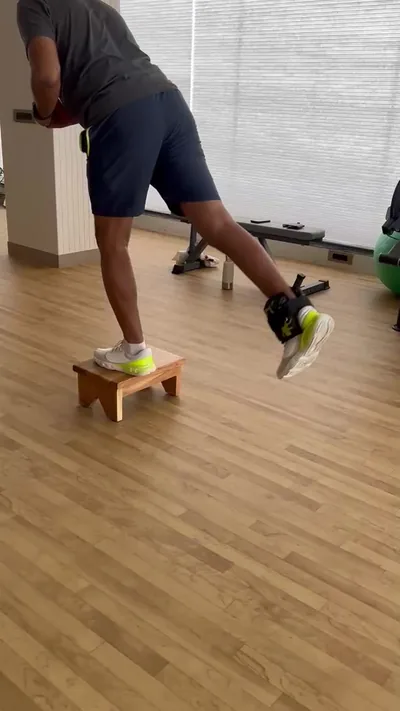
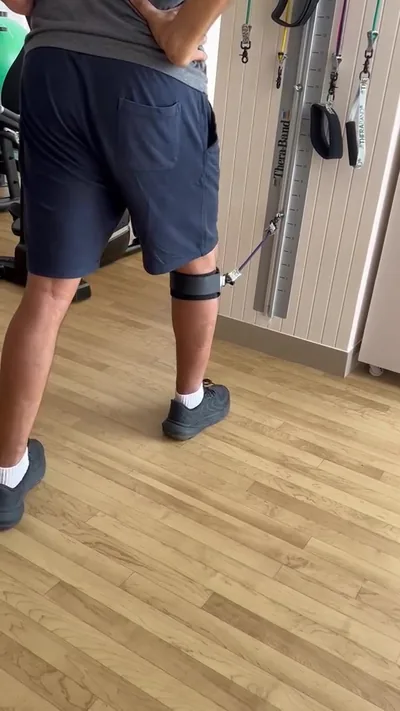
Backward Walking in ACL Rehab Phase 2
Backward walking helps athletes recover from ACL injuries. It builds knee stability in Phase 2 of rehab. This exercise targets quadriceps and improves control after surgery…
Read article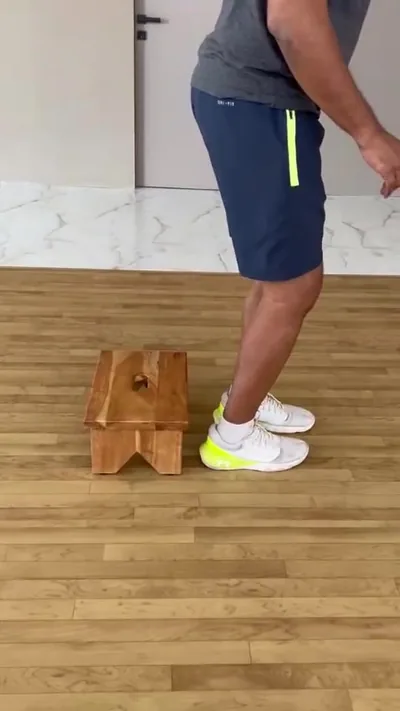

After ACL surgery, your hamstrings may feel tight during phase 2 rehab. This phase focuses on building knee control, often around 4-6 weeks post-op. Tight hamstrings can limit progress. Gentle stretches help, but first get a physio check.
These stretches target the issue without risking your knee. They fit phase 2 goals: regaining motion safely. Always pair with your rehab plan. A physiotherapist assesses your knee stability, graft healing and muscle balance before clearing you for these.
Hamstrings shorten when knee braces limit bend or quads weaken, common in early ACL recovery. Tightness pulls on your knee, raising re-injury risk. It affects gait and stability too. Post-op swelling adds pressure on the back of the knee, making hamstrings work harder to stabilise during walks or partial squats.
Phase 2 stresses the knee with partial weight-bearing. Hamstrings guard the joint. If pain or swelling joins tightness, stop. Visit a physio for tailored advice. They check for imbalances, like weak glutes forcing hamstrings to overcompensate.
Do these 2-3 times daily. Hold each 20-30 seconds. Breathe deeply. Stop if pain increases. Perform on both legs to maintain symmetry, even if only one knee had surgery. A physio shows exact form to protect the ACL graft. Looking for a Physiotherapist in Jaipur? Our team in Vaishali Nagar, Jaipur can assess you in person.
Each aids knee rehab by improving hamstring flexibility. Track comfort levels. Note any difference between legs in a journal for your next physio visit.
Stretches work best with strengthening. Phase 2 introduces controlled loading. A physio progresses you based on single-leg balance tests and pain-free squat depth. Start with these basics under guidance.
Double-leg bridges: Lie on back, feet flat, knees bent. Lift hips by squeezing glutes. Hold 5 seconds, lower slowly. Builds hamstring endurance without full knee strain. Do 10-15 reps, 2 sets.
Isometric quad sets: Sit or lie with knee straight. Tighten thigh muscle, press back of knee down. Hold 10 seconds. Strengthens quads to reduce hamstring overuse. Repeat 10 times per leg.
Partial wall squats: Stand with back against wall, feet forward. Slide down till knees bend 30-45 degrees. Hold 10 seconds. Improves knee control. Advance angle as stability grows. More on Sciatica Treatment and how we assess it.
Seated leg extensions: Use ankle weights if cleared. Straighten knee slowly against light resistance. Targets quads directly, easing hamstring tension. 10 reps per set.
These build the control needed for sports return. Manual Therapy from a physio releases tight spots first, making exercises easier.
Sports injuries like sudden stops in football or cricket often tear ACL and strain hamstrings together. Tightness lingers due to altered running patterns. Rehab focuses on lengthening hamstrings while protecting the knee.
Progress flexibility with prone knee hangs: Lie on stomach, let operated leg hang off bed edge. Gravity gently stretches. 5 minutes daily. Combine with foam rolling the back thigh – roll slowly from knee to buttock, avoiding the surgical scar.
For Jaipur athletes, dust and heat can stiffen muscles more. Stay hydrated and use cool packs post-stretch to calm inflammation.
Early post-op, knee stretches prevent scar tissue buildup. Heel slides: Lie on back, slide heel towards buttock with towel under foot. Go as far as pain-free. 10 reps, 3 times daily.
Prone quad stretch: Lie on stomach, bend knee with strap to stretch front thigh. Balances hamstrings. Hold 20 seconds. These open the knee joint, making hamstring work safer in phase 2. You may also find ACL Hamstring Graft Pain Month 2: Stretch Tips useful.
Expect mild discomfort at first. A physio uses Electrotherapy to reduce swelling, speeding motion gains.
Common errors like forcing deep or skipping warm-up lead to strains. Proper form matters in knee rehab. Video yourself to check posture.
At a clinic like Trivayu Physio Center in Vaishali Nagar, Jaipur, expect a full assessment first. The physio tests knee range, strength and proprioception – your sense of joint position.
Session flow: Heat or ice to prep tissues, then hands-on work to loosen hamstrings, followed by guided exercises. Home plan includes your stretches plus log sheet. Follow-ups adjust for progress. Dr. Jyoti Choudhary, with experience treating Jaipur cricket teams, spots sports-specific issues like hamstring pulls from pivots.
Orthopaedic rehabilitation paces your return, preventing setbacks common in self-managed rehab.
Red flags: Persistent tightness despite stretches, knee instability, or swelling. These signal quad weakness or scar tissue. Sudden giving way during walks needs urgent check.
At Trivayu Physio Center in Vaishali Nagar, Jaipur, our sports injury specialists use techniques like Robotic Spinal Decompression if spine issues link in.
Quad avoidance post-surgery tenses hamstrings. Limited motion and altered walk patterns add to it. Muscle guarding protects the knee. Scar tissue around the graft adds pull.
2-3 sessions daily, 2-3 stretches per leg. Short, regular holds work best. Adjust by feel. Morning and evening fit most schedules.
Yes, if basics are pain-free and doctor-approved. Start light; track progress. Have a mirror or helper watch form.
Typically 4-6 weeks post-op, when full knee bend returns without pain. Physio confirms readiness with hop tests or balance checks.
Yes. It loosens hamstrings gently, builds fitness without joint load. Ideal for phase 2. Kickboard drills target hamstrings safely.
Sports add explosive demands. Physio includes agility drills later, but starts with your stretches to rebuild length first.
Mastering these stretches boosts your ACL recovery. Consistent care leads to stronger return to sports. Book an assessment at Trivayu Physio Center via WhatsApp or phone for personalised guidance.
Physiotherapy is not the right first step for everything. Seek medical assessment promptly if any of the following apply to you:
If you lose control of your bladder or bowels, develop numbness around the groin, or have chest pain or breathlessness, treat it as an emergency and go to hospital.
Truly thankful to Dr. Jyoti Choudhary and the entire team of Trivayu Physio Centre for their genuine care, humble behaviour, and excellent treatment.
Mahesh Dhaka, Google review
This is one patient's own account, published with consent on our reviews page. It describes their experience, not a predicted outcome. Individual results vary.
Backward walking helps athletes recover from ACL injuries. It builds knee stability in Phase 2 of rehab. This exercise targets quadriceps and improves control after surgery…
Read articleAfter ACL surgery, rebuilding knee strength takes time and care. ACL rehabilitation phases guide this process step by step. Phase 1 protects the graft and cuts…
Read articleAfter hip replacement surgery, dressing your lower body safely helps build independence. By week 6 of hip replacement recovery, many patients aim to dress without help.…
Read articleMessage us on WhatsApp with your main concern and preferred time, and we'll confirm your first visit the same day.