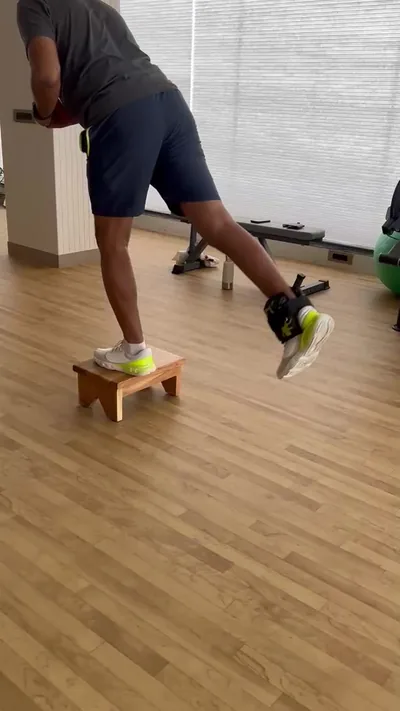
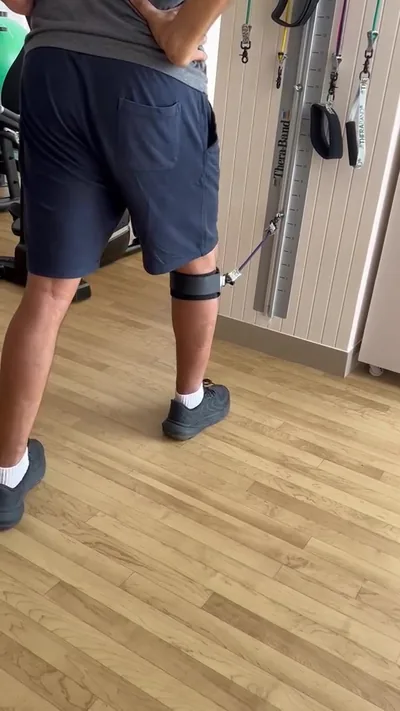
Backward Walking in ACL Rehab Phase 2
Backward walking helps athletes recover from ACL injuries. It builds knee stability in Phase 2 of rehab. This exercise targets quadriceps and improves control after surgery…
Read article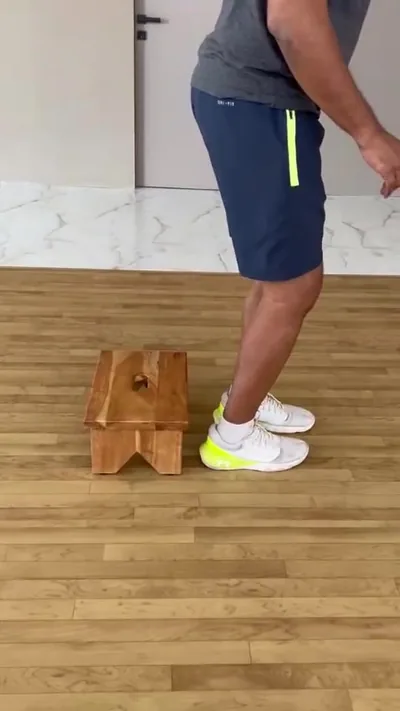
Two months after ACL reconstruction with hamstring graft, patients often feel soreness at the donor site on the back of the thigh. This can limit tasks and exercise.
At Trivayu Physio Center in Vaishali Nagar, Jaipur, we guide patients on stretch and load management. Always get an in-person check. Recovery varies.
This guide covers sensations, safe stretches, and when to seek help. Book an assessment for tailored advice.
The hamstring graft comes from your semitendinosus or gracilis tendon. Surgeons harvest it from the inner part of the back of your thigh.
In month 2, pain feels like tightness or ache. Stairs or bending may hurt. Scar tissue forms around the harvest site.
Sensations vary: pulling during activity or pain at rest. Track changes in a notebook with dates, activities, and pain levels.
Physiotherapist checks knee range with goniometer, strength via manual testing, gait on treadmill. They palpate donor site for tenderness points and note walk or squat patterns to plan steps.
Controlled stretching reduces stiffness, improves blood flow and flexibility. It prevents scar tissue buildup that pulls during movement.
Progressive loading strengthens graft and thigh muscles. Start light. Avoid overload that causes setback.
At Trivayu, manual therapy and exercise therapy fit your stage. Myofascial release eases tension in tight bands. Mulligan Concept improves movement with gentle mobilisations.
Donor site discomfort arises from hamstring tendon harvest. The semitendinosus tendon regenerates slowly, leaving a weak spot. Gracilis harvest adds inner thigh pull.
In month 2, do gentle stretches daily, 2-3 times. Hold 20-30 seconds. Breathe steadily. Stop if pain sharpens or increases beyond mild pull.
Safely stretching the hamstring post-ACL needs caution. Keep knee slightly bent if straight-leg causes graft pull. Focus on hip hinge, not forward bend from waist.
Warm up with 5 minutes walking or stationary bike. Visit Trivayu in Vaishali Nagar or Vidyadhar Nagar for demo if unsure. Seek check if pain worsens or asymmetry grows. Looking for a Physiotherapist in Jaipur? Our team in Vaishali Nagar, Jaipur can assess you in person.
Progress stretches by adding hold time or slight angle change only after 1 week comfort. Pair with quadriceps stretches to balance thigh.
Progressive loading builds resilience around the graft and donor site. Physiotherapist designs based on knee stability tests like single-leg stance or hop tests if ready.
Start isometric holds to activate without movement. Progress to dynamic moves. Aim for symmetry between legs. Stop if donor site aches more than 2 days. Read more about our Orthopaedic Physiotherapy.
Do 2-3 sets of 8-12 repeats. Rest 1-2 days between sessions. At Trivayu, clinical Pilates refines control with reformer for precise hamstring loading.
Gradual activity build prevents overload. Start bodyweight only. Add resistance when soreness fades within 24 hours. No pain beyond mild that resolves with rest.
Monitor for swelling at knee or thigh, sharp pain, increased tenderness or limping. Rest if overload signs show. At clinic, clinical Pilates and electrotherapy support safe loading.
Use pain scales 0-10 pre- and post-exercise. Adjust volume if over 4/10 lingers past 24 hours. Avoid compensation patterns like hip hiking or leaning during gait.
Managing soreness in month 2 focuses on recovery balance. Soreness peaks after new loads due to micro-tears healing. Distinguish good soreness from injury warning.
Ice donor site 15 minutes post-activity using cloth-wrapped pack. Elevate leg on pillows above heart. Massage above and below tender spot with light strokes to boost circulation. You may also find ACL Graft Stretching Precautions Months 2-3 Jaipur useful.
Heat pack before stretches for 10 minutes to loosen tissue. Use compression sleeve on thigh during day for support. Stay hydrated to aid tissue repair.
Sleep side-lying with pillow between knees to neutralise hips. Track triggers like stairs or prolonged sitting. Break tasks into short bursts with 2-minute walks.
Protein aids repair, turmeric reduces inflammation—see doctor for diet advice. Physiotherapy adds dry needling to release trigger points or TECAR therapy for deep heat.
If soreness disrupts sleep or daily chores, note patterns for physio review. Expect fluctuations with weather or fatigue.
Session starts with assessment: thigh girth measurement for swelling, straight-leg raise angle, donor site palpation.
Manual therapy follows: soft tissue mobilisation glides over hamstring, joint mobilisations for knee and hip, myofascial release with hands or tools.
Exercise segment: eccentric hamstring lowers from step, balance board for proprioception, core work to stabilise.
Modalities: Class IV laser on donor site for healing, electrotherapy for pain gate. Mulligan taping supports thigh during activity. Home program with video demos and progressions.
Sessions last 45-60 minutes, 2-3 times weekly. Dr. Jyoti Choudhary reviews at follow-ups. Expect homework like twice-daily sets.
Red flags need urgent doctor care: sharp pain increase, swelling, redness, fever, calf pain or warmth suggesting clot.
For ongoing donor site pain limiting walks or stairs, see physiotherapist promptly. Trivayu uses Class IV laser, TECAR therapy, dry needling targeted to hamstring.
Dr. Jyoti Choudhary leads sports rehab protocols. Dr. Hritika manages post-op cases. Home visits and online consults available. Clinics at Vaishali Nagar, Vidyadhar Nagar.
Contact +91 90570 65065 or WhatsApp for slot.
Tissue healing response, scar formation at harvest site, muscle weakness from tendon removal.
Gentle seated or supine stretches. Hold to mild pull only, stop on sharp pain. Get clinic demo for form.
Build activity step-by-step from isometrics to dynamic. Watch for overload like lingering ache.
If pain persists beyond mild or affects gait. Trivayu in Vaishali Nagar offers quick assessments.
Yes, mild soreness common during healing. Assess if it limits function or worsens.
Palpate specific points, test straight-leg raise range, observe squat or walk.
Manage ACL hamstring graft pain with stretches and load control. Book assessment at Trivayu Physio Center. WhatsApp +91 90570 65065 or call.
Physiotherapy is not the right first step for everything. Seek medical assessment promptly if any of the following apply to you:
If you lose control of your bladder or bowels, develop numbness around the groin, or have chest pain or breathlessness, treat it as an emergency and go to hospital.
Truly thankful to Dr. Jyoti Choudhary and the entire team of Trivayu Physio Centre for their genuine care, humble behaviour, and excellent treatment.
Mahesh Dhaka, Google review
This is one patient's own account, published with consent on our reviews page. It describes their experience, not a predicted outcome. Individual results vary.
Backward walking helps athletes recover from ACL injuries. It builds knee stability in Phase 2 of rehab. This exercise targets quadriceps and improves control after surgery…
Read articleAfter ACL surgery, rebuilding knee strength takes time and care. ACL rehabilitation phases guide this process step by step. Phase 1 protects the graft and cuts…
Read articleAfter hip replacement surgery, dressing your lower body safely helps build independence. By week 6 of hip replacement recovery, many patients aim to dress without help.…
Read articleMessage us on WhatsApp with your main concern and preferred time, and we'll confirm your first visit the same day.