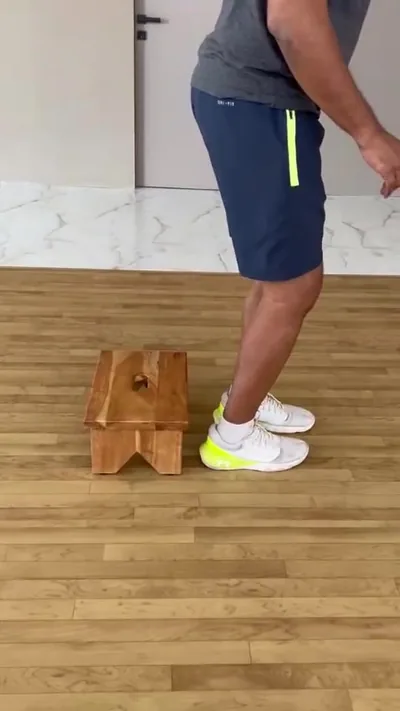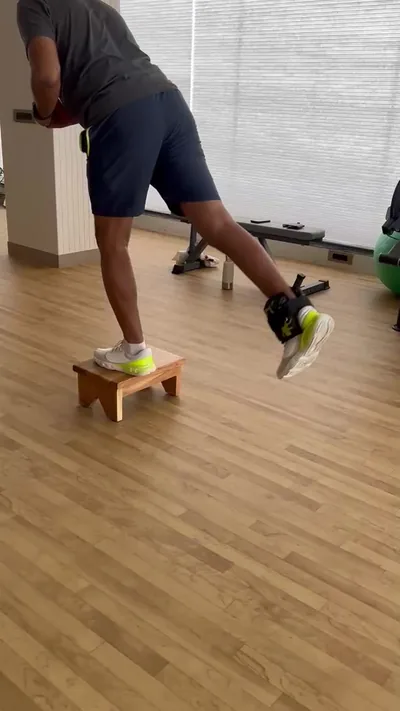
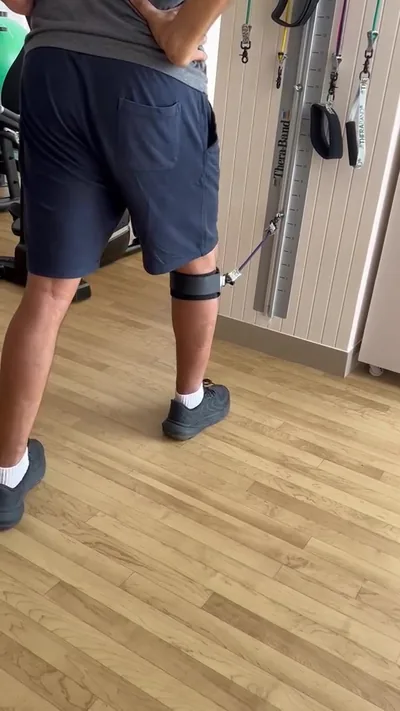
Backward Walking in ACL Rehab Phase 2
Backward walking helps athletes recover from ACL injuries. It builds knee stability in Phase 2 of rehab. This exercise targets quadriceps and improves control after surgery…
Read article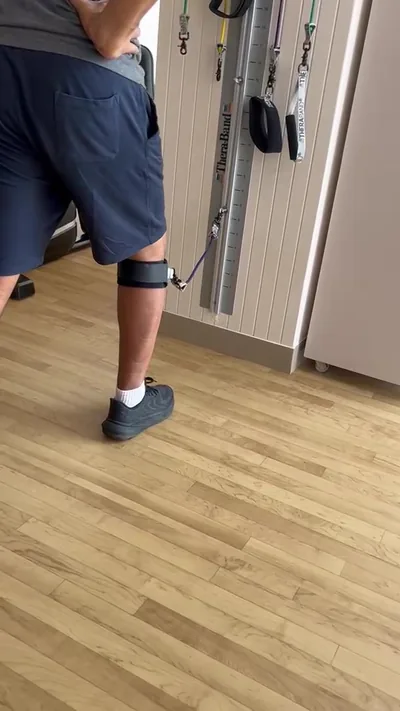
Anterior cruciate ligament (ACL) tear recovery needs steady progress. In weeks 6-12 after surgery, focus shifts to stability. Balance exercises help regain knee control.
At this stage, patients work on proprioception—the body’s sense of position and movement. ACL injury disrupts it. Balance board exercises challenge stability under guidance.
Trivayu Physio Center in Jaipur offers sports injury rehab. Our team uses exercise therapy for ACL recovery. Get an in-person check before starting new exercises.
Weeks 6-12 mark intermediate ACL rehabilitation. Early stages cover swelling control, straight-leg raises, and heel slides. Now stability takes centre stage as the graft strengthens.
Balance training rebuilds knee control for walking on uneven ground and sports like running. It prevents side-to-side slips. Quadriceps and hamstrings must fire together.
Progression varies by surgery type, age, and fitness. A physiotherapist assesses with tests like single-leg squat. Timeline moves from double-leg to single-leg work.
Expect 2-3 sessions per week at the clinic, each 45-60 minutes. Combine balance with mini-squats and lunges. Adjust based on graft type.
Balance rebuilds proprioception—the knee’s sense of position. ACL injury disrupts it, raising re-injury risk.
Good balance cuts fall chances and mimics sports movements like pivoting in cricket.
Training strengthens quadriceps, hamstrings, glutes, and calves. It improves coordination. Start slow. Pair with electrotherapy to ease fatigue.
Physiotherapists test first, like single-leg stand for 10 seconds. Then add challenges. Keep hip alignment level.
Balance boards rock in all directions. They train stability by forcing adjustments. Progress from easy to hard in weeks 6-12.
Safety: Stand near a wall or chair. Wear supportive shoes. Stop if pain increases or knee buckles. Warm up with 5 minutes of cycling.
Rest 1-2 days between sessions. Physiotherapist guides form with mirrors. Advance if no knee valgus—inward collapse. If shaky, drop sets by 10 seconds. Re-test weekly with timer. Looking for a Physiotherapist Near Me? Our team in Vaishali Nagar, Jaipur can assess you in person.
These use exercise therapy tools at Trivayu. Integrate with manual therapy and electrotherapy. Do 3 times weekly, 10-15 minutes. Breathe steadily.
Early sessions feel shaky. By week 12, holds lengthen. Track with journal: time, pain (0-10), swelling. Note if knee feels “locked” or free. Physiotherapists review journal to tweak.
Proprioception drills sharpen joint feedback. ACL tears cut these nerves. Start on stable surfaces, advance to boards. Do daily at home after clinic demo.
Examples: Foam pad stands. Single-leg eyes-closed holds—start 10 seconds on floor, build to 30. Ball toss while balancing: catch 10 times, eyes forward.
Test with Y-balance reach in 8 directions: stand single-leg, reach as far as possible without fall. Physiotherapist measures distance, compares legs.
Post-ACL surgery, balance ladder: floor to foam to board to uneven surfaces. Weeks 6-12 cover foam and board. Floor builds base confidence.
Add speed: static holds to step-ups—step on/off board 10 times slow. For cricket, mimic lunges: lunge forward on board, hold 5 seconds. Progress to side lunges week 11. Read more about our Orthopaedic Physiotherapy.
Monitor: If quad lag—thigh doesn’t straighten fully—drop back to double-leg. Use squat endurance tests: count pain-free reps to 20 degrees. Physiotherapists use mirrors for self-check. You may also find Progress from Walker to Cane after Knee Replacement useful.
Stability means knee holds under load without wobble. Physiotherapists approach with layered tests: first double-leg squat on floor, check symmetry. Then foam, note valgus. Board last.
Drills: Lateral hops on floor week 9—small jumps side to side, 5 reps. Progress to board hops week 12, tiny distance.
What to expect: First session, physio measures baseline with single-leg hop distance. They palpate graft site for tenderness. Adjust with ice post-exercise if warm.
For sports like cricket, progression ties to game moves. Weeks 6-8: basic holds. 8-10: directional reaches. 10-12: pivots—turn 90 degrees on single-leg.
Physio customises: assess sport history first. Add medicine ball passes on board for upper body link. Expect fatigue in glutes first—normal, rest extra day.
Safety cues: land soft, knee tracks over second toe. If slip, reset to prior level. Clinic uses video analysis for form review.
Our team handles sports rehab. Dr. Jyoti Choudhary, 17+ years, serves Rajasthan Senior Women’s Cricket Team. She leads ACL stability training.
Dr. Hritika Choudhary aids post-op with electrotherapy. Dr. Ishu Sharma focuses on exercise therapy. Locations in Vaishali Nagar and Vidyadhar Nagar.
Services include sports injury rehab and pain management. Book in-person assessment for ACL plan. We check graft integration. Expect full exam: range, strength, balance baseline.
Blend balance with manual therapy and myofascial release. Physiotherapists release tight IT band with hands, then add board.
Home visits and online consultations available in Jaipur. Get personalised plan. Track progress weekly: balance time, reach, hop confidence. Return if swelling returns.
Standing on wobble board. Progress from two legs to one, adding bends. Builds knee stability.
Restores proprioception. Prevents re-injury. Trains real-world demands.
Weeks 6-12, after doctor clearance. Physiotherapist confirms with tests.
Yes, with guidance. Use board or pillow. Trivayu offers home visits.
Balance boards, foam pads, exercise therapy tools. Clinical Pilates for control.
Test weekly: holds, reaches, perturbations. Advance if pain-free and symmetric. Add sport-specific drills by week 12.
Ready for ACL rehab balance exercises Jaipur? Book at Trivayu Physio Center. WhatsApp or call +91 90570 65065.
Physiotherapy is not the right first step for everything. Seek medical assessment promptly if any of the following apply to you:
If you lose control of your bladder or bowels, develop numbness around the groin, or have chest pain or breathlessness, treat it as an emergency and go to hospital.
Truly thankful to Dr. Jyoti Choudhary and the entire team of Trivayu Physio Centre for their genuine care, humble behaviour, and excellent treatment.
Mahesh Dhaka, Google review
This is one patient's own account, published with consent on our reviews page. It describes their experience, not a predicted outcome. Individual results vary.
Backward walking helps athletes recover from ACL injuries. It builds knee stability in Phase 2 of rehab. This exercise targets quadriceps and improves control after surgery…
Read articleAfter ACL surgery, rebuilding knee strength takes time and care. ACL rehabilitation phases guide this process step by step. Phase 1 protects the graft and cuts…
Read articleAfter hip replacement surgery, dressing your lower body safely helps build independence. By week 6 of hip replacement recovery, many patients aim to dress without help.…
Read articleMessage us on WhatsApp with your main concern and preferred time, and we'll confirm your first visit the same day.