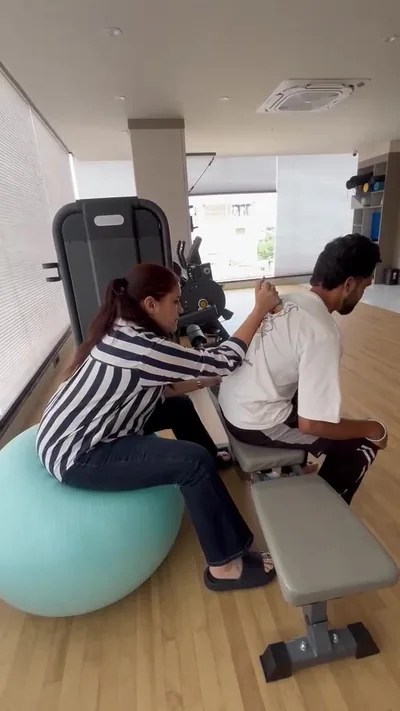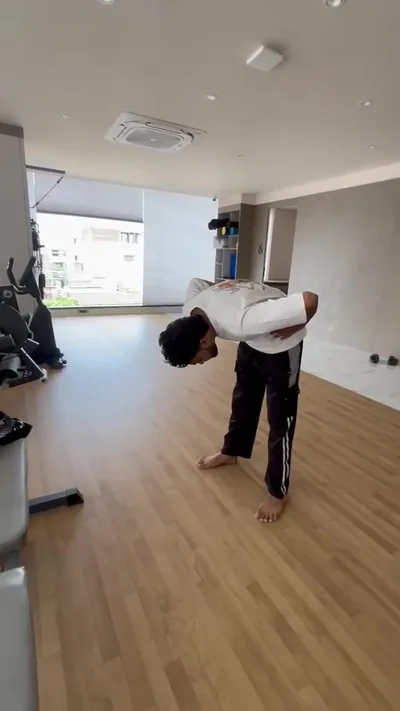
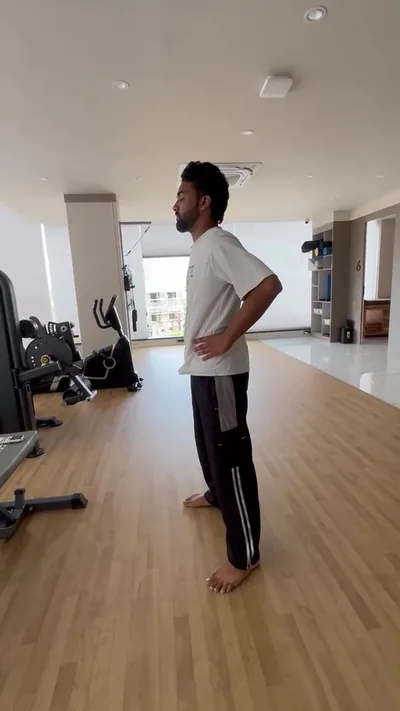
Is Side Bending Safe with L4 L5 Herniated Disc
An L4 L5 herniated disc happens when the disc between your fourth and fifth lumbar vertebrae bulges or ruptures. This presses on nearby nerves, causing pain…
Read article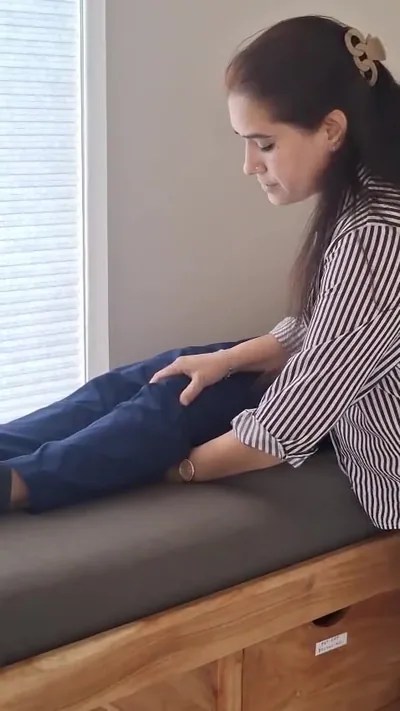

After ACL reconstruction surgery, your knee graft needs time to heal and gain strength. ACL graft stability exercises check how well it holds up during daily moves. These home drills focus on safe self-assessment, like a knee pivot shift self test. They fit into ACL reconstruction recovery by letting you track graft healing at home.
Stability helps avoid re-injury. Self-testing has risks. Start after doctor’s clearance. Pair home work with professional guidance at a clinic like Trivayu Physio Center in Vaishali Nagar, Jaipur.
These exercises suit post-ACL surgery recovery. They monitor progress without gym tools. Do them gently. A physiotherapist assesses knee range, strength and swelling before clearing home drills. They guide progression from holds to pivots.
ACL graft stability exercises test if the new ligament can handle twists and turns. The ACL keeps your knee from shifting forward or pivoting too much. After surgery, the graft replaces the torn ligament. This graft bonds to bone over months.
Stability tests check graft function. The pivot shift test mimics the knee’s natural pivot to spot instability. At home, a safe version helps self-assess ACL graft. These drills build muscle control around the knee. Looking for a Physiotherapist Near Me? Our team in Vaishali Nagar, Jaipur can assess you in person.
They show if your knee is ready for more activity. A physiotherapist checks graft integration through clinical tests, then teaches home versions. Get an in-person physio check before starting. Unsupervised tests can strain the graft.
The pivot shift test checks ACL function by stressing the knee in a pivot motion. In clinic, a physio holds your leg and rotates it to see if the tibia shifts. At home, do a milder version. This knee pivot shift self test gives clues about stability.
Lie on your back with legs straight. Bend the operated knee to 20-30 degrees. Place your hand under the knee. Rotate your foot inward while lifting the heel slightly. Hold for 3-5 seconds. Feel for clunk, slip or unusual movement. Release slowly. Repeat 3-5 times, once a day.
Do not force it if your knee hurts or swells. Avoid if early post-op or with recent swelling. Unsafe self-testing can harm the graft. Stop and seek physio help. A professional demonstrates this first. More on Knee Pain Treatment and how we assess it.
Start with basic holds before pivots. These ACL knee stability test drills build control. Adapt for your recovery stage. A safe knee stability check watches for pain or wobble.
Do them 3 times a week. Warm up with 5 minutes of marching in place. Use a wall or chair for support. Progress slowly. Track how the knee feels after each set.
Manual Therapy from a physio can improve joint mobility before these.
Here are beginner drills for post ACL surgery home drills. Do 2 sets of 10 reps. Rest 1 minute between. Breathe steadily. Stop if knee heats up.
Stop if pain, swelling, or giving way occurs. Orthopaedic Rehabilitation progresses these safely.
Before post surgery knee exercises, check for swelling by comparing knees. Press gently around the joint; note tenderness. Try straight-leg raise: lie back, lift leg 20 cm. If knee bends or shakes, stability lacks. You may also find ACL Graft Buckling Tests Before Sport useful.
Stand and do a mini-squat. Watch if knee shifts inward. These spot issues early. They do not replace clinic checks. A physio uses tools like KT-1000 for graft laxity.
Weeks 1-4 after ACL reconstruction: ankle pumps 20 times hourly. Quad sets: tighten thigh 10 seconds, 20 reps. Straight-leg raises: 3 sets of 10, no knee bend.
Weeks 4-8: heel slides, 10 reps. Wall slides for partial squats. A physiotherapist teaches these to avoid graft stress.
For home rehab for ACL graft, layer exercises over months. Early: protection with brace if advised. Middle: stability drills. Late: single-leg jumps after clearance.
Daily: 20 minutes strengthening. Weekly: stability tests. Use mirror to watch knee tracking. Ice 15 minutes post-exercise if warm. Elevate leg.
Electrotherapy at clinic supports this by easing pain.
ACL reconstruction recovery varies. Month 1: reduce swelling, regain motion. Month 2-3: build strength. Month 4-6: stability drills. Beyond 6 months: sport-specific.
Physio monitors with tests like hop tests. Adjust home rehab based on checks.
Red flags: sharp pain, swelling increase, knee locking, or instability. These signal graft issues.
Book an assessment. At Trivayu Physio Center, Vaishali Nagar, Jaipur, our team handles post-op knee care. Dr. Jyoti Choudhary, with 17+ years and experience with Rajasthan Women’s Cricket Team, leads Orthopaedic Rehabilitation. Others like Dr. Hritika Choudhary offer electrotherapy. Also at Vidyadhar Nagar. Call +91 90570 65065 or WhatsApp to book.
Stick to a schedule. Warm up with 5 minutes walking. Ice after if needed. Track reps and feelings in a notebook.
Combine with knee strengthening like calf raises. Wear supportive shoes. Eat protein-rich foods. Sleep with knee elevated. Avoid twists until stable. Use crutches early if advised.
A mild version is possible after clearance. Get physio approval first.
Safe ones include holds, controlled pivots, and balance reaches. Start basic. Progress with guidance.
Use home drills like single-leg stance or gentle pivot checks. Note slip or pain.
After physio okay, often when walking without limp. Basics early, pivots later.
Not fully. Supervised version is best. Visit for proper checks.
These home rehab for ACL graft tips aid recovery. Professional input ensures safety. Get in-person assessment.
Book your knee assessment at Trivayu Physio Center today. WhatsApp or call +91 90570 65065.
Physiotherapy is not the right first step for everything. Seek medical assessment promptly if any of the following apply to you:
If you lose control of your bladder or bowels, develop numbness around the groin, or have chest pain or breathlessness, treat it as an emergency and go to hospital.
Truly thankful to Dr. Jyoti Choudhary and the entire team of Trivayu Physio Centre for their genuine care, humble behaviour, and excellent treatment.
Mahesh Dhaka, Google review
This is one patient's own account, published with consent on our reviews page. It describes their experience, not a predicted outcome. Individual results vary.
An L4 L5 herniated disc happens when the disc between your fourth and fifth lumbar vertebrae bulges or ruptures. This presses on nearby nerves, causing pain…
Read articleShopkeepers in Jaipur often stand for long hours behind counters. This prolonged standing can trigger sciatica pain. Sciatica happens when the sciatic nerve gets irritated, often…
Read articleHerniated disc night pain disrupts sleep for many. The disc bulge presses on nerves, causing sharp back pain or sciatica that flares up at night. Simple…
Read articleMessage us on WhatsApp with your main concern and preferred time, and we'll confirm your first visit the same day.