Backward Walking in ACL Rehab Phase 2
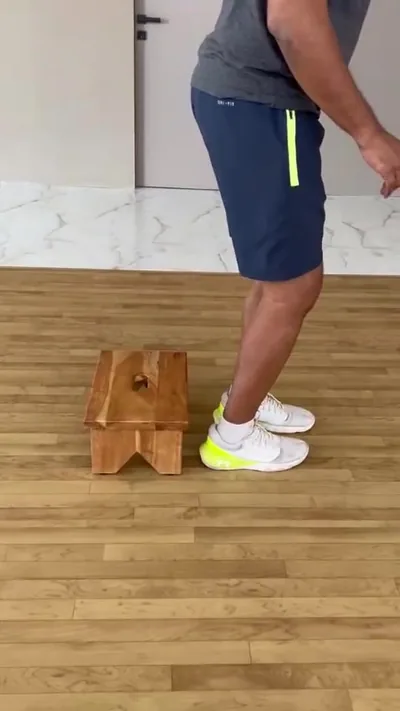
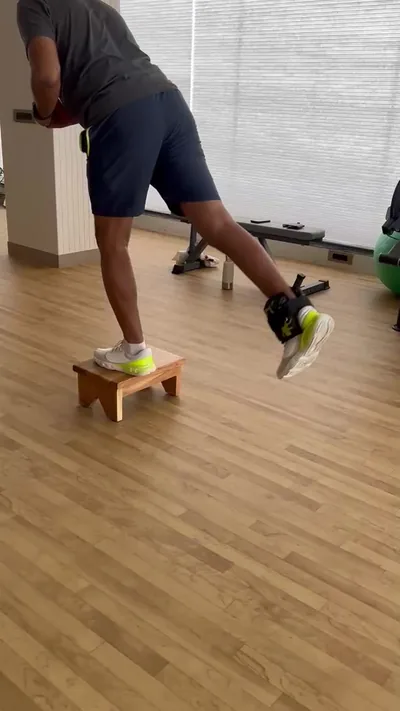
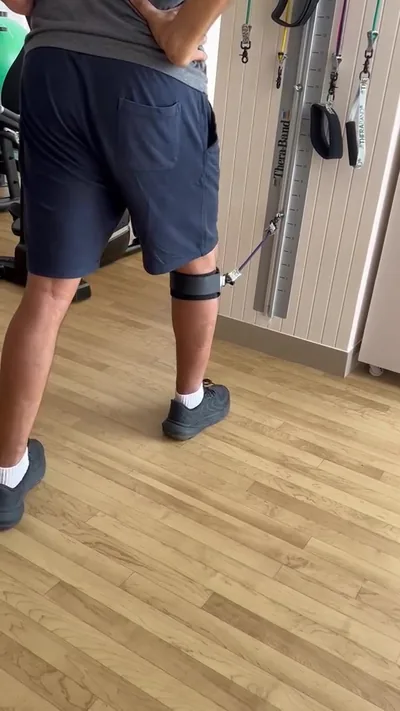
Backward walking helps athletes recover from ACL injuries. It builds knee stability in Phase 2 of rehab. This exercise targets quadriceps and improves control after surgery…
Read article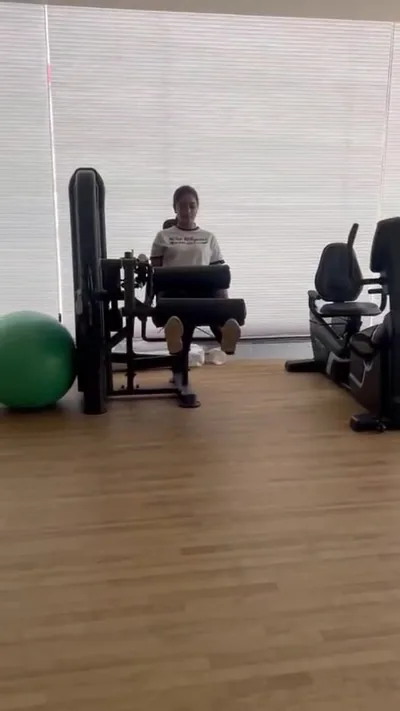

After ACL reconstruction, many feel knee buckling during activity. This knee giving way sensation raises fear of reinjury, especially for sport returners. ACL graft buckling prevention starts with understanding the issue and simple tests.
These pre-activity knee tests check graft stability before play. They help spot weakness early. Drills then build confidence. Always get an in-person assessment first, as recovery varies. A physiotherapist examines your knee’s range, strength and swelling to tailor a plan.
Trivayu Physio Center in Jaipur guides ACL recoverers with sports rehab expertise. Read on for practical steps on ACL knee buckling prevention, including what to expect in ACL reconstruction recovery.
Knee buckling after ACL surgery feels like the knee suddenly gives way. It often happens during quick turns or jumps in sports. The ACL graft needs time to heal and integrate with your knee. This process involves the graft attaching firmly to bone tunnels and regaining full strength.
Why does it occur in graft recovery? Weak quadriceps, poor balance or swelling can delay stability. Quadriceps shut down after surgery due to pain signals, leaving the knee reliant on other muscles. Poor balance, or proprioception, means your brain gets delayed feedback on knee position. Swelling presses on nerves, slowing reflexes. For those eyeing sports return after ACL, this links to reinjury fear. Unchecked buckling risks graft damage or stretch.
Post-ACL surgery stability demands caution. Self-tests help, but they do not replace a physio check. Book an assessment to rule out issues like poor graft placement or other knee problems. A physio uses hands-on tests to feel graft tension and checks for meniscus tears or alignment faults.
Before sport or intense activity, run these knee stability exercises as pre-activity knee tests. Do them daily to track progress in ACL reconstruction recovery. A physiotherapist would watch your form, noting knee valgus (inward collapse) or foot pronation.
Start with single-leg balance. Stand on the surgery leg for 30 seconds. Eyes closed adds challenge. Wobble means instability. Progress to unstable surfaces like a pillow for real-world prep. Looking for a Rehabilitation Centre Near Me? Our team in Vaishali Nagar, Jaipur can assess you in person.
Next, single-leg hop test. Hop forward 15 cm on the operated knee. Land steady without buckling. Measure distance and control. Compare to the other leg; big gaps signal weakness.
Crossover hop: Hop side-to-side over a line, 30 cm apart. Note if knee buckles inward. These graft protection drills prevent ACL reinjury by flagging risks early. Do 5 reps per direction.
Pass most tests? Progress to drills. Fail? Pause activity and see a physio. Expect a clinic visit to include these plus isokinetic testing for precise strength data.
Progressive ACL rehab drills target ACL graft stability. Begin with basics, advance as strength grows. Manual Therapy can ease tightness first, aiding these moves. A physio applies gentle joint mobilisations to restore full knee bend and straighten.
Balance drill: Stand on a soft surface like foam. Hold 1 minute per leg. Builds ankle and knee control to stop buckling. Add arm reaches to mimic sport perturbations.
Strength drill: Single-leg deadlifts. Hinge at hips, lower torso while extending surgery leg back. 3 sets of 10. Strengthens hamstrings and glutes, key for posterior chain stability. Keep back straight; use a mirror for form.
Proprioception drill: Bosu ball squats. Squat slowly on the dome side to parallel. Eyes closed ramps it up. Improves joint position sense. Do 3 sets of 12; catch any wobble early.
Agility drill: Ladder drills with quick feet. Side shuffles, high knees and icky shuffle. Focus on controlled stops to mimic sport demands. Start slow, build speed over weeks. More on Knee Pain Treatment and how we assess it.
Knee stability exercises like lateral band walks add side-to-side strength. Loop a band around knees, step sideways 10 steps each way, 3 sets. Targets glute medius to prevent inward knee collapse.
Orthopaedic Rehabilitation at clinic refines these. Seek guidance to avoid overload. Electrotherapy may reduce pain, letting you drill safely. Sessions use TENS or ultrasound to calm swelling post-drill.
Move from pre-activity knee tests to drills for ACL return to sport. Track test times and hop distances weekly. Improvement shows graft protection. A physio logs your scores to spot plateaus.
Monitor knee buckling after ACL surgery. Less giving way means progress. Pair with knee stability exercises like wall sits for endurance: Back to wall, slide to 90 degrees, hold 30-60 seconds, 4 reps.
Graft protection drills include controlled pivots. Stand on surgery leg, rotate body gently side-to-side. Builds rotational stability without strain. Advance to medicine ball throws while balanced.
Fear of reinjury fades with consistency. Visualise success during drills. Yet plateaus signal need for help. Trivayu Physio Center offers post-ACL surgery stability plans. Our sports rehab team addresses weak links like calf tightness or core weakness.
Progress slowly. Full sport clearance needs physio sign-off, often 9-12 months post-op. Expect phased return: jogging, then cutting, then contact. Pass all pre-activity knee tests plus sport-specific moves like shooting a ball. You may also find Knee Buckling ACL Patellar Graft Week 8 Balance Drills useful.
In ACL reconstruction recovery, phases matter. Early: Protect graft with brace if advised. Mid: Build strength. Late: Sport drills. Knee giving way prevention ties to hamstring flexibility too—stretch daily to 90 degrees bend.
Seek help if buckling persists despite drills, or pain/swelling follows activity. Recurrent knee giving way prevention requires expert eyes. Signs like night pain or locking mean urgent check.
At Trivayu Physio Center, Vaishali Nagar or Vidyadhar Nagar, our team excels in sports injury rehab and post-op care. Dr. Jyoti Choudhary, with 17+ years and experience with Rajasthan Women’s Cricket Team, leads ACL recovery. She designs plans blending strength and agility.
Dr. Hritika Choudhary handles advanced electrotherapy for post-op rehab. Book for personalised ACL graft buckling prevention. Initial visit: 45-60 minutes, full history, tests and home plan.
Muscle weakness, delayed nerve feedback or graft laxity cause it. Swelling or fatigue worsens buckling. An assessment pinpoints your cause, like quad inhibition or scar tissue.
Use single-leg balance, hop tests and squats. Steady control without wobble clears you. Practice pre-activity knee tests routinely. Add triple hop for distance if advanced.
Balance on unstable surfaces, single-leg strength moves and agility ladders. Progress slowly under guidance for best ACL knee buckling prevention. Include plyometrics like box step-ups later.
After passing stability tests, strength symmetry and sport drills. Physio clearance is key; timelines vary by person. Tailored plans build confidence through tests and drills, easing fear for safe sports return. Group sessions available for motivation.
Master these for safer knees. Recovery thrives with steady steps and expert input. Expect ups and downs; consistency pays off.
Book your assessment at Trivayu Physio Center today. WhatsApp +91 90570 65065 or call to start ACL graft buckling prevention.
Physiotherapy is not the right first step for everything. Seek medical assessment promptly if any of the following apply to you:
If you lose control of your bladder or bowels, develop numbness around the groin, or have chest pain or breathlessness, treat it as an emergency and go to hospital.
Truly thankful to Dr. Jyoti Choudhary and the entire team of Trivayu Physio Centre for their genuine care, humble behaviour, and excellent treatment.
Mahesh Dhaka, Google review
This is one patient's own account, published with consent on our reviews page. It describes their experience, not a predicted outcome. Individual results vary.
Backward walking helps athletes recover from ACL injuries. It builds knee stability in Phase 2 of rehab. This exercise targets quadriceps and improves control after surgery…
Read articleAfter ACL surgery, rebuilding knee strength takes time and care. ACL rehabilitation phases guide this process step by step. Phase 1 protects the graft and cuts…
Read articleAfter hip replacement surgery, dressing your lower body safely helps build independence. By week 6 of hip replacement recovery, many patients aim to dress without help.…
Read articleMessage us on WhatsApp with your main concern and preferred time, and we'll confirm your first visit the same day.