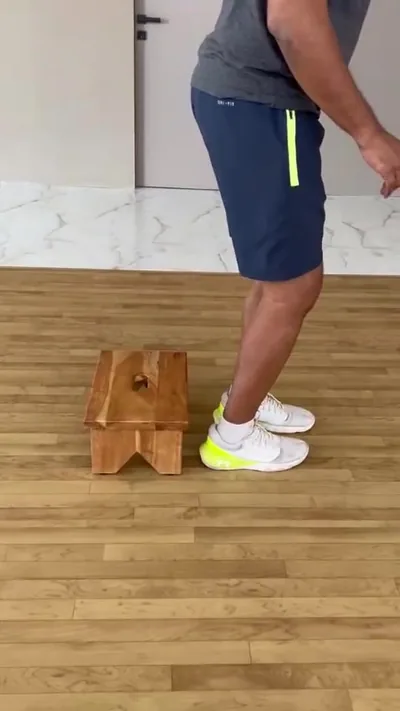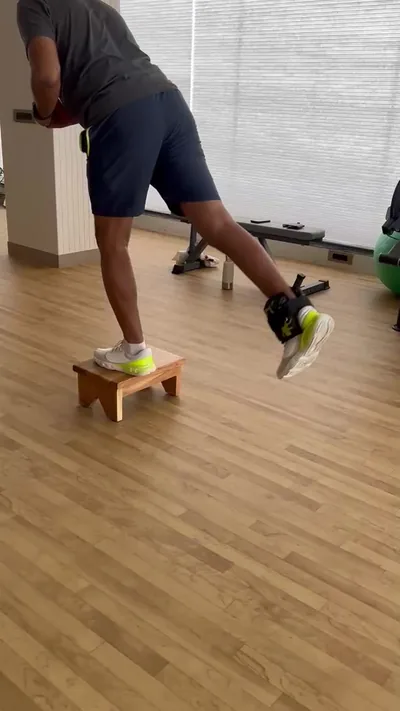
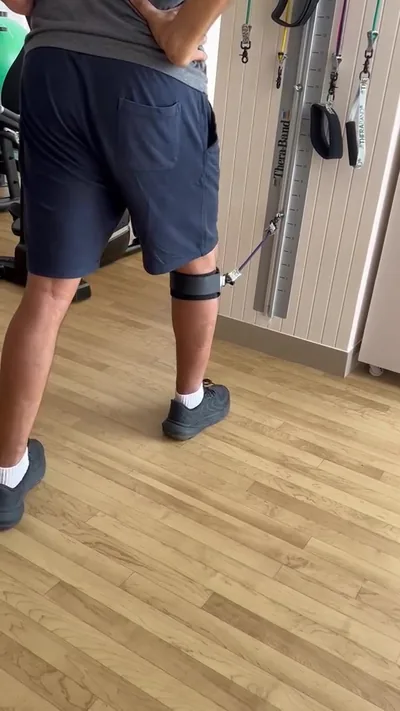
Backward Walking in ACL Rehab Phase 2
Backward walking helps athletes recover from ACL injuries. It builds knee stability in Phase 2 of rehab. This exercise targets quadriceps and improves control after surgery…
Read article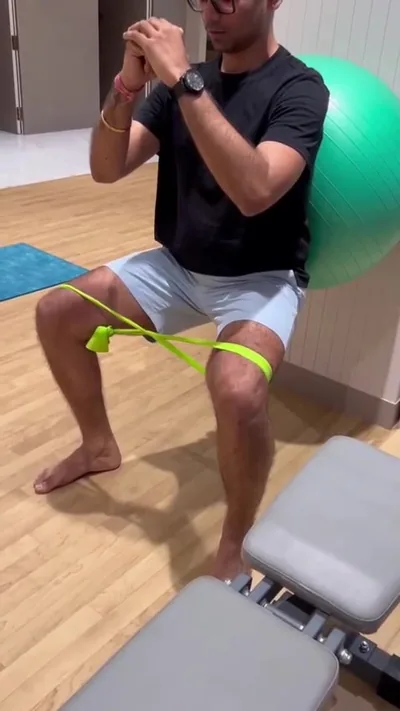
After ACL reconstruction, your knee may feel unstable. The graft can buckle or give way. Active youth in Jaipur often face this in recovery. Daily checks spot issues early. They build confidence for sports return.
These self-tests focus on stability. They prevent graft failure. Pair them with physio guidance. Recovery varies. A physiotherapist assesses your knee in person for a safe plan.
Trivayu Physio Center in Vaishali Nagar helps with post-ACL rehab. Their team handles sports knee injuries common in Jaipur.
ACL graft buckling means the new ligament folds or shifts under load. It feels like the knee giving way. This occurs in early recovery as the graft settles.
Causes include muscle weakness around the knee. Quads and hamstrings need strength. Improper healing or poor graft integration contributes. Sudden twists or scar tissue can trigger it. In Jaipur’s cricket fields or football grounds, quick cuts increase this risk for youth.
Symptoms: knee buckling during steps or turns, slip or wobble. Pain or swelling may follow. For active youth, this risks further injury in cricket or football. You might notice it first on uneven roads or during a jog. Looking for a Rehabilitation Centre Near Me? Our team in Vaishali Nagar, Jaipur can assess you in person.
Early checks catch symptoms before they worsen. This aids graft stability. A physio checks gait and joint play. They watch how your knee tracks during movement.
Routine self-assessments prevent buckling. They train your body to sense instability. This supports graft integration. You notice subtle shifts to rest or adjust.
Daily practice aids sports return. Strong stability reduces re-injury risk. It fits post-ACL rehab phases. In Jaipur’s active scene, consistent checks help youth resume kabaddi or badminton safely.
Do checks morning and evening. Note changes, like wobble after walking. Share log with physio. Keep a simple notebook: date, activity before test, any wobble or fatigue. More on Knee Pain Treatment and how we assess it.
Perform at home. Use a mirror. Stop if pain increases. Do 2-3 times daily. Breathe steadily. Wear supportive shoes if needed. Warm up with gentle marches first.
Single-leg stance test:
Physios use this for proprioception, knee position sense. It reveals if your brain-knee connection lags post-surgery.
Squat control test:
Keep kneecap centred. If unstable, reduce depth to 20 degrees.
Step-down test:
Note shaking, giving way or fatigue. Track: date, test, symptoms, pain 0-10. Share with physio. Limit weight-bearing if unstable. If step-down fails often, stick to double-leg work.
Additional check: Forward lunge test:
This mimics sports starts. Do 5 reps per side. Stop at first buckle.
Build quads, hamstrings, glutes and balance to prevent buckling. Start after physio clearance. Focus on form. Do 2-3 sets, 3 times a week. Rest 48 hours between sessions.
Progress with reps, time or bands. A physio corrects form. They ensure no compensatory hip tilt.
Weeks 1-4: Reduce swelling, regain motion. Use crutches, brace. Focus on heel slides, quad sets. Expect stiffness; gentle bends help.
Weeks 4-12: Strength, walking, biking. Add closed-chain squats. Pool walking if available eases load.
Weeks 12-24: Agility drills, jogging. Single-leg work ramps up. Months 6-9: Sport-specific pivots, like cutting in football.
Full sports return takes 9-12 months or more. Physios stage it: protect graft first, then build power.
Expect ups and downs. Track checks for patterns. Physios monitor with tests like Lachman for laxity, pivot-shift for rotation. They measure quad girth to spot weakness. You may also find ACL Graft Buckling Tests Before Sport useful.
Prevent failure: Avoid overload. Build muscle symmetrically. Warm up before activity. In Jaipur heat, hydrate to avoid fatigue slips.
Failure risks from overload or imbalance. Checks spot weakness. Strengthen slowly: quads first, then hamstrings.
Physio uses progressive loading. Balance prevents knee collapse inward, called dynamic valgus. Core strength aids control. Planks build this base.
For Jaipur sports, add sport-specific drills later: ladder runs for cricket agility. Rest if buckling occurs. Brace during pivots if advised.
Watch non-contact twists, like stepping off kerbs. Symmetric strength cuts risk; test both legs weekly.
Buckling feels like sudden shift underfoot. It differs from pain: more a loss of trust in the knee. Common triggers: stairs down, quick stops, uneven Jaipur streets.
Log details: Does it buckle inward (valgus) or straighten too much (hyperextension)? Time of day? After fatigue? This guides physio tweaks.
If buckling pairs with pop or grind, note it. Daily checks turn vague worry into clear data.
Red flags: Worsening buckling, swelling, persistent pain, sudden giving way, clicks, locking, night pain. Also new limp or quad shutdown, where thigh muscle quits.
Trivayu Physio Center, Vaishali Nagar, at 204, 2nd Floor, Om Tower, Gandhi Path Road, Nemi Nagar. Also Vidyadhar Nagar, Rangoli Gardens. Open Mon-Sat 8 am-8 pm, Sun 10 am-1 pm.
Team: Dr. Jyoti Choudhary, senior sports physiotherapist, 17+ years, works with Rajasthan Senior Women’s Cricket Team. Dr. Hritika Choudhary for post-op rehab.
Orthopaedic Rehabilitation targets knee recovery. Book for assessment. Call +91 90570 65065 or WhatsApp. Full exam: range, strength, balance, stability tests.
Expect: History review, movement analysis, manual checks. They tailor post-ACL plan to your sport.
Pace activities. Avoid early pivots. Use good posture, engage core. Ice if swollen. Elevate post-activity.
Electrotherapy eases swelling. Manual Therapy releases tissues.
Integrate checks into routine. Progress to dynamic tests like figure-8 walks. Get personalised physio plan. For Jaipur youth, confidence grows with team drills under guidance.
Muscle weakness, poor healing, overload. Weak quads, swelling or scar tissue. Early graft laxity too.
Single-leg stance, squat, step-down, lunge tests. Note wobble. Log daily with triggers.
If buckling repeats, pain or swelling grows. Assess soon for adjustments.
Quad, hamstring, glute, balance work supports stability. Core and hip strength key.
Some early on, but frequent needs checks. Fades with strength and proprioception.
Phases last months; sports return 9-12 months or more. Graft matures over time.
Stop, ice, log it. Physio assesses for clearance to progress.
Daily checks empower recovery. Book at Trivayu Physio Center. WhatsApp or call +91 90570 65065.
Physiotherapy is not the right first step for everything. Seek medical assessment promptly if any of the following apply to you:
If you lose control of your bladder or bowels, develop numbness around the groin, or have chest pain or breathlessness, treat it as an emergency and go to hospital.
Truly thankful to Dr. Jyoti Choudhary and the entire team of Trivayu Physio Centre for their genuine care, humble behaviour, and excellent treatment.
Mahesh Dhaka, Google review
This is one patient's own account, published with consent on our reviews page. It describes their experience, not a predicted outcome. Individual results vary.
Backward walking helps athletes recover from ACL injuries. It builds knee stability in Phase 2 of rehab. This exercise targets quadriceps and improves control after surgery…
Read articleAfter ACL surgery, rebuilding knee strength takes time and care. ACL rehabilitation phases guide this process step by step. Phase 1 protects the graft and cuts…
Read articleAfter hip replacement surgery, dressing your lower body safely helps build independence. By week 6 of hip replacement recovery, many patients aim to dress without help.…
Read articleMessage us on WhatsApp with your main concern and preferred time, and we'll confirm your first visit the same day.