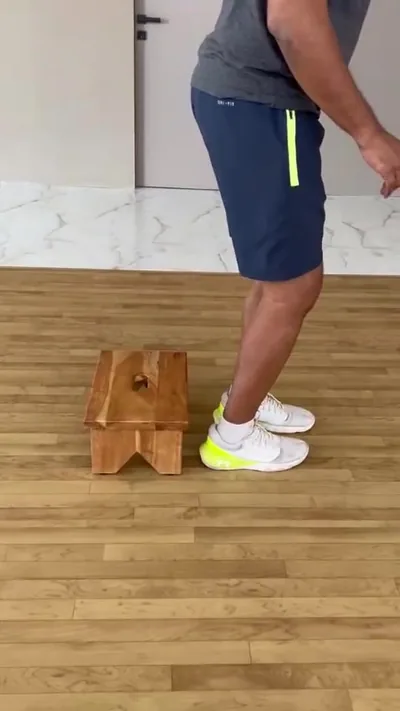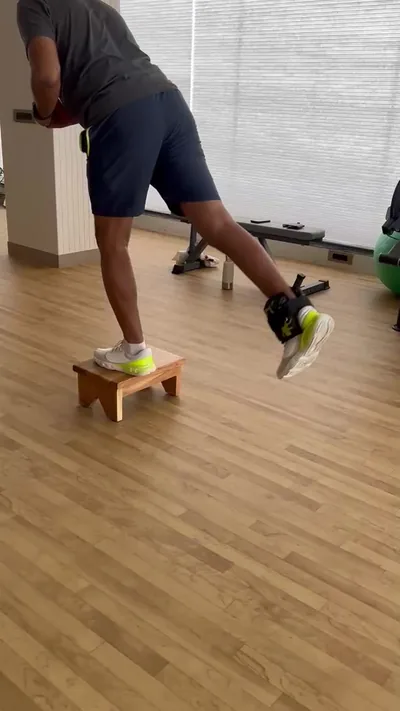
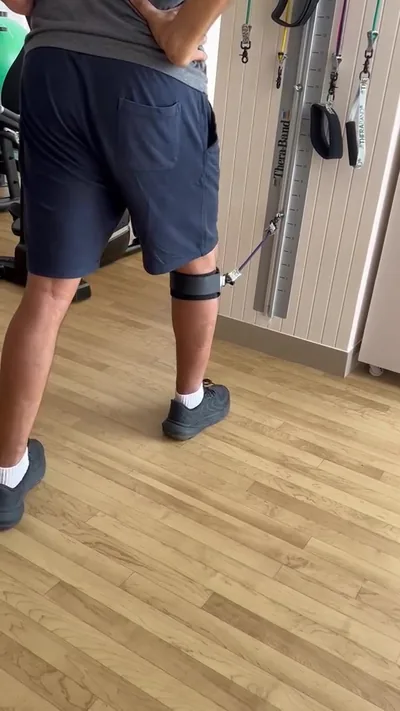
Backward Walking in ACL Rehab Phase 2
Backward walking helps athletes recover from ACL injuries. It builds knee stability in Phase 2 of rehab. This exercise targets quadriceps and improves control after surgery…
Read article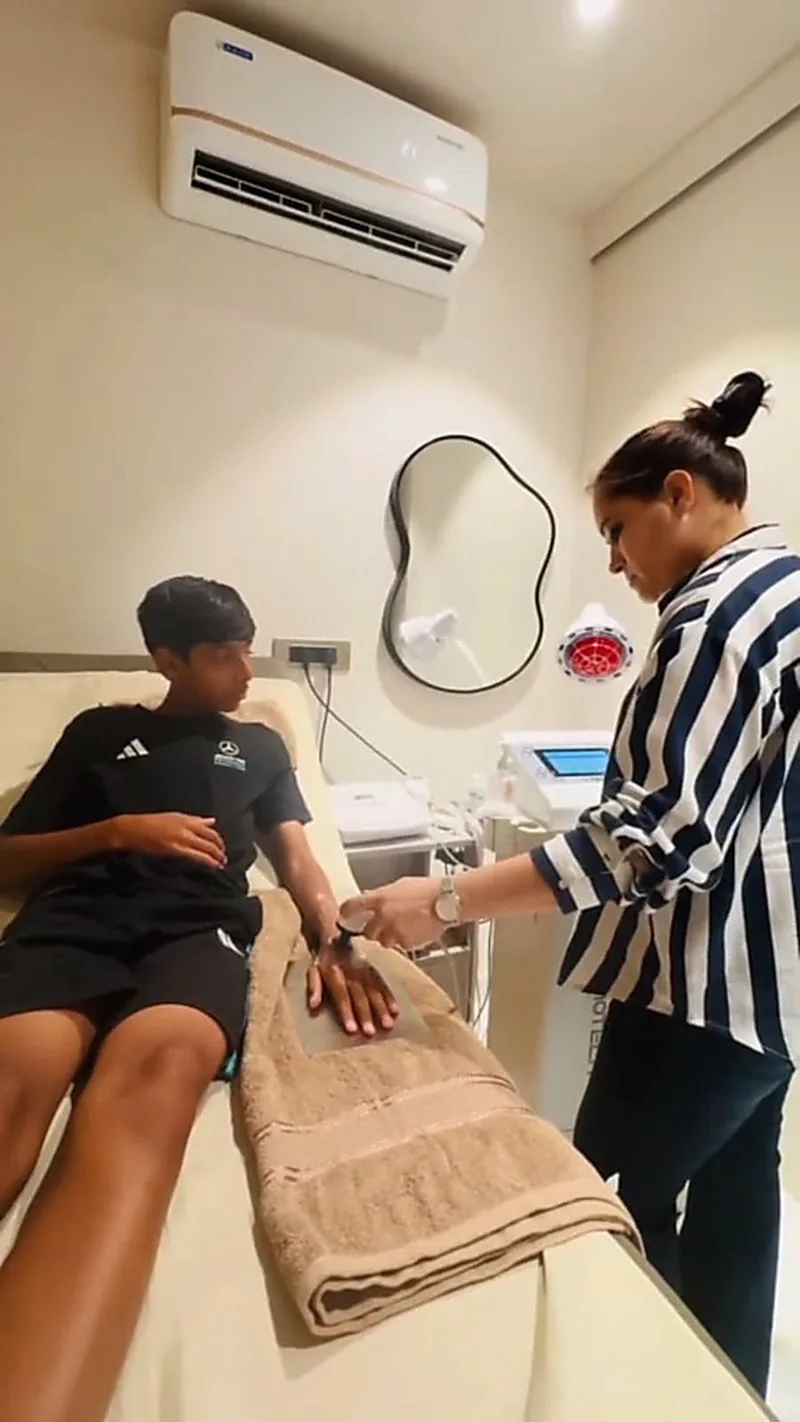

The short answer
Wrist pain from scooter riding in Jaipur arises from prolonged gripping, constant vibration and awkward wrist angles in stop-and-go traffic. Simple changes in posture, such as keeping wrists straight, elbows slightly bent and shoulders relaxed, ease discomfort. Relaxed grip techniques and padded gloves further reduce strain.
Daily riding in Jaipur traffic often leads to wrist pain from scooter riding. Prolonged gripping, constant vibration and awkward wrist angles add up over time. Simple changes in posture and grip can ease the discomfort for many commuters.
This article explains why the pain starts and offers clear, practical steps you can use straight away. If the pain continues, professional help from a physiotherapist can help reduce it from becoming a long-term issue.
Jaipur roads keep riders in stop-and-go traffic for long periods. The need to grip the handlebars tightly for hours creates strain on the wrists. Vibration from the engine and rough road surfaces travels through the handlebars and adds to forearm fatigue.
Awkward wrist angles appear when riders lean forward or reach too far for the bars. This position can lead to nerve compression while riding. Repeated exposure to these factors often results in pain, stiffness or tingling by the end of the commute.
Many riders notice the discomfort increases during peak traffic hours when frequent braking and acceleration force sudden changes in grip pressure. Without proper riding posture the wrists stay bent for too long, which adds stress to muscles, tendons and nerves.
Adjust your scooter seat so that your knees stay slightly bent when the foot is on the ground. This helps keep your upper body upright and reduces forward lean that strains the wrists.
Set the handlebar reach so your elbows stay slightly bent. A relaxed shoulder position helps reduce the arms from locking and keeps the wrists in a neutral wrist position. The goal is to avoid extreme bending up or down at the wrist while holding the bars. Looking for a Physiotherapy Near Me? Our team in Vaishali Nagar, Jaipur can assess you in person.
Keep your shoulders dropped and away from your ears. This simple adjustment takes pressure off the neck and arms during daily commutes. Check your posture every few kilometres by relaxing your grip for a moment at a traffic stop.
Hold the handlebars with relaxed fingers rather than a tight clench. Even pressure distribution across the palm reduces hotspots that lead to pain. Avoid wrapping the thumb too tightly around the grip.
Use padded grips or good quality riding gloves to dampen vibration from handlebars. This small change helps limit the amount of vibration that reaches the wrist joints and reduces forearm fatigue.
Change your hand position slightly from time to time when safe. Alternate between a slightly wider and narrower grip to help reduce one set of muscles from becoming overloaded during long rides in Jaipur traffic.
At traffic lights, perform a simple wrist stretch by gently extending your arm and pulling the fingers back with the other hand. Hold for 10 to 15 seconds on each side. This helps ease tension from prolonged gripping. Read more about our Pain Management.
Shake your hands loosely at the wrist to release built-up tension. Small circles with the wrists in both directions can also reduce stiffness without leaving the scooter.
Try a quick forearm stretch by extending one arm straight and using the opposite hand to pull the fingers downward. These movements improve blood flow and reduce nerve compression while riding. Perform them only when the scooter is fully stopped.
If wrist pain from scooter riding continues after making posture and grip changes, it is time to seek help. Persistent pain, numbness, swelling or weakness are signs that home adjustments are not enough.
A physiotherapist can assess your riding posture and provide targeted manual therapy, posture correction exercises and pain management techniques. Treatments may include advanced electrotherapy, dry needling or clinical pilates to strengthen supporting muscles and improve scooter ergonomics.
At Trivayu Physio Center in Vaishali Nagar and Vidyadhar Nagar, the team offers services for wrist pain while riding bike, scooter handlebar pain relief and daily commuter wrist care. They help with long-term injury rehabilitation and give clear explanations of each step.
Repeated gripping, road vibration and awkward wrist positions during stop-and-go traffic create muscle strain and nerve pressure. Poor scooter ergonomics and forward leaning add to forearm fatigue over time. You may also find Wrist Pain from Laptop Use: Simple Strengthening Exercises useful.
The correct wrist position is neutral, with the wrist kept straight rather than bent up or down. Elbows should stay slightly bent and shoulders relaxed to maintain this position during the ride.
Use padded grips or riding gloves, maintain proper riding posture, relax your grip pressure and take short breaks to shake out the hands when stopped. These steps help limit vibration reaching the wrists.
Yes. At red lights you can gently stretch the wrist into extension and flexion, perform small wrist circles and shake the hands loosely. These movements ease tension without getting off the scooter.
See a physiotherapist when pain lasts more than a few days despite posture changes, or if you notice numbness, swelling or weakness. Early assessment helps reduce the problem from becoming chronic.
Small changes in posture, grip and daily habits can reduce wrist pain from scooter riding in Jaipur. Start with the adjustments described above and observe how your wrists feel after a week of commuting.
If discomfort continues, book an assessment at Trivayu Physio Center. Our team will examine your riding posture and create a plan to help you ride more comfortably. Call +91 90570 65065 or message on WhatsApp to arrange a convenient time.
Physiotherapy is not the right first step for everything. Seek medical assessment promptly if any of the following apply to you:
If you lose control of your bladder or bowels, develop numbness around the groin, or have chest pain or breathlessness, treat it as an emergency and go to hospital.
Backward walking helps athletes recover from ACL injuries. It builds knee stability in Phase 2 of rehab. This exercise targets quadriceps and improves control after surgery…
Read articleAfter ACL surgery, rebuilding knee strength takes time and care. ACL rehabilitation phases guide this process step by step. Phase 1 protects the graft and cuts…
Read articleAfter hip replacement surgery, dressing your lower body safely helps build independence. By week 6 of hip replacement recovery, many patients aim to dress without help.…
Read articleMessage us on WhatsApp with your main concern and preferred time, and we'll confirm your first visit the same day.