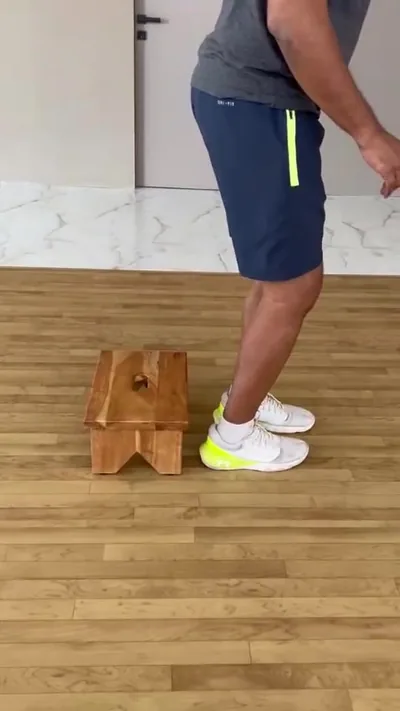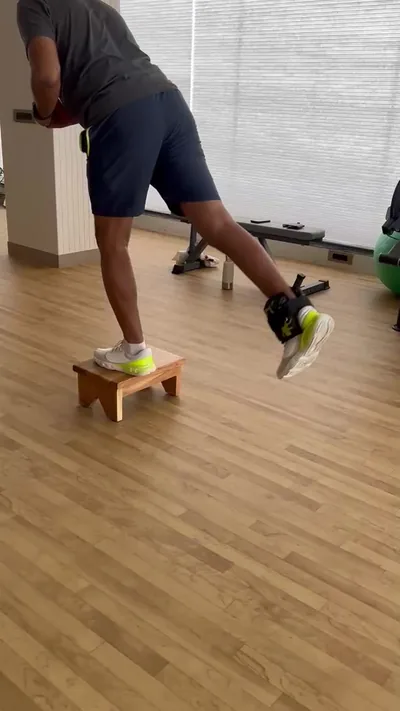
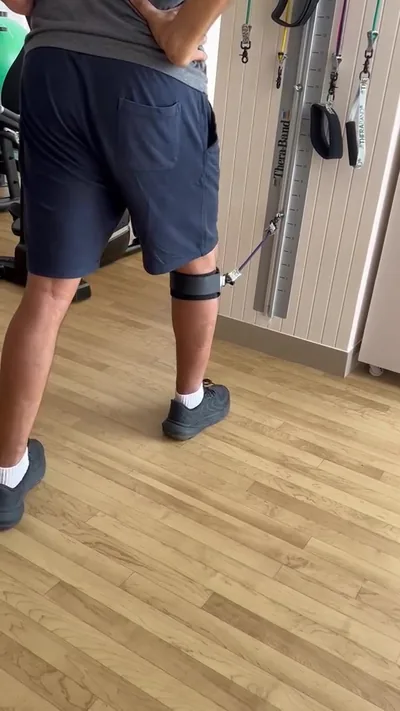
Backward Walking in ACL Rehab Phase 2
Backward walking helps athletes recover from ACL injuries. It builds knee stability in Phase 2 of rehab. This exercise targets quadriceps and improves control after surgery…
Read article

Fast bowlers in Jaipur club cricket face high risk of knee strain from repetitive overload. The knee absorbs massive forces during bowling action. Poor preparation worsens this. A good warm-up routine helps protect knees and keeps you on the field.
This guide shares simple steps for cricket bowling warm up routine. It targets fast bowler knee protection. Club cricketers can use these to prevent knee strain bowling. For ongoing issues, seek Jaipur cricket physio help. These steps draw from standard physiotherapy approaches to sports preparation.
Warm-ups boost blood flow, loosen muscles, and improve joint mobility. They cut injury risk without needing fancy gear. Start every session right to avoid bowler knee strain Jaipur. Expect gradual improvements in knee comfort with regular use.
Fast bowling puts huge stress on knees. Each delivery involves quick turns, lunges, and braking. The front knee bends sharply under body weight and ball speed. Over time, this leads to overload.
Club cricketers often bowl long spells in local matches. Repetition without rest causes micro-trauma in knee tissues. Common spots include patellar tendon and joint surfaces. Factors like poor turf or tight muscles add load. Jaipur pitches, often dry and hard, increase impact on landing.
Prevention matters for longevity in cricket. Stopping early strain avoids bigger problems. Bowlers who ignore early signs face downtime. Focus on habits that support knee health during practice. Track how your knees feel after each spell to spot patterns early. Looking for a Rehabilitation Centre Near Me? Our team in Vaishali Nagar, Jaipur can assess you in person.
Warm-ups prepare the body for intense action. They raise muscle temperature and heart rate. This makes tissues more elastic, reducing tear risk under load.
Poor prep leads to strain. Cold muscles stiffen joints. Sudden bowling shocks the knee. Jaipur bowlers on hard pitches suffer more without warm-up. A physiotherapist would first check your bowling action for alignment issues that amplify knee stress.
Benefits include better bowling injury prevention. Knees handle forces smoothly. Club players stay consistent. Regular routines build resilience over seasons. Combine with cool-down stretches to aid recovery between sessions.
Keep it dynamic and knee-focused. Do 10-15 minutes before bowling. Move progressively from light to sport-specific. Breathe steadily. Stop if you feel sharp pain.
End with 2-3 sub-maximum practice deliveries. Build speed gradually. This cricket warm up exercises routine fits club sessions easily. Adjust reps based on how your body responds that day.
Beyond basics, add strengthening twice weekly. Target quads, hamstrings, and glutes for knee support. A physiotherapist assesses muscle balance first to tailor exercises safely.
Check bowling posture. Avoid excessive front knee valgus bend—where knee collapses inward. Land with even weight distribution. Video your action if possible. Clinical Pilates helps refine this control through core and alignment work. More on Knee Pain Treatment and how we assess it.
For persistent knee pain fast bowlers feel, Manual Therapy eases tight tissues. Orthopaedic Rehabilitation builds safe strength. Electrotherapy reduces inflammation after heavy sessions. These fit after assessment. Expect initial sessions to include gait analysis and action review.
Prevent knee strain bowling with off-field habits. Wear supportive shoes with good cushioning for Jaipur’s uneven turfs. Replace spikes when worn. Ice knees for 10-15 minutes post-session if tender—wrap in cloth to avoid skin burn.
Hydrate well; dehydration stiffens muscles. Foam roll quads and calves daily to release tightness. A physio shows proper technique to avoid bruising tissues. Rest one day between bowling sessions. Cross-train with swimming to build fitness without knee load.
Monitor workload. Limit overs in practice to match game demands. Gradually increase speed in warm-ups. Jaipur cricket physio often spots action flaws like over-striding, which overloads the front knee. Correct these early through targeted drills.
Watch for swelling, sharp pain, or instability after bowling. Limping or pain on stairs signals overload. Do not push through. Rest, ice, and elevate first, but get checked if no improvement in 48 hours. You may also find Cricket Fast Bowling Knee Strain Warm-Ups Jaipur useful.
Trivayu Physio Center in Vaishali Nagar, Jaipur treats sports issues. Also at Vidyadhar Nagar, Rangoli Gardens. Open Mon-Sat 8 am to 8 pm, Sun 10 am to 1 pm.
Team includes Dr. Jyoti Choudhary, senior sports physiotherapist with 17+ years. She works with Rajasthan Women’s Cricket Team. Dr. Hritika Choudhary handles advanced rehab. Others support knee recovery.
Book in-person assessment. They use techniques like dry needling and electrotherapy for cricket knee injury prevention. First visit covers history, tests knee strength and movement, and plans your return to bowling. Follow-up tracks progress.
Warm-ups increase blood flow and flexibility. Muscles absorb shock better. Knees face less sudden stress in fast bowling. Dynamic moves match bowling demands.
Overuse strains like patellar tendinopathy top the list. Ligament overload and joint irritation follow from repetitive braking. Front knee bears most force.
Trivayu Physio Center, Vaishali Nagar or Vidyadhar Nagar. Experts in bowler knee strain Jaipur. Convenient for club cricketers.
Dynamic warm-ups like lunges and swings. Strength moves such as squats and bridges build support. Add single-leg work for balance.
If pain lasts post-rest, swells, or changes your action. Get checked before it worsens. Early input prevents long lay-offs.
They test knee range, strength, and hop stability. Review bowling video for technique faults. Palpate for tender spots. Plan includes load management.
Build these habits for pain-free bowling. Consistent prevention keeps you playing. Recovery varies, so assess issues early. Jaipur fast bowlers thrive with smart prep.
Book an assessment at Trivayu Physio Center. WhatsApp +91 90570 65065 or call.
Physiotherapy is not the right first step for everything. Seek medical assessment promptly if any of the following apply to you:
If you lose control of your bladder or bowels, develop numbness around the groin, or have chest pain or breathlessness, treat it as an emergency and go to hospital.
Truly thankful to Dr. Jyoti Choudhary and the entire team of Trivayu Physio Centre for their genuine care, humble behaviour, and excellent treatment.
Mahesh Dhaka, Google review
This is one patient's own account, published with consent on our reviews page. It describes their experience, not a predicted outcome. Individual results vary.
Backward walking helps athletes recover from ACL injuries. It builds knee stability in Phase 2 of rehab. This exercise targets quadriceps and improves control after surgery…
Read articleAfter ACL surgery, rebuilding knee strength takes time and care. ACL rehabilitation phases guide this process step by step. Phase 1 protects the graft and cuts…
Read articleAfter hip replacement surgery, dressing your lower body safely helps build independence. By week 6 of hip replacement recovery, many patients aim to dress without help.…
Read articleMessage us on WhatsApp with your main concern and preferred time, and we'll confirm your first visit the same day.