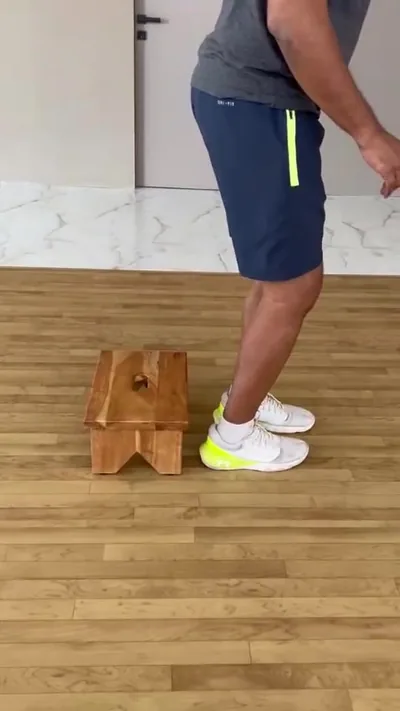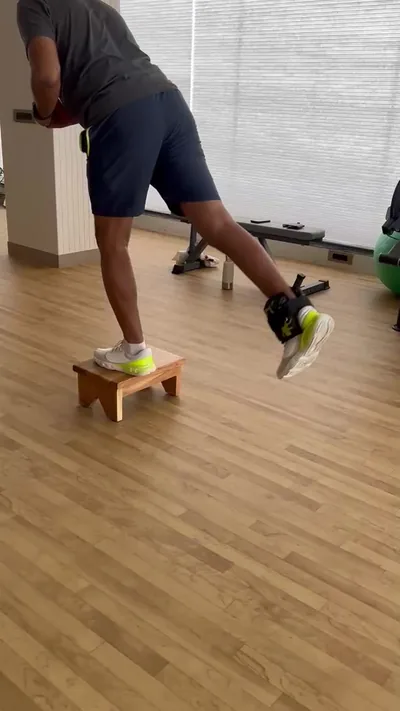
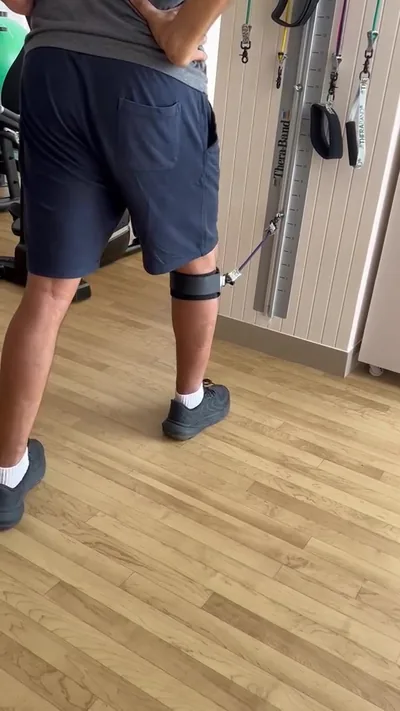
Backward Walking in ACL Rehab Phase 2
Backward walking helps athletes recover from ACL injuries. It builds knee stability in Phase 2 of rehab. This exercise targets quadriceps and improves control after surgery…
Read article
ACL reconstruction surgery repairs a torn anterior cruciate ligament in the knee. This procedure helps athletes return to sports. Squats build knee strength after ACL surgery. Rushing squat depth risks re-injury. Safe progression matters. Trivayu Physio Center in Vaishali Nagar provides hands-on guidance.
Controlled squat depth protects the graft during recovery. Start shallow and deepen gradually. Sports rehab experts ensure progressive squat loading fits your needs. They check knee stability and muscle balance.
This guide explains when and how to increase squat depth safely. It draws from orthopaedic physio practices. Always seek in-person assessment for personal advice. A physio examines your knee’s range, strength, and swelling to create your plan.
ACL surgery replaces the torn ligament with a graft. The graft needs time to heal into bone tunnels. Early stress can stretch or tear it. Recovery protects the new ligament while rebuilding strength. Looking for a Physiotherapist Near Me? Our team in Vaishali Nagar, Jaipur can assess you in person.
Squats strengthen quadriceps, hamstrings, and glutes around the knee. These muscles stabilise the joint during sports like football or cricket. Squat depth must be controlled. Full squats too soon stress the graft. Partial squats first restore strength.
Depth matters because the knee joint needs time to stabilise. The tibia must not slide forward on the femur. Poor progression leads to pain or swelling. Trivayu uses exercise therapy to teach safe squats. Physios apply manual therapy to loosen tight tissues before squats. Read more about our Orthopaedic Physiotherapy.
First weeks post-op reduce swelling and regain motion. Ice, elevation, and compression help. Avoid deep knee bends to protect the graft. Start with isometric exercises like quad sets. Contract thigh muscle, hold 5-10 seconds, relax. Repeat 10-15 times per set.
Progress to quarter squats. Stand feet shoulder-width, back straight. Bend knees to 20-30 degrees, push through heels to stand. Use chair or wall for support. Do 3 sets of 10 reps daily if pain-free.
Advance with full knee extension, no swelling after activity, walking without limp. Trivayu offers post-surgery rehab with electrotherapy to reduce inflammation.
Readiness signs guide squat progression. Markers: pain-free range 0-120 degrees flexion, strength symmetry, no effusion. Test with single-leg stance: hold 30 seconds without wobble.
Other checks: hop tests comparing legs. Balance on foam pad. Timelines vary by graft type, age, fitness. Many reach half squats by 3-4 months. Deeper at 6 months or later. Return to sports may take 9-12 months. You may also find Single Leg Squats in ACL Rehab Phase 3 Jaipur useful.
Physio assessment at Trivayu checks these. Dr. Jyoti Choudhary uses hop distance, Y-balance, Lachman test. She measures thigh circumference. Book in-person check for your plan. Expect gait analysis.
Follow this under supervision. Physio demonstrates, corrects form, adds resistance bands.
Use manual therapy for patella mobilisation, myofascial release for IT band. Dry needling for quads. Pause if swelling or pain over 3/10. Sessions include warm-up, squats, stretches.
Over-progressing strains the graft. Stick to criteria. Track reps, depth, swelling in journal.
Poor form causes knee valgus. Knees cave inward. Film form. Keep weight through heels. Squeeze glutes before lowering.
Trivayu team monitors form, uses biofeedback.
Operated leg loses strength. Measure with dynamometer. Balance quads and hamstrings with Nordic curls.
Build explosive power later with plyometrics like box jumps after eccentric control. Trivayu progresses to single-leg squats.
Trivayu tailors rehab. Team: Dr. Hritika Choudhary for post-op, Dr. Jyoti for sports, Dr. Ishu Sharma for exercise therapy. Use Clinical Pilates, electrotherapy.
Visit Vaishali Nagar or Vidyadhar Nagar. Home visits, online consultations available.
Partial at 4-6 weeks if swelling down, motion good. Full takes months. Get physio assessment.
Advance on strength and tests. Use quarter to full steps. Add hip, ankle drills.
No pain/swelling, equal strength, stable balance. Physio confirms with tests.
Yes, shallow after clearance. Professional oversight safer; send videos.
Assess readiness, correct form, use dry needling, manual therapy.
Stop, ice 15 minutes, elevate. See physio.
Safe progression rebuilds confidence. Progress with expert help.
Book assessment at Trivayu Physio Center today. WhatsApp or call +91 90570 65065.
Physiotherapy is not the right first step for everything. Seek medical assessment promptly if any of the following apply to you:
If you lose control of your bladder or bowels, develop numbness around the groin, or have chest pain or breathlessness, treat it as an emergency and go to hospital.
Truly thankful to Dr. Jyoti Choudhary and the entire team of Trivayu Physio Centre for their genuine care, humble behaviour, and excellent treatment.
Mahesh Dhaka, Google review
This is one patient's own account, published with consent on our reviews page. It describes their experience, not a predicted outcome. Individual results vary.
Backward walking helps athletes recover from ACL injuries. It builds knee stability in Phase 2 of rehab. This exercise targets quadriceps and improves control after surgery…
Read articleAfter ACL surgery, rebuilding knee strength takes time and care. ACL rehabilitation phases guide this process step by step. Phase 1 protects the graft and cuts…
Read articleAfter hip replacement surgery, dressing your lower body safely helps build independence. By week 6 of hip replacement recovery, many patients aim to dress without help.…
Read articleMessage us on WhatsApp with your main concern and preferred time, and we'll confirm your first visit the same day.