Backward Walking in ACL Rehab Phase 2
Backward walking helps athletes recover from ACL injuries. It builds knee stability in Phase 2 of rehab. This exercise targets quadriceps and improves control after surgery…
Read article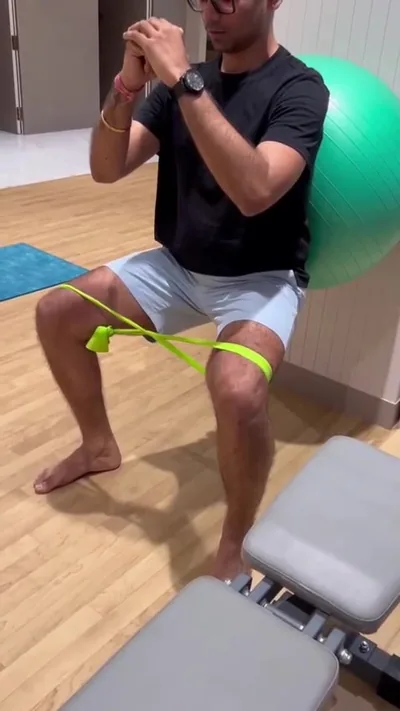
An ACL tear often follows a sudden twist or pivot in sports like football or badminton. It damages the anterior cruciate ligament in your knee. This ligament keeps your knee stable during quick changes in direction. After an ACL tear, many choose surgery to rebuild the ligament using a graft from your hamstring or patellar tendon. Recovery then focuses on protecting that graft while rebuilding strength and control.
ACL recovery spans months. It starts right after surgery with gentle moves to reduce swelling and regain knee bend. Early phase protects the graft—no deep knee bends or twisting. Mid phase builds basic strength with two-leg exercises like mini squats. Late phase adds single-leg work for sports return. At Trivayu Physio Center in Vaishali Nagar, Jaipur, we guide patients through these stages safely.
Full recovery varies by person. Factors include your age, fitness before injury, and how well you follow rehab. Always get an in-person assessment for a plan suited to you.
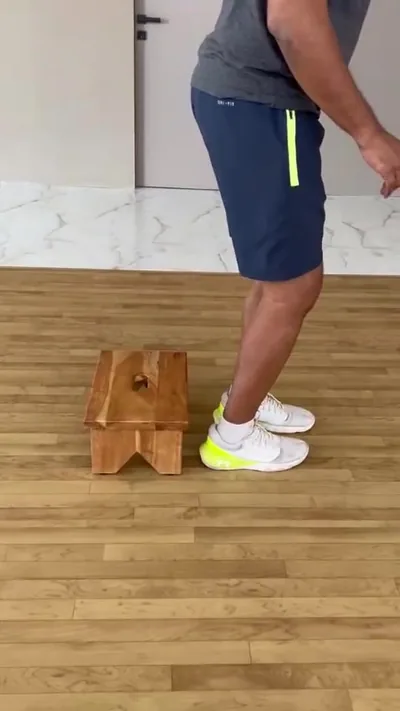
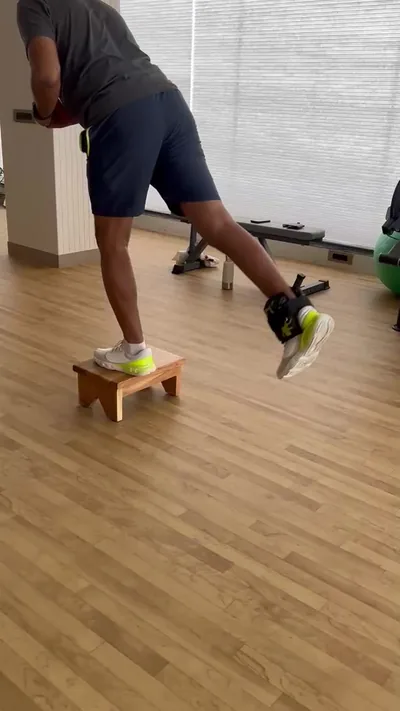
The ACL single leg deadlift is a single-leg hinge movement. You stand on one leg, usually the surgical one. Bend at the hips to lower your torso while lifting the other leg back. Keep your back straight and knee slightly bent. This builds single-leg strength in hips, glutes, hamstrings, and core. It improves control for single-leg landings, common in sports.
In late ACL recovery, it fits after you regain basic strength and balance. It challenges proprioception—your body’s sense of joint position—which often weakens after ACL injury or surgery. Better proprioception helps prevent awkward knee positions during play.
A physiotherapist would check your readiness with tests like single-leg stance time or hop distance. They watch your knee alignment and graft stability before approving this move. Looking for a Physiotherapy Clinic Near Me? Our team in Vaishali Nagar, Jaipur can assess you in person.
ACL rehab follows stages to protect the graft and rebuild function. Early phase (first 2-4 weeks post-surgery) controls swelling, restores full knee extension, and starts quad sets. No weight-bearing on the surgical leg at first.
Mid phase (weeks 4-12) adds closed-chain exercises like wall sits or double-leg bridges. Focus shifts to quad and hamstring strength without stressing the graft.
Late phase (after 3-4 months) targets single-leg strength training. Single leg deadlifts come here, after you master pain-free double-leg squats, lunges, and single-leg balance holds. This progression ensures your knee handles uneven loads, like landing on one leg in cricket or pivoting in kabaddi.
Athletes need this for sports rehab. Single-leg power prepares for running, cutting, and jumping. It links to our Sports Injury & Rehab service, where we tailor drills to your sport.
What to expect in physio sessions: Your therapist demonstrates form, spots you during sets, and adjusts based on feedback. They measure progress with tools like a goniometer for knee angle or tape for leg strength symmetry.
Choose a quiet space with a mirror to check form. Wear supportive shoes with good grip. Stand tall on your surgical leg, arms at sides or holding light dumbbells later. More on Sciatica Treatment and how we assess it.
Aim for 8-10 reps per side, 2-3 sets. Start bodyweight only. Add weight only after 4 weeks of perfect form. Rest 1-2 minutes between sets. Breathe: Exhale on lift, inhale on hinge.
Form cues: Eyes forward 2-3 metres ahead. Core braced like bracing for a punch. Hinge until torso parallel to floor or tight hamstring stretch—whichever comes first.
Prerequisites: Pain-free deep squats to 90 degrees. Hold single-leg balance 30-60 seconds without wobble. Equal quad strength side-to-side. If missing these, stick to easier moves like single-leg bridges first.
Once single-leg deadlifts feel strong, advance to variations. Hold a kettlebell for added load. Progress to single-leg Romanian deadlifts with a slight knee bend focus. Pair with proprioception drills like single-leg stands on foam pads—eyes closed for 20 seconds to retrain balance.
Post-ACL surgery balance work starts simple: Tandem stance (heel-to-toe). Advance to star excursion reaches—reach in 8 directions on one leg without falling. These protect the graft by improving knee stability. You may also find Single Leg Deadlifts in ACL Rehab Phase 3 useful.
Functional knee exercises mimic sport: Lateral lunges for side cuts, step-ups for stairs or hurdles. Single-leg box jumps come last, after hop tests pass physio checks. A therapist progresses you based on pain-free performance and no swelling after sessions.
This exercise boosts single-leg stability and posterior chain strength. It retrains proprioception damaged in ACL tears, reducing re-injury risk from poor landing control. Hip and knee muscles learn to fire together smoothly.
For sports rehab, it builds power for explosive moves—sprint starts, jumps, directional changes. Athletes report better confidence on uneven fields. Pair it with Orthopaedic Rehabilitation for structured knee work. Manual Therapy releases tight hips or calves beforehand. Electrotherapy can calm swelling if needed.
Graft protection matters: Good form avoids shear forces on the new ligament. Full programs include agility ladders or cone drills later.
Monitor for sharp knee pain, new swelling, clicking, or buckling. Stop immediately—these signal graft stress or issues. No twisting or jumping until cleared. Ice after sessions if sore. Protect graft by avoiding fatigue—stop if form breaks.
See a physio promptly if pain persists over 24 hours, asymmetry grows, or you fear re-injury. At Trivayu Physio Center, Dr. Jyoti Choudhary leads sports rehab with focus on knee recovery. Our team uses hands-on checks for safety. Book an in-person assessment to test your stage.
Late phase, after pain-free squats, lunges, and basic single-leg balance. Often 4-6 months post-surgery, but physio tests decide.
Yes, with perfect form, prerequisites met, and supervision. Slow start protects graft.
Builds strength, balance, proprioception. Prepares for sports via single-leg control.
Warm up 10 minutes. Mirror check. Stop at pain. Slow progression. Physio oversight.
It strengthens protectors around knee. Good form cuts strain. Needs full rehab program.
ACL tear disrupts joint sense. Drills like single-leg deadlifts retrain it for stable landings.
ACL recovery demands patience and guidance. Single-leg deadlifts aid late stages, but fit into full plan with strength, balance, and sport drills. At Trivayu, we tailor to your needs. Contact us via WhatsApp at +91 90576 65065 or call +91 90576 65065. Book your assessment today.
Physiotherapy is not the right first step for everything. Seek medical assessment promptly if any of the following apply to you:
If you lose control of your bladder or bowels, develop numbness around the groin, or have chest pain or breathlessness, treat it as an emergency and go to hospital.
Truly thankful to Dr. Jyoti Choudhary and the entire team of Trivayu Physio Centre for their genuine care, humble behaviour, and excellent treatment.
Mahesh Dhaka, Google review
This is one patient's own account, published with consent on our reviews page. It describes their experience, not a predicted outcome. Individual results vary.
Backward walking helps athletes recover from ACL injuries. It builds knee stability in Phase 2 of rehab. This exercise targets quadriceps and improves control after surgery…
Read articleAfter ACL surgery, rebuilding knee strength takes time and care. ACL rehabilitation phases guide this process step by step. Phase 1 protects the graft and cuts…
Read articleAfter hip replacement surgery, dressing your lower body safely helps build independence. By week 6 of hip replacement recovery, many patients aim to dress without help.…
Read articleMessage us on WhatsApp with your main concern and preferred time, and we'll confirm your first visit the same day.