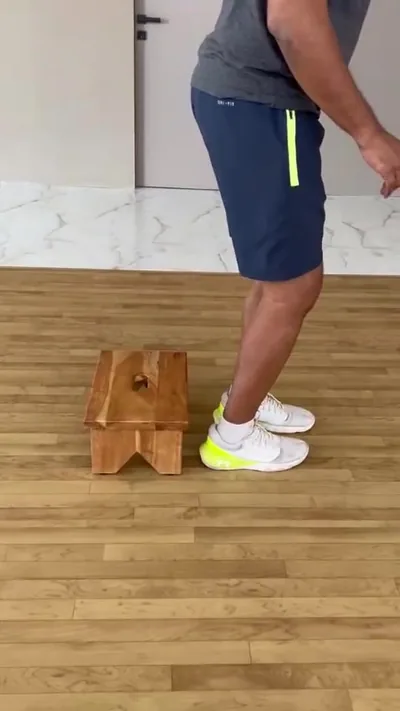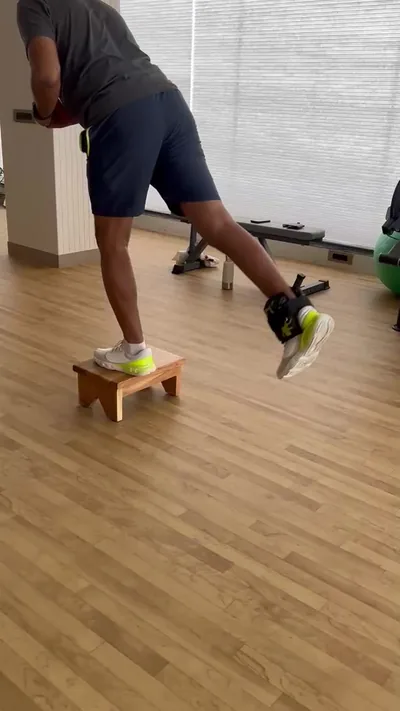
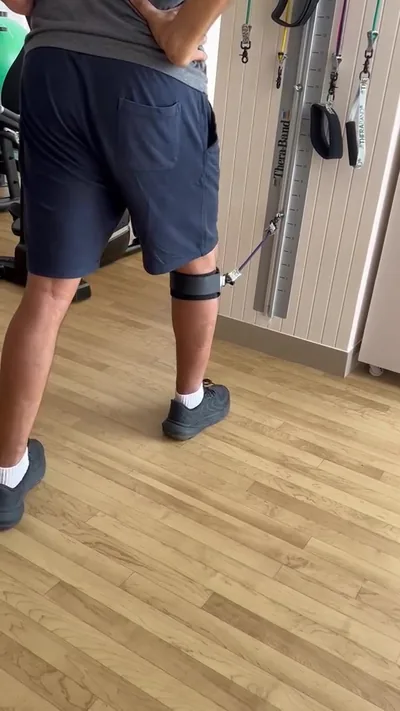
Backward Walking in ACL Rehab Phase 2
Backward walking helps athletes recover from ACL injuries. It builds knee stability in Phase 2 of rehab. This exercise targets quadriceps and improves control after surgery…
Read article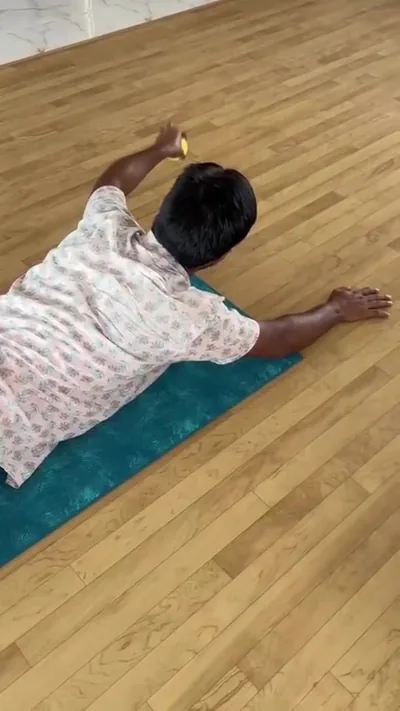

After shoulder surgery in Jaipur, your doctor fits a sling to protect the joint. This keeps the arm still while tissues heal. Knowing when to remove it matters for recovery. Removing too soon risks harm. Keeping it on too long slows progress.
Recovery varies by person and surgery type, such as rotator cuff repair or labrum repair. Orthopaedic Rehabilitation helps rebuild shoulder function safely.
Surgeons use slings after shoulder surgery to hold the arm in place. This reduces strain on repaired tissues. For rotator cuff repairs, the sling prevents pulling on stitches. Labrum surgeries also need this support to avoid shifts.
Slings limit movement in the early weeks. They ease shoulder pain after surgery. Common types include simple fabric slings or ones with waist straps. Wear it as your surgeon directs, often during day and night.
General guidance suggests slings for some weeks post-op. Timelines differ by case. Factors like age and surgery extent play a role. Never guess your shoulder sling duration. A physio assessment sets the right plan.
Look for clear shoulder surgery recovery signs before stopping the sling. Pain reduction is key. If daily tasks cause less discomfort without the sling, healing advances.
Range of motion improvements signal progress. You may lift your arm higher with less effort. Strength return in the shoulder also matters. Try gentle squeezes; firmer grip shows muscle wake-up. Looking for a Physiotherapy Near Me? Our team in Vaishali Nagar, Jaipur can assess you in person.
Other signs shoulder is healing include stable joints during light use and no swelling spikes. Watch for issues like sharp pain or weakness. These mean keep the sling on. Track changes daily for safe decisions.
When the sling comes off, your shoulder may feel stiff. This is normal as muscles adjust to unsupported arm use. Early movements feel odd but improve quickly.
Pain may rise with activity. Use ice packs for 15 minutes to calm it. Over-the-counter pain relief helps if your doctor allows. Avoid heavy lifts right away.
Contact a physio if pain worsens or arm feels unstable. At Trivayu Physio Center, we check progress in post shoulder surgery arm use. Normal sensations fade as shoulder mobility recovery builds.
Start with gentle exercises to rebuild strength. Pendulum swings loosen the joint. Let your arm hang and circle it slowly. Do 10 circles each way, twice daily. More on Frozen Shoulder Treatment and how we assess it.
Progress to wall walks. Face a wall and walk fingers up slowly. Stop at mild stretch. These aid arm movement after shoulder surgery.
Incorporate Clinical Pilates for core stability later. Manual Therapy from our team eases tight spots. Always warm up first. Stop if pain sharpens.
Shoulder sling duration depends on your surgery. For many rotator cuff repairs, slings stay on for several weeks to let tendons heal without strain. Labrum repairs often need similar time to stabilise the joint.
Your surgeon sets the initial period based on the procedure. Physios check your shoulder’s response before any change. Factors like tissue quality and your overall health influence this.
Remove the sling only during guided exercises at first. Sleep with it until cleared. If your arm drifts or aches without support, put it back on right away.
Healing shows in steady progress. Pain eases over days, not hours. Swelling goes down as fluid drains better. Skin around the shoulder feels normal, not tight or warm.
Muscle tone returns slowly. Your shoulder blade moves smoother with arm lifts. Sleep improves without night pain. These build confidence for next steps.
Stop the sling when your physio approves after a check. They test your range, strength and stability. Do not rush; early removal can tear new repairs. You may also find Rotator Cuff Repair Sling Hygiene Tips Week 4 Jaipur useful.
If pain stays low during light tasks like combing hair, and your arm holds position, that helps. But professional eyes spot issues like subtle instability you might miss.
Recovery signs include better daily use, like reaching for objects without wince. Shoulder girdle strengthens. You notice control in small moves, like turning a key.
Progress feels gradual. One day at a time. Note changes in a journal: pain levels, reach distance, grip strength. Share this with your physio for tailored plan.
Arm movement after shoulder surgery starts small. Begin with elbow bends while in sling. Then, with support, try shoulder shrugs.
As healing advances, add side raises with light help. Physios guide to avoid overload. Full reach comes later, with control.
Shoulder pain after surgery peaks in first days. It drops with rest and ice. If pain lingers beyond expected, or worsens with rest, seek check.
Electrotherapy can reduce it safely. Combine with gentle moves to prevent stiffness.
Shoulder mobility recovery needs steady work. Start supine, lying down, for shoulder rolls. Progress to standing pulleys for controlled stretch.
Physios watch form to protect repairs. Build to overhead reaches over weeks. Patience avoids setbacks.
Sling time varies by surgery type and healing. Surgeons give personal timelines. Physios adjust based on checks.
Key signs include less pain, better motion range, and returning strength. No swelling or instability helps. See a physio to confirm when to stop shoulder sling.
Stop when pros clear you, based on exams. Signs like steady improvement guide it. Avoid rushing post shoulder surgery arm use.
Gentle ones like pendulums and wall walks start. Build slowly. Physio plans match your needs for safe shoulder mobility recovery.
No. Get a physio or doctor check first. They spot risks you miss.
Mild ache is common. Ice and rest help. Sharp or lasting pain means call your physio. Re-sling if needed.
Recovery builds with right steps. Track your progress daily. Professional input ensures safe progress.
Book an assessment at Trivayu Physio Center today. WhatsApp +91 90570 65065 or call for shoulder surgery sling removal guidance in Jaipur.
Physiotherapy is not the right first step for everything. Seek medical assessment promptly if any of the following apply to you:
If you lose control of your bladder or bowels, develop numbness around the groin, or have chest pain or breathlessness, treat it as an emergency and go to hospital.
Truly thankful to Dr. Jyoti Choudhary and the entire team of Trivayu Physio Centre for their genuine care, humble behaviour, and excellent treatment.
Mahesh Dhaka, Google review
This is one patient's own account, published with consent on our reviews page. It describes their experience, not a predicted outcome. Individual results vary.
Backward walking helps athletes recover from ACL injuries. It builds knee stability in Phase 2 of rehab. This exercise targets quadriceps and improves control after surgery…
Read articleAfter ACL surgery, rebuilding knee strength takes time and care. ACL rehabilitation phases guide this process step by step. Phase 1 protects the graft and cuts…
Read articleAfter hip replacement surgery, dressing your lower body safely helps build independence. By week 6 of hip replacement recovery, many patients aim to dress without help.…
Read articleMessage us on WhatsApp with your main concern and preferred time, and we'll confirm your first visit the same day.