Hip Pain Pregnancy Exercises in Third Trimester Jaipur
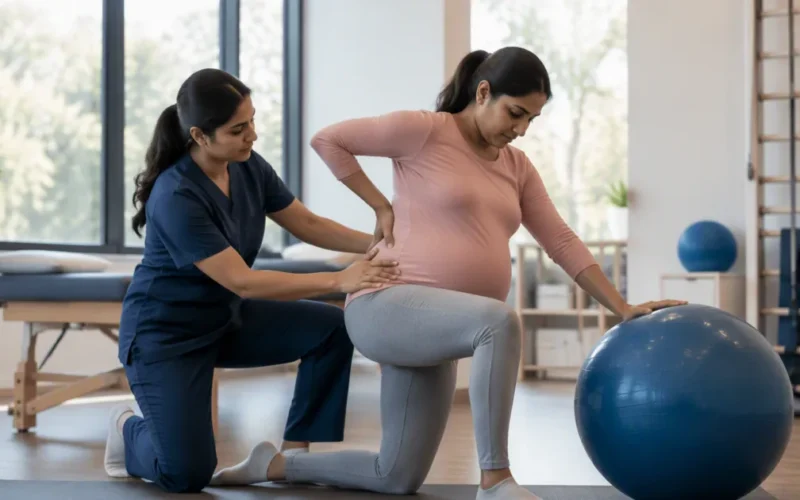
Understanding Hip Pain in Pregnancy Hip pain often starts in the third trimester. The growing baby shifts your centre of gravity forward. This strains hip joints,…
Read article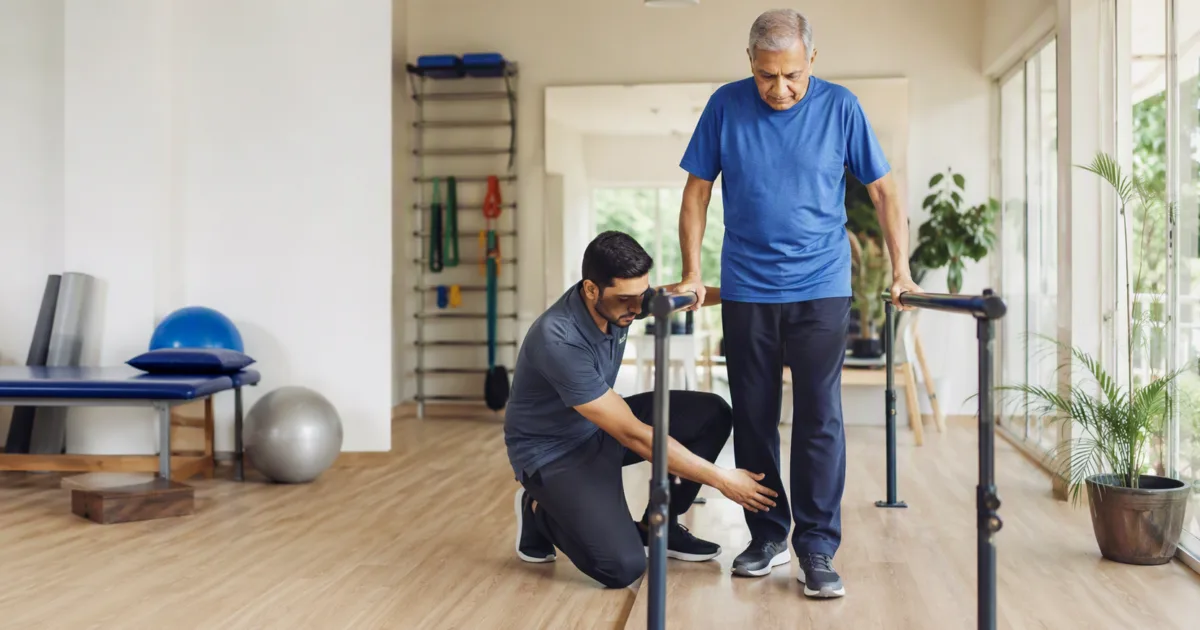

The short answer
Seated foot drop exercises for stroke build ankle dorsiflexion strength safely at home. They suit stroke survivors and caregivers, starting seated to avoid falls. Trivayu Physio Center in Vaishali Nagar, Jaipur offers assessments and personalised neuro physiotherapy plans.
Foot drop often follows stroke. It makes lifting the front of the foot hard. This affects walking. Seated exercises build ankle strength safely. They suit stroke survivors and caregivers at home.
These exercises focus on ankle dorsiflexion. Start seated to avoid falls. Progress to standing as strength grows. Get a professional check first. Trivayu Physio Center in Vaishali Nagar, Jaipur offers assessments.
Our team, including Dr. Ajit Choudhary for neuro rehab, guides personalised plans. Locations include Vidyadhar Nagar. Services cover neuro physiotherapy for foot drop.
Foot drop happens when muscles that lift the foot weaken. In stroke, nerve damage from brain injury causes this. The peroneal nerve or brain signals may fail. Toes drag during steps. This limits steps on uneven ground or stairs.
Exercises aid mobility by strengthening ankle muscles. They improve control without replacing medical care. Recovery varies. A physiotherapist assesses muscle power, nerve function and gait to plan neuro physiotherapy. Looking for a Physiotherapist in Jaipur? Our team in Vaishali Nagar, Jaipur can assess you in person.
Seek an in-person assessment. At Trivayu Physio Center, Vaishali Nagar, Jaipur, physiotherapists check needs. They use exercise therapy and manual therapy for stroke rehabilitation. They test ankle range, strength and balance first.
Seated exercises start neuro rehab safely. No balance risk reduces fall chance. They build ankle dorsiflexion strength. Stroke patients often have weak legs, so sitting protects.
This suits home rehab. Caregivers assist easily. It prepares for standing work. Progressive rehab follows ability. A physiotherapist watches for fatigue like shaking muscles.
Benefits include better blood flow and muscle activation. Physiotherapists link seated work to clinic exercise therapy at Trivayu Physio Center. They add manual therapy to loosen tight muscles before exercises. Read more about our Post-Surgery & Joint Replacement Rehab in Jaipur.
Do these daily. Focus on form. Stop if pain occurs. Aim for smooth moves. Do 10-15 repeats per set. Rest between sets. Breathe out on effort, in on relax.
Clinic exercise therapy teaches these. Dr. Ajit Choudhary tailors for neuro physiotherapy foot drop. He checks which muscle responds best.
Move to standing when seated work feels easy. Do 10 repeats without wobble. Hold chair for support. Advance by ability. A physiotherapist tests readiness.
This boosts gait. Improves mobility for daily tasks. Physiotherapists add gait training next.
Neuro physiotherapy for foot drop uses full stroke rehab approach. Start with bed exercises if needed, then seated. Progress to standing and walking. Focus on ankle dorsiflexion. You may also find Seated Leg Lifts for Foot Drop After Stroke at Home Jaipur useful.
Mobility exercises include heel-toe walking. Place heel down first, roll to toes. Practice short distances. Step-overs over low books build clearance. A physiotherapist demonstrates.
Foot drop treatment often pairs exercises with ankle-foot orthosis if advised. Wear during standing work. Home exercises continue clinic plan. Do morning and evening sessions.
Progressive rehab tracks dorsiflexion angle. Physiotherapist measures with goniometer. Increase challenge when foot lifts clear. Add uneven surfaces later.
Warm up with ankle circles: 10 each way. Wear supportive shoes with grip. Track gains like less dragging. Rest if tired. Do sessions 20-30 minutes, twice daily.
Trivayu Physio Center, Vaishali Nagar supports with neuro rehab. Techniques include manual therapy and robotic spinal decompression if needed. Home visits and online consultations available. Also at Vidyadhar Nagar. Physiotherapists adjust for fatigue.
Session: History and tests. Hands-on ankle mobilise. Guided exercises. Home plan demo. Sessions 45 minutes, weekly at start.
Stroke damages brain areas controlling muscles. Nerve signals weaken. Ankle dorsiflexors fail to lift foot.
Exercises strengthen muscles and retrain nerves. Many see mobility gains. Results vary. Professional guidance helps.
Ankle pumps, towel curls, band pulls, alphabet traces, toe points. Target dorsiflexion from chair.
Master seated: 3 sets easy. Add support in standing. Try heel raises, marching, balance. Advance when stable.
Soon after stroke or if home exercises stall. Trivayu Physio Center assesses gait and strength.
Yes, Trivayu Physio Center offers home visits for neuro rehab.
Combines exercises, manual therapy and gait work. Progresses from seated to full walk.
Stroke foot drop recovery needs steady effort. Seated to standing builds mobility. Home exercises aid daily life.
Book an assessment at Trivayu Physio Center today. WhatsApp or call +91 90570 65065 for foot drop neuro rehab in Jaipur.
Physiotherapy is not the right first step for everything. Seek medical assessment promptly if any of the following apply to you:
If you lose control of your bladder or bowels, develop numbness around the groin, or have chest pain or breathlessness, treat it as an emergency and go to hospital.
Understanding Hip Pain in Pregnancy Hip pain often starts in the third trimester. The growing baby shifts your centre of gravity forward. This strains hip joints,…
Read articleAfter knee replacement surgery, balance training helps regain stability. In weeks 9-12, progress home exercises for daily tasks. This reduces fall risk. These routines offer safe…
Read articleMonsoon rains in Jaipur make roads slippery. A slip can twist your knee. Active adults face this during walks or runs. Knee pain after slip is…
Read articleMessage us on WhatsApp with your main concern and preferred time, and we'll confirm your first visit the same day.