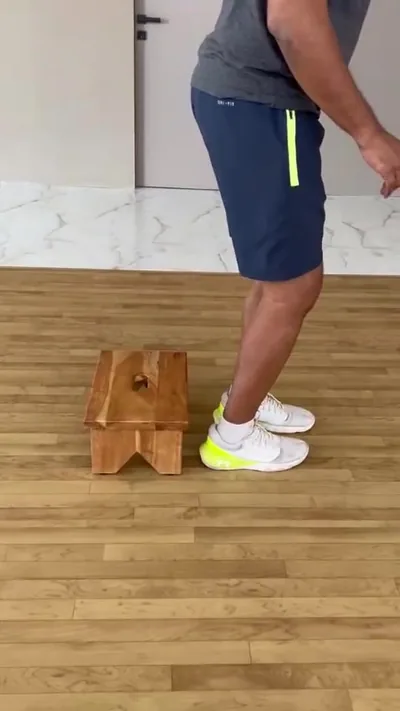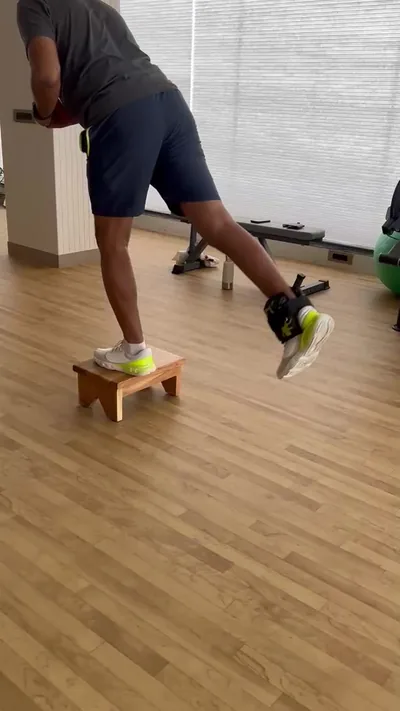
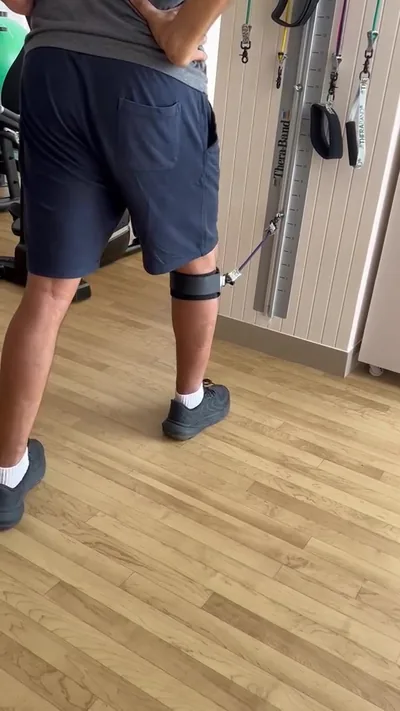
Backward Walking in ACL Rehab Phase 2
Backward walking helps athletes recover from ACL injuries. It builds knee stability in Phase 2 of rehab. This exercise targets quadriceps and improves control after surgery…
Read article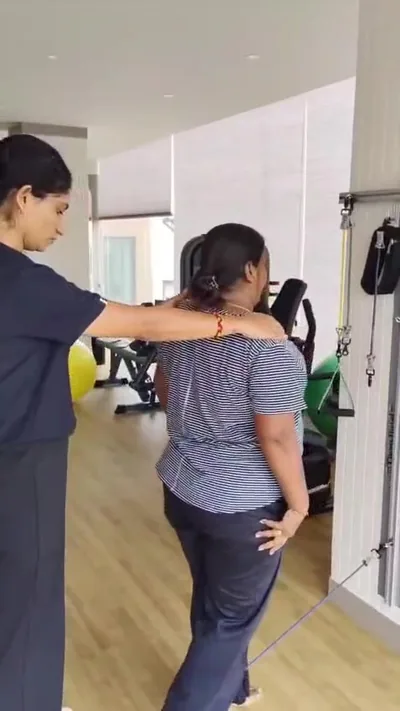

Sciatica causes sharp pain down one leg from the lower back. It happens when the sciatic nerve gets irritated. For IT professionals in Jaipur, sitting long hours at desks makes it worse. Poor office chairs press on the nerve.
Prolonged sitting builds pressure on the spine. Desk workers feel pain after hours in the same spot. Chair fixes and breaks can help. These steps ease sciatica without big changes.
Trivayu Physio Center in Vaishali Nagar sees many with office chair sciatica. Quick tweaks reduce strain. Start with these for desk sciatica relief.
Sciatica pain sitting starts in the lower back. It shoots through the buttock and leg. The sciatic nerve gets pinched by tight muscles or disc issues. Looking for a Physiotherapist Near Me? Our team in Vaishali Nagar, Jaipur can assess you in person.
Office chair sciatica hits IT professionals hard. They sit 8-10 hours daily. Prolonged sitting keeps the spine flexed. This squeezes nerve roots. Jaipur desk workers often slouch over laptops.
Triggers include poor posture. Legs crossed or feet dangling strain the pelvis. Hunching pinches the nerve. Office AC worsens muscle tightness. The piriformis muscle tightens from sitting over the sciatic nerve. When it spasms, it clamps the nerve. Wallet in back pocket presses it too. Remove it during work.
Adjust seat height. Feet rest flat on the floor. Knees bend at 90 degrees. Thighs parallel to the ground. This stops pressure on the sciatic nerve. If chair lacks adjustment, stack firm books under feet. More on Sciatica Treatment and how we assess it.
Add lumbar support. Place a small pillow or rolled towel at lower back curve. It keeps the spine’s natural shape. Position at belt level, above hips.
Use footrest if feet do not reach floor. Keep hips level with or above knees. Angle chair back 100-110 degrees. This opens hip angle, reduces pull on lower back. Tilt seat forward 5 degrees if possible. You may also find Sciatica Pain from Office Chairs in Jaipur useful.
Set armrests. Elbows bend at 90 degrees. Shoulders relax. Test changes: pain should ease after 10 minutes. Sit for a full hour to confirm.
Choose breathable fabric to keep muscles loose in Jaipur heat. Avoid sinking cushions.
Micro breaks work for IT schedules. Stand every 30 minutes for 1-2 minutes. This breaks prolonged sitting. Set phone alarms.
Seated stretches: Sit tall. Cross one ankle over opposite knee. Press knee down. Hold 20 seconds per side. Eases piriformis. Do twice per break.
Stand and lean forward. Hands on desk, hinge at hips for hamstring stretch. Do 3 times hourly. Walk 20 steps around desk. Swing arms.
Time breaks with workflow. After emails, stand. Post-meeting, stretch. Add neck tilts: ear to shoulder, 10 seconds each side.
At lunch, lie on back. Pull one knee to chest. Hold 30 seconds per leg.
Build posture. Sit with weight even on both hips. Shoulders back, chin tucked. Avoid crossing legs. Check hourly with mirror or selfie.
Set screen at eye level, arm’s length. Keyboard keeps wrists straight. Raise laptop on books. External keyboard keeps elbows close.
Add walking. Park farther. Take stairs. Aim for 5-minute walks twice daily. Evening strolls loosen hips. Wear supportive shoes.
Drink water hourly. Alternate sitting and standing. Stand for calls. Shift positions every 20 minutes.
Strengthen core at home. Lie on back, lift one leg 10 cm. Hold 5 seconds, 5 times per leg. Do mornings.
Self-adjustments help mild cases. If pain lasts weeks or spreads, seek help. Numbness, weakness or bowel changes need quick check. A physiotherapist assesses nerve path and movement faults.
Manual Therapy at Trivayu Physio Center releases tight spots. Orthopaedic Rehabilitation rebuilds spine control. Electrotherapy calms irritated nerves.
Dr. Jyoti Choudhary, with 17+ years in orthopaedics, guides desk workers. Clinics in Vaishali Nagar and Vidyadhar Nagar offer assessments. Home visits suit IT pros. Full exam includes posture check, leg raises, nerve tests. Get tailored exercises plus hands-on work. Physiotherapy supports doctor care.
Feet flat, knees 90 degrees. Lumbar support at belt level. Footrest if needed. Back 100-110 degrees. Arms at 90 degrees. Test for an hour.
Stand every 30 minutes. Figure-4 stretch seated. Hamstring stretch. Walk laps. Shoulder rolls. Knee-to-chest at lunch.
Yes, for many desk cases. Height, support and foot position reduce nerve pressure. Combine with breaks.
Prolonged sitting flexes spine. Presses disc on nerve roots. Poor posture adds muscle tightness. Piriformis clamps nerve.
If pain persists over 2 weeks, worsens or adds numbness. Get in-person assessment. Home visits available.
Exam of posture and nerve tension. Hands-on muscle release. Custom core and hip exercises. Progress checks.
These steps offer sciatica office chair relief. Chair fixes and habits cut strain. Micro-breaks stop buildup. Persistent issues need expert help.
Book an assessment at Trivayu Physio Center, Vaishali Nagar. Call +91 90570 65065 or WhatsApp to start.
Physiotherapy is not the right first step for everything. Seek medical assessment promptly if any of the following apply to you:
If you lose control of your bladder or bowels, develop numbness around the groin, or have chest pain or breathlessness, treat it as an emergency and go to hospital.
Truly thankful to Dr. Jyoti Choudhary and the entire team of Trivayu Physio Centre for their genuine care, humble behaviour, and excellent treatment.
Mahesh Dhaka, Google review
This is one patient's own account, published with consent on our reviews page. It describes their experience, not a predicted outcome. Individual results vary.
Backward walking helps athletes recover from ACL injuries. It builds knee stability in Phase 2 of rehab. This exercise targets quadriceps and improves control after surgery…
Read articleAfter ACL surgery, rebuilding knee strength takes time and care. ACL rehabilitation phases guide this process step by step. Phase 1 protects the graft and cuts…
Read articleAfter hip replacement surgery, dressing your lower body safely helps build independence. By week 6 of hip replacement recovery, many patients aim to dress without help.…
Read articleMessage us on WhatsApp with your main concern and preferred time, and we'll confirm your first visit the same day.