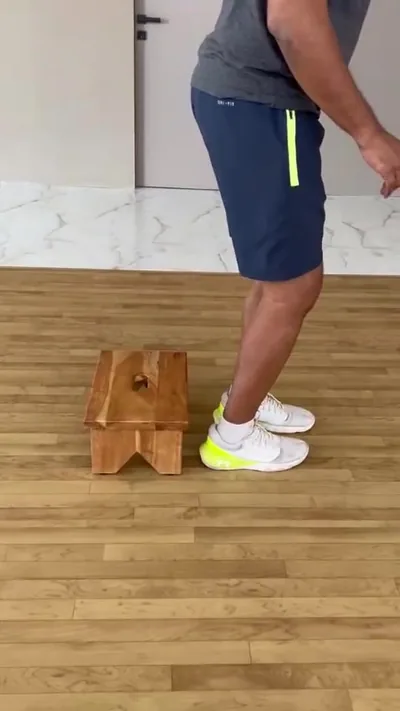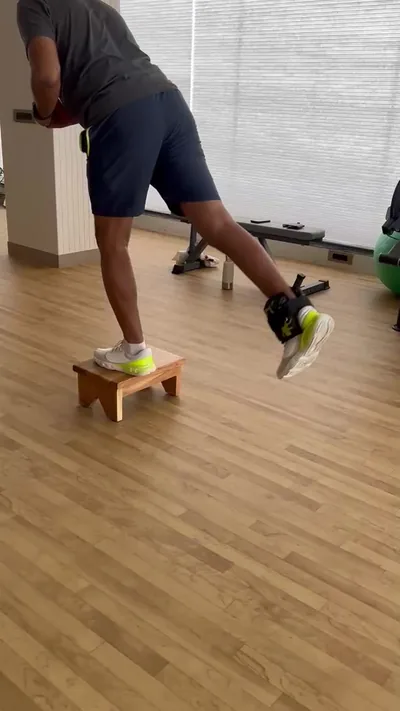
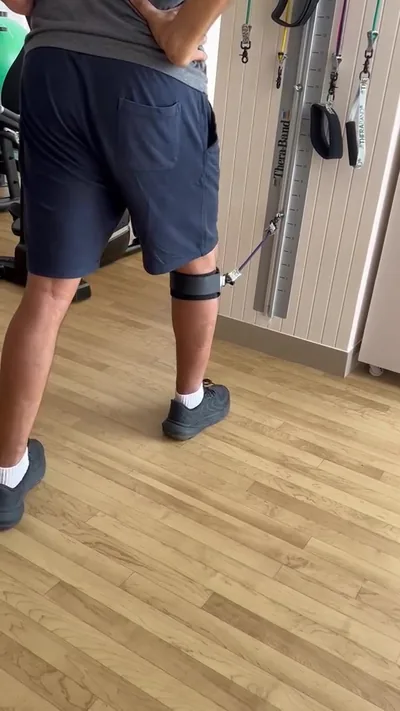
Backward Walking in ACL Rehab Phase 2
Backward walking helps athletes recover from ACL injuries. It builds knee stability in Phase 2 of rehab. This exercise targets quadriceps and improves control after surgery…
Read article

Sciatica pain runs from lower back down the leg along the sciatic nerve. At night, it often feels worse as you lie still. Poor sleep position adds twist to the spine and nerves. Lack of movement lets muscles stiffen. Many wake up sore. At Trivang Physio Center in Vaishali Nagar or Vidyadhar Nagar, we check your posture and movement patterns.
When you lie flat, the spine discs swell with fluid from less gravity pull. This presses on the sciatic nerve roots. Without daytime activity, back muscles tighten around it. If you have insomnia, tiredness makes pain feel sharper the next day. Side sleeping without support twists the pelvis, worsening it. Looking for a Physiotherapist Near Me? Our team in Vaishali Nagar, Jaipur can assess you in person.
These changes make night pain sciatica relief a common need.
Never sleep on your stomach. It arches the back too much and strains the nerve all night.
Right pillows align your body so the sciatic nerve stays free. Use them every night for better rest.
Choose pillows that are firm but give a little. Too soft ones let hips sink.
Before bed, do these to loosen up:
Apply a warm pack to lower back for 10 minutes. It relaxes muscles without burning skin. Avoid ice at night as it stiffens things up.
If pain wakes you, do not stay in bed twisting. Get up slowly. Sit on bed edge. Do knee to chest stretch again. Walk around gently for 2 minutes. This moves fluid out of the discs and eases pressure. If it happens every night, note the time and position. Tell the physio at your visit. More on Sciatica Treatment and how we assess it.
To sleep better with sciatica, keep a routine. Go to bed at same time each night. Use the same pillows in same spots. If pain starts, roll to side position without getting up fully. Keep room cool and dark. Limit water after 7pm to avoid waking for toilet, which twists the back. You may also find Sciatica Sleep Positions Using Pillows at Night useful.
If pain wakes you most nights or lasts into day, book now. At Trivatt Physio Center, we use Manual Therapy to loosen tight spots, Orthopaedic Rehabilitation to build strength, and Electrotherapy to calm nerve pain. Dr. Jyoti Choudhary assesses your walk, bend and lift to find the cause.
Side lying with knees bent and pillow between them. It keeps hips level and nerve free.
They hold your body in line so the nerve does not get squeezed. Sciatica pillow adjustment works right away.
Discs swell and muscles stiffen without movement. night pain sciatica relief needs support.
Overnight, fluid builds in spine and poor position adds twist. Morning stretches help shift it.
They ease it but physio finds the root problem like tight muscles or weak core.
Firm body pillows or knee pillows that hold shape all night.
Pillow under knees sciatica and between them. Keep neck straight with small pillow under head.
Use supports, stretch before bed, and get checked if it lasts.
Book your assessment at Trivatt Physio Center in Vaishali Nagar or Vidyadhar Nagar. WhatsApp or call +91 9057065065. Home visits if needed.
Physiotherapy is not the right first step for everything. Seek medical assessment promptly if any of the following apply to you:
If you lose control of your bladder or bowels, develop numbness around the groin, or have chest pain or breathlessness, treat it as an emergency and go to hospital.
Truly thankful to Dr. Jyoti Choudhary and the entire team of Trivayu Physio Centre for their genuine care, humble behaviour, and excellent treatment.
Mahesh Dhaka, Google review
This is one patient's own account, published with consent on our reviews page. It describes their experience, not a predicted outcome. Individual results vary.
Backward walking helps athletes recover from ACL injuries. It builds knee stability in Phase 2 of rehab. This exercise targets quadriceps and improves control after surgery…
Read articleAfter ACL surgery, rebuilding knee strength takes time and care. ACL rehabilitation phases guide this process step by step. Phase 1 protects the graft and cuts…
Read articleAfter hip replacement surgery, dressing your lower body safely helps build independence. By week 6 of hip replacement recovery, many patients aim to dress without help.…
Read articleMessage us on WhatsApp with your main concern and preferred time, and we'll confirm your first visit the same day.