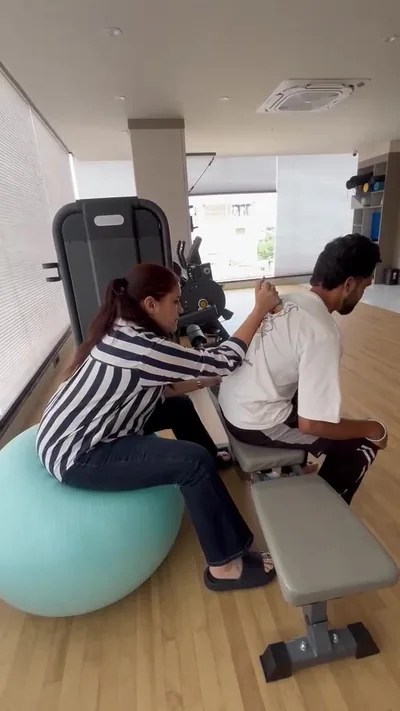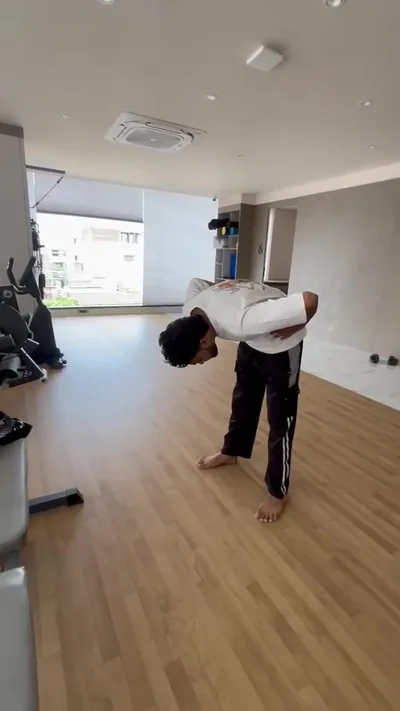
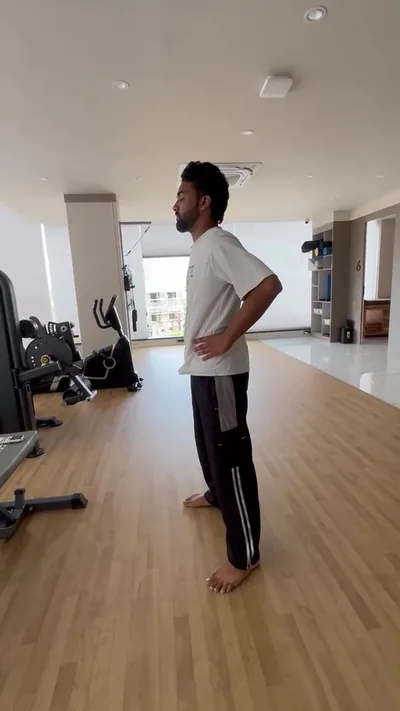
Is Side Bending Safe with L4 L5 Herniated Disc
An L4 L5 herniated disc happens when the disc between your fourth and fifth lumbar vertebrae bulges or ruptures. This presses on nearby nerves, causing pain…
Read article

Sciatica causes sharp leg pain from a pinched nerve in the lower back. It worsens with long desk hours. Tight hips from sitting press on the sciatic nerve, leading to pain down the leg.
Desk workers face this daily. Hip rotation stretches in an office chair ease tightness without standing. These target hip muscles to improve mobility and reduce leg discomfort. A physiotherapist would check your posture and movement during assessment to confirm if tight hips contribute.
At Trivayu Physio Center in Vaishali Nagar, Jaipur, we see many with sciatica from desk jobs. Chair stretches offer relief and support posture during work. A physio guides on breathing and form to prevent strain.
Sciatica occurs when the sciatic nerve gets irritated. It runs from the lower back through hips and down each leg. Pain can feel like tingling, burning, or shooting into buttock or calf. Desk work keeps hips flexed, shortening muscles around the pelvis.
Long sitting tightens hip rotators like piriformis. This deep buttock muscle presses the sciatic nerve when tight. Other factors include weak core from inactivity and poor chair support. Seated stretches loosen hips, boost blood flow, and ease nerve pressure. A physio starts with these to build awareness before standing exercises. Looking for a Rehabilitation Centre Near Me? Our team in Vaishali Nagar, Jaipur can assess you in person.
The seated figure-4 stretch mimics a 4 with your legs. It targets piriformis and hip rotators, which cause sciatica-like pain in desk workers. It lengthens piriformis by rotating hip outward, creating space around the nerve. This is a key piriformis stretch sitting, ideal for desk-bound routines.
This stretch brings relief in your office chair. It opens hips, reducing nerve pressure. Expect a deep pull in the buttock that fades with breathing. Physiotherapists use it as it needs no equipment. For WFH sciatica exercises, do it during short breaks to counter hours in the same chair.
Sit tall in your chair with feet flat. Keep back straight, shoulders relaxed. Engage core lightly by drawing belly button toward spine.
Breathe in nose, out mouth. Avoid forcing if pain sharpens. Variations: press knee lightly with hand or twist upper body toward stretched side for added back release. Stop if numbness increases or leg tingles worsen. A physio checks knee drop, ankle position, and breathing for form. They watch if one side drops less, noting muscle imbalance common in desk jobs.
Add these for full benefits. A physiotherapist tailors based on painful leg, often starting with the side that flares during sitting. These form a sciatica pain relief chair routine. More on Sciatica Treatment and how we assess it.
Combine for 5-minute break. Sequence: ankle circles first for warm-up, figure-4 next, then twist, hamstring, and hip flexor. Track relief by noting pain before and after in a notebook. A physio reviews this log to adjust.
Set phone reminders every 60 minutes. Start with figure-4 on painful side, add twist, hamstring, ankle work, and hip flexor. Do full set twice at lunch, once mid-afternoon. For WFH sciatica exercises, link to calendar alerts like post-meeting.
A physio assesses by watching you do stretches in real time, notes asymmetries like one hip tighter. They test hip rotation range by guiding your knee drop manually. Progress may add resistance bands looped around knees for strengthening after loosening. In clinic, expect hands-on checks of piriformis tension by pressing the muscle while you contract and relax.
Desk jobs in Jaipur often mean static chairs without adjustments. For hip stretches for desk job, choose a chair with armrests at elbow height to support leans. During WFH, use a stable office chair, not a sofa that sinks hips deeper. You may also find Sciatica Hip Flexor Stretches for Desk Jobs useful.
Incorporate seated figure-4 midway through morning work block. Follow with piriformis press if buttock pain lingers. For workday leg pain relief, end day with full sequence before standing. A physio teaches nerve glides: in chair, slump forward then arch back alternately 5 times to mobilise nerve without stretching muscles. Expect initial awkwardness; form improves with guidance.
Do stretches 3-5 times daily after 1 hour sitting. Use good posture: ears over shoulders, ribs over hips, screen at eye level. Stand every 30 minutes, walk 2 minutes. Hydrate to keep discs plump. Track pain levels on a 1-10 scale daily. Avoid habitual leg crossing, which skews pelvis.
Alternate chair positions: cross ankles loosely under desk sometimes. If pain hits during drives home, pull over for quick figure-4. Wear loose clothes for easy movement.
Seek help if pain lasts over two weeks, worsens with walking, or includes weakness in foot. Numbness, loss of balance, or bladder changes need urgent doctor visit first. Visit Trivayu Physio Center for assessment. Manual Therapy addresses root causes. Our team, including Dr.
Cross ankle over opposite knee in chair. Let knee drop out. Lean forward gently. Opens hip rotators like piriformis, easing nerve pressure from sitting.
Every 1-2 hours during desk work. Hold 20-30 seconds, 2-3 reps per side. More if pain eases quickly.
Yes, they loosen tight hips and improve flow. Results vary by consistency and cause. Physio confirms fit.
If pain persists beyond two weeks, spreads to both legs, or limits walking. Get in-person check at Trivayu in Vaishali Nagar or Vidyadhar Nagar.
Yes for mild cases. Breathe steadily, stop at sharp pain. Consult physio if severe or new.
Assess posture in sitting and standing, test hip strength, nerve glide response. Chair stretches as base, progress to clinic tools like resisted rotations.
Shorten hold to 10 seconds, focus on breathing. See physio to rule out nerve irritation needing gentler start.
These stretches build sciatica management habit. Book assessment at Trivayu Physio Center today. WhatsApp +91 90570 65065 or call for spine care help.
Physiotherapy is not the right first step for everything. Seek medical assessment promptly if any of the following apply to you:
If you lose control of your bladder or bowels, develop numbness around the groin, or have chest pain or breathlessness, treat it as an emergency and go to hospital.
Truly thankful to Dr. Jyoti Choudhary and the entire team of Trivayu Physio Centre for their genuine care, humble behaviour, and excellent treatment.
Mahesh Dhaka, Google review
This is one patient's own account, published with consent on our reviews page. It describes their experience, not a predicted outcome. Individual results vary.
An L4 L5 herniated disc happens when the disc between your fourth and fifth lumbar vertebrae bulges or ruptures. This presses on nearby nerves, causing pain…
Read articleShopkeepers in Jaipur often stand for long hours behind counters. This prolonged standing can trigger sciatica pain. Sciatica happens when the sciatic nerve gets irritated, often…
Read articleHerniated disc night pain disrupts sleep for many. The disc bulge presses on nerves, causing sharp back pain or sciatica that flares up at night. Simple…
Read articleMessage us on WhatsApp with your main concern and preferred time, and we'll confirm your first visit the same day.