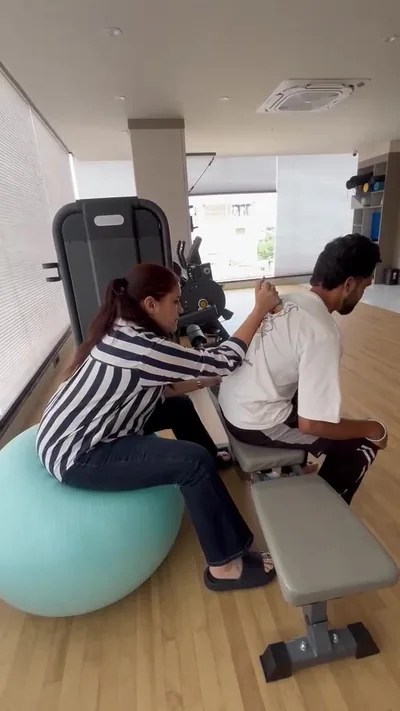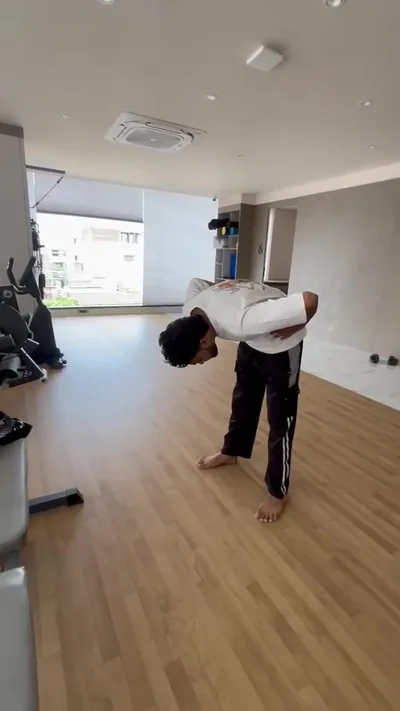
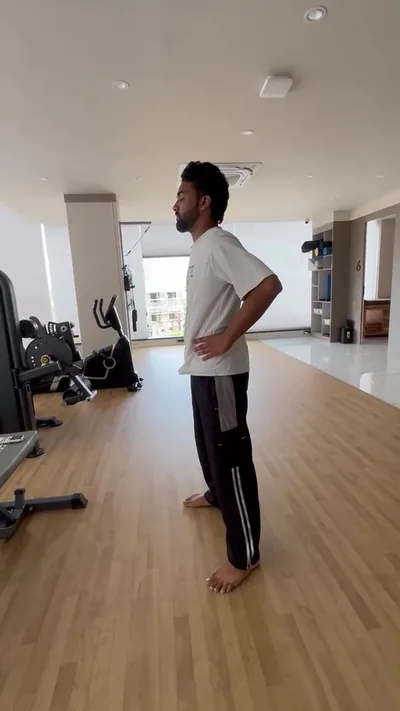
Is Side Bending Safe with L4 L5 Herniated Disc
An L4 L5 herniated disc happens when the disc between your fourth and fifth lumbar vertebrae bulges or ruptures. This presses on nearby nerves, causing pain…
Read article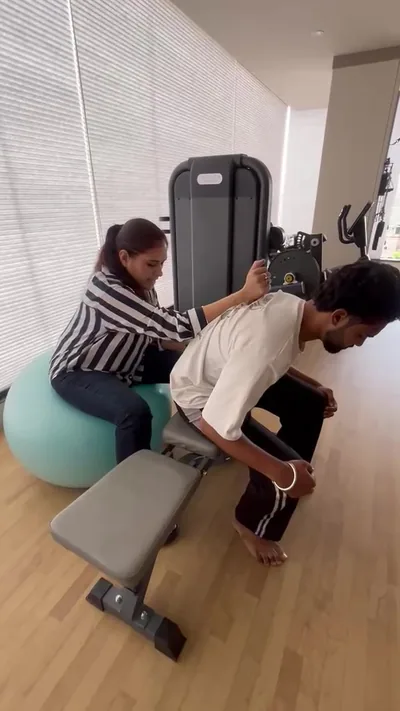

Sciatica pain often starts from tight hip flexors. Desk sitters spend hours in chairs. This shortens hip muscles like the iliopsoas and piriformis. They press on the sciatic nerve. Pain shoots down the leg. Simple stretches can ease this. But first, get checked. A physio assessment rules out serious issues.
At Trivayu Physio Center in Vaishali Nagar and Vidyadhar Nagar, Jaipur, we see many desk workers with sciatica from tight hips. Prolonged sitting tilts the pelvis. Hip flexors shorten. This pulls the lower back. Sciatic nerve irritation follows. Stretches help loosen hips. Professional care speeds recovery.
These stretches target sciatica hip flexors. Do them gently. Stop if pain worsens. Breathe deeply. Hold each for 20-30 seconds. Repeat 2-3 times daily. Warm up with light walking first. Use a yoga mat for comfort. Track how your body feels.
Prolonged sitting keeps hips flexed. Hip flexors like psoas and iliacus tighten. Desk jobs make this worse. Tight muscles pull the pelvis forward. This strains the lower back. The piriformis muscle can compress the sciatic nerve. Sciatica pain radiates from the lower back to the leg.
For desk sitters, sciatica from tight hips builds over time. Hours without movement shorten muscles. The sciatic nerve gets irritated. Pain, tingling or numbness appears. An in-person physio assessment at Trivayu confirms the cause. A physio checks your posture, hip range and nerve tension. Looking for a Physiotherapy Clinic Near Me? Our team in Vaishali Nagar, Jaipur can assess you in person.
Symptoms point to tight hip flexors. Buttock pain worsens after sitting. Leg tingling starts when you stand. Pain shoots down the back of the thigh. It eases with walking. These signs suggest hip flexor involvement.
Other clues include stiffness in the front of the hips. Lower back ache joins in. Sitting triggers flares. See a physio for proper checks. At Trivayu, we assess posture and movement to pinpoint tight hips. We test hip flexor length by measuring hip extension.
Start with these safe stretches. Do them on a mat. Warm up first with light walking. Move slowly. Adjust for comfort. A physio can show these and correct your form.
This targets iliopsoas. Eases sciatica hips by lengthening the front.
Great for piriformis sciatica stretch. Releases buttock tension. Breathe into the stretch.
Perfect for desk sitters. Do it at work every hour. Loosens piriformis and outer hip.
This gentle move releases iliopsoas without strain. Ideal to counter desk sitting.
Sciatica pain from sitting builds from hip flexor tightness. Desk jobs keep hips flexed all day. Muscles shorten. They tug on pelvis and irritate the sciatic nerve. Stretch every 30-60 minutes. Stand and do seated figure-four at your desk. Set a timer. More on Sciatica Treatment and how we assess it.
Adjust your chair. Feet flat on floor. Knees level with hips. Use a lumbar roll. Take micro-breaks: stand, shift weight side to side, squeeze glutes. Walk during lunch. Short steps wake up tight hips.
If pain flares, lie on belly. Press pelvis down gently. Hold 10 seconds. Repeat 5 times. This counters forward tilt.
Stretches help short-term. Add strengthening for lasting change. Weak glutes let hip flexors overwork. Try bridges: lie on back, feet flat, lift hips. Hold 5 seconds. Do 10 reps. This balances hips.
Side-lying leg lifts target outer hips. Lie on side, lift top leg slowly. 10 reps per side. These stabilise piriformis area. A physio tailors these to your sciatica.
During assessment, we watch you sit, stand and walk. We test hip range and nerve tension. Posture analysis spots pelvic tilt.
Treatment starts with hands-on work to release tight spots. We guide correct stretch form. Electrotherapy calms nerve pain. Follow-up visits track progress. Sessions last 30-45 minutes. Home exercises bridge gaps. You may also find Sciatica Hip Flexor Stretches for Desk Jobs useful.
Build daily habits. Stand every 30 minutes. Walk for 2 minutes. Use a standing desk alternate. Sit with feet flat, knees at 90 degrees, lower back supported. Strengthen core and glutes weekly.
Manual Therapy at Trivayu releases tight tissues. Pair with stretches. Track sitting time. Set phone reminders. Monitor symptoms. Return if pain returns.
Stretches alone may not fix chronic pain. Book a physio assessment at Trivayu Physio Center. Our team, including Dr. Jyoti Choudhary with 17+ years in orthopaedics, checks your hips and spine. We use Electrotherapy to reduce nerve pain. Techniques like Robotic Spinal Decompression ease pressure. Dry Needling targets tight hip flexors. Orthopaedic Rehabilitation builds strength safely.
Dr. Hritika Choudhary handles post-op rehab if needed. Locations in Vaishali Nagar and Vidyadhar Nagar suit Jaipur desk workers. Hours from 8 am to 8 pm, Monday to Saturday.
Lunge stretch, pigeon adaptation, seated figure-four and supine stretch target hip flexors. They ease piriformis pressure on the sciatic nerve. Do them daily.
Sitting flexes hips for hours. Muscles shorten. They tilt pelvis and irritate the sciatic nerve. Desk jobs worsen this. Frequent breaks help.
Yes, they loosen tight hips. Pain often eases. Results vary. Persistent cases need physio.
If pain lasts over two weeks, worsens or includes weakness. Get assessed soon.
Most are, if done gently. Stop if pain increases. A physio tailors them. Check form in a mirror.
Every 30-60 minutes. Plus full sessions 2-3 times daily. Combine with strengthening.
Sciatica from tight hip flexors responds to stretches and habits. Desk sitters gain from early action. Recovery varies. Combine home care with professional input. Rule out other causes with an assessment.
Book at Trivayu Physio Center today. WhatsApp +91 90570 65065 or call to start easing your sciatica.
Physiotherapy is not the right first step for everything. Seek medical assessment promptly if any of the following apply to you:
If you lose control of your bladder or bowels, develop numbness around the groin, or have chest pain or breathlessness, treat it as an emergency and go to hospital.
Truly thankful to Dr. Jyoti Choudhary and the entire team of Trivayu Physio Centre for their genuine care, humble behaviour, and excellent treatment.
Mahesh Dhaka, Google review
This is one patient's own account, published with consent on our reviews page. It describes their experience, not a predicted outcome. Individual results vary.
An L4 L5 herniated disc happens when the disc between your fourth and fifth lumbar vertebrae bulges or ruptures. This presses on nearby nerves, causing pain…
Read articleShopkeepers in Jaipur often stand for long hours behind counters. This prolonged standing can trigger sciatica pain. Sciatica happens when the sciatic nerve gets irritated, often…
Read articleHerniated disc night pain disrupts sleep for many. The disc bulge presses on nerves, causing sharp back pain or sciatica that flares up at night. Simple…
Read articleMessage us on WhatsApp with your main concern and preferred time, and we'll confirm your first visit the same day.