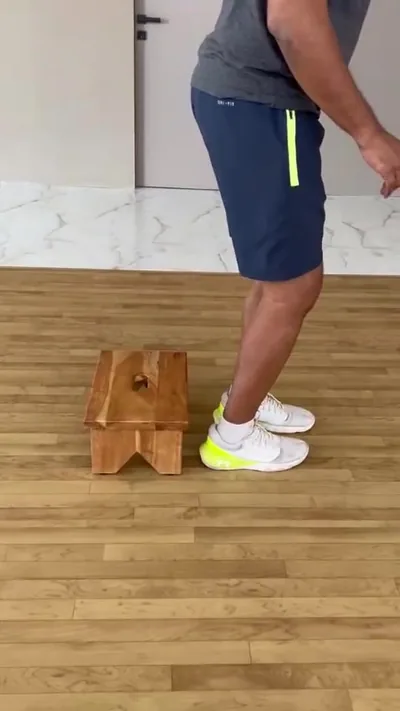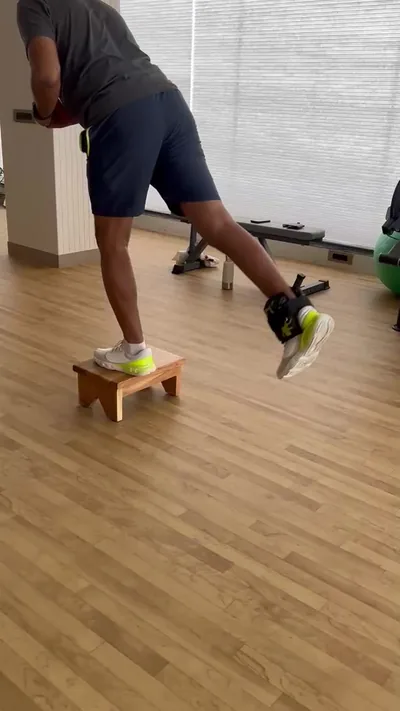
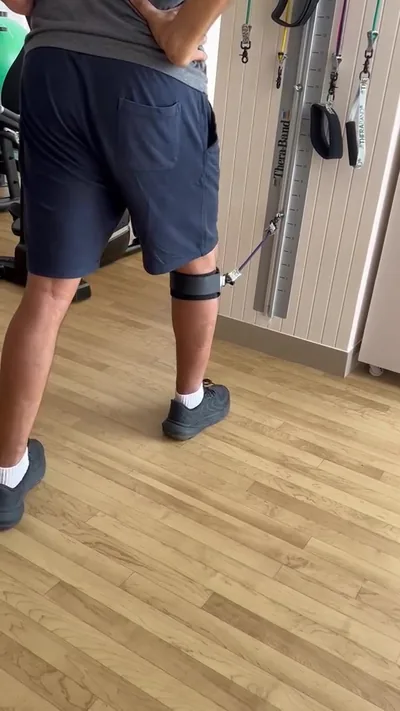
Backward Walking in ACL Rehab Phase 2
Backward walking helps athletes recover from ACL injuries. It builds knee stability in Phase 2 of rehab. This exercise targets quadriceps and improves control after surgery…
Read article

Sciatica pain often starts from simple habits like cross legged sitting. This position presses on the sciatic nerve, causing sharp pain down the leg. Many Indian families face this from sitting on floors or low chairs during meals or work.
Cross legged sciatica pain builds over time. It links to poor sitting posture sciatica triggers. Changing to better sciatica sitting positions can ease symptoms quickly.
In Jaipur, sciatica symptoms like tingling or numbness affect daily life. Back pain from cross legged sitting is common, especially for those who sit on the floor for family gatherings or religious activities. Nerve pain when sitting often worsens the issue, making even short periods uncomfortable.
Sciatica is pain along the sciatic nerve. This nerve runs from the lower back through the hips and down each leg. It happens when the nerve gets irritated or compressed.
Cross legged sitting compresses the sciatic nerve. When you cross your legs, the top leg presses on the piriformis muscle. This muscle sits near the nerve in the buttock area. Pressure builds, sparking nerve pain sitting discomfort.
In Indian families, this is common. People sit cross legged on floors for eating, watching TV or praying. Low chairs at home add to the strain. Symptoms include leg pain, tingling, numbness or weakness. Pain may shoot from the back to the foot. Looking for a Physiotherapy Clinic Near Me? Our team in Vaishali Nagar, Jaipur can assess you in person.
Sciatica pain causes include tight muscles and poor posture. Sitting cross legged repeatedly shortens the hip muscles. This pulls on the lower back. Over time, it irritates the sciatic nerve. Other factors like tight hamstrings from prolonged sitting worsen it. In Jaipur, many report sciatica symptoms during monsoon when humidity adds muscle tension.
Cross legged posture twists the pelvis. This uneven pressure strains the lower spine. The sciatic nerve gets pinched between the piriformis muscle and bone.
Piriformis pressure is key. Tightening this muscle from cross legged sitting harm squeezes the nerve. Over time, it leads to sciatica pain causes like inflammation.
Spine twist effects worsen it. The lower back curves unnaturally, stressing discs. This links to back pain cross legged issues. Daily habits in Indian homes speed it up. Long hours cross legged during family gatherings or work from home build problems.
Back pain cross legged sitting comes from uneven weight on the pelvis. One side bears more load. This tilts the hips. It stresses the sacroiliac joint. Over days or weeks, it irritates nerves. Poor sitting posture sciatica builds slowly. It starts as mild ache. It grows to sharp pain or numbness.
Choose sciatica relief positions to reduce nerve pressure. Start with feet flat on the floor. Keep knees at 90 degrees. This keeps the hips level and spine straight. More on Sciatica Treatment and how we assess it.
Use lumbar support. Place a small cushion or rolled towel at the lower back curve. It maintains natural spine shape during sits.
On the floor, try side sitting. Sit on one hip with both legs tucked to that side. Add a cushion under the hip for height. Avoid full cross legged or squatting.
Reclined sitting works too. Lean back slightly in a chair. Place a footrest under your feet. This opens the hips. It reduces pressure on the piriformis muscle.
Standing desks help for work. They let you shift positions. Alternate between sitting and standing every 20 minutes.
Avoid sciatica cross legged by building better routines. Check posture often. Sit tall with shoulders back.
Stretch between sits. Gentle hamstring or piriformis stretches release tension. Do them 2-3 times a day.
Pick an ergonomic chair. It should support the back and let feet touch the floor. For floor sitting, use a kneeling stool. It keeps knees forward without crossing legs.
Strengthen core muscles. Planks build stability. Start with 10-20 seconds. Build up slowly. Strong core supports the spine. It reduces strain from poor sitting.
Watch sitting time. Limit prolonged sitting. Use timers. Stand, walk, stretch every 20-30 minutes.
Not all sciatica fades with position changes. Watch for red flags. Severe pain lasting weeks, loss of bladder control, or leg weakness need urgent care.
See a physiotherapist if pain disrupts sleep or work. In Vaishali Nagar, Trivayu Physio Center offers help. Manual Therapy eases muscle tension. Orthopaedic Rehabilitation builds strength. Electrotherapy reduces nerve inflammation. You may also find Sciatica Pain from Sitting on Floor useful.
The team includes Dr. Jyoti Choudhary with 17+ years in orthopaedics. Dr. Hritika Choudhary handles advanced electrotherapy. Locations in Vaishali Nagar and Vidyadhar Nagar suit Jaipur families. Book an in-person assessment for a tailored plan.
It comes from pressure on the sciatic nerve. Crossing legs tightens the piriformis muscle, pinching the nerve. Twisting the spine adds strain, common in floor-based Indian habits.
Keep feet flat, knees at 90 degrees. Use back support. Avoid crossing legs or squatting. Stand often to prevent build-up.
Yes, alternative sitting positions reduce nerve compression fast. Many feel less pain right away. Pair with stretches for better results.
Go if pain persists over two weeks, worsens at night, or includes numbness. Early assessment prevents long-term issues. Clinics like Trivayu in Vaishali Nagar help.
They help mild cases with position changes and stretches. Severe or ongoing sciatica needs professional check. Do not delay if symptoms spread.
Physiotherapists assess your posture and movement. They use hands-on techniques to release tight muscles. They teach exercises to correct imbalances. This targets sciatica pain causes directly.
Sciatica from sitting cross legged improves with aware habits. Better positions cut pain and protect the nerve. Build them into family life for lasting comfort.
Book an assessment at Trivayu Physio Center today. WhatsApp or call +91 90570 65065 to start relief.
“`
*(Word count: 1024)*
Physiotherapy is not the right first step for everything. Seek medical assessment promptly if any of the following apply to you:
If you lose control of your bladder or bowels, develop numbness around the groin, or have chest pain or breathlessness, treat it as an emergency and go to hospital.
Truly thankful to Dr. Jyoti Choudhary and the entire team of Trivayu Physio Centre for their genuine care, humble behaviour, and excellent treatment.
Mahesh Dhaka, Google review
This is one patient's own account, published with consent on our reviews page. It describes their experience, not a predicted outcome. Individual results vary.
Backward walking helps athletes recover from ACL injuries. It builds knee stability in Phase 2 of rehab. This exercise targets quadriceps and improves control after surgery…
Read articleAfter ACL surgery, rebuilding knee strength takes time and care. ACL rehabilitation phases guide this process step by step. Phase 1 protects the graft and cuts…
Read articleAfter hip replacement surgery, dressing your lower body safely helps build independence. By week 6 of hip replacement recovery, many patients aim to dress without help.…
Read articleMessage us on WhatsApp with your main concern and preferred time, and we'll confirm your first visit the same day.