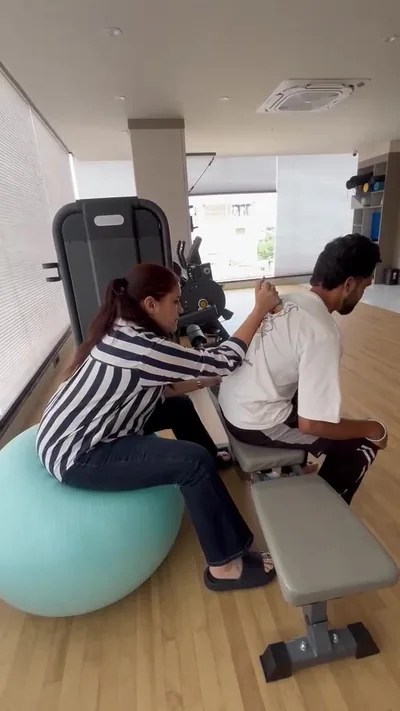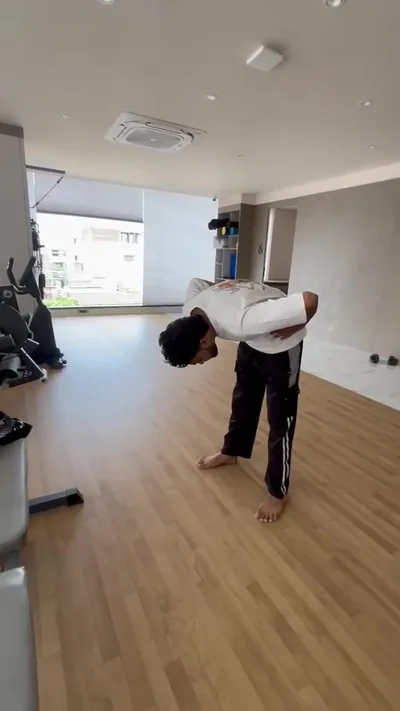
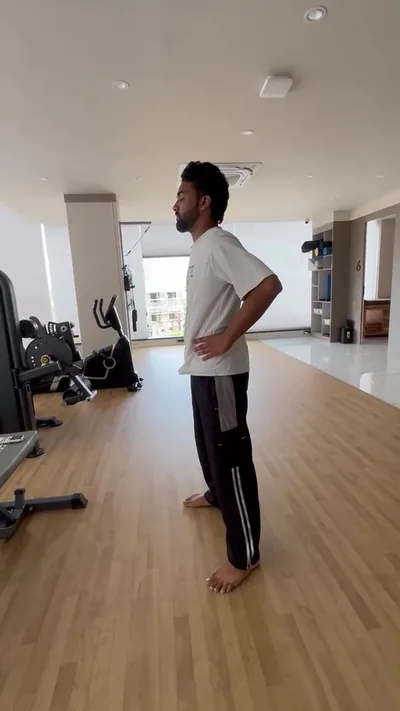
Is Side Bending Safe with L4 L5 Herniated Disc
An L4 L5 herniated disc happens when the disc between your fourth and fifth lumbar vertebrae bulges or ruptures. This presses on nearby nerves, causing pain…
Read article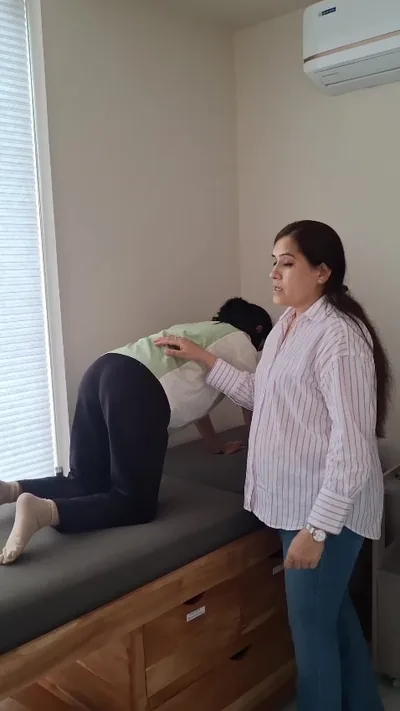

Sciatica causes pain down the leg from pressure on the sciatic nerve, often a slipped disc or tight lower back muscles. In mild cases, it can lead to foot drop if ignored. Foot drop means weakness lifting the front of the foot, as nerve signals weaken ankle and toe muscles. Early signs include trouble lifting toes while walking, or slight foot drag. Nerve pain may feel like sharp jolts or burning from buttock to foot. Leg weakness makes stairs harder, or knees buckle on uneven paths.
Early action helps mild sciatica. Toe lifts and other sciatica foot drop exercises target toe weakness. A physiotherapist checks gait and strength. They test toe lift and foot slap. In Jaipur, physio guides if needed. Expect leg and back exam for nerve issues. They measure muscle power by resisting foot lift. Gait analysis spots drag or high steps. Nerve tension tests pull gently on the leg to check irritation.
These suit mild symptoms. They build strength. Check with physio, as recovery varies. Start with fewer reps. Track foot lift changes. Note if tingling lessens after sessions. Mild sciatica treatment focuses on gentle moves to ease nerve pressure without strain.
Sciatica irritates the sciatic nerve from lower back through hips, buttocks, and legs. Causes: disc bulges or spinal stenosis. Pain shoots to calf or foot. Nerve signals weaken leg muscles. This hits branches like the peroneal nerve, which lifts foot and toes.
Pressure affects peroneal nerve branches, controlling toe and foot lift. Symptoms: pins-and-needles in toes, burning under foot, foot slap while walking, weak toe curl. Foot symptoms worsen with prolonged sitting or bending. Leg weakness shows as heavy feeling below knee, tiring after short walks. Looking for a Physiotherapist Near Me? Our team in Vaishali Nagar, Jaipur can assess you in person.
Avert progression in early stages with movement and strengthening. Weakness grows without it. Spot sciatica foot drop early signs to act. Physios grade exercises from seated to standing. They watch for pain triggers during tests. Manual Therapy can ease tight spots first, making exercises safer.
Foot drop builds slowly. Watch for:
These signal nerve issues. Spotting early stops progression. Jaipur physios spot via resisted toe lift or shin tap. First visit: leg measurements, nerve tension tests. They check reflexes at knee and ankle. Palpate for tender spots along nerve path. Advise on daily habits to reduce pressure.
Toe lifts are simple toe lifts for foot drop. They strengthen toe lifters, targeting peroneal nerve issues. Do morning or evening. Expect shin muscle fatigue at first, which lessens over days.
Start sitting. Manual Therapy can ease tight spots first.
It activates lifters without back stress. Do sciatica exercises Jaipur at home; form matters. Shorten hold if cramps. Add band later. In standing version, hold wall, lift toes high, pause at top. Do on both sides even if one leg weak. Physio corrects if knee bends too much.
Add these foot drop recovery exercises. Physio tailors after checking pain and strength. Stop if pain increases. Build one at a time, 3-5 days a week. More on Sciatica Treatment and how we assess it.
Ankle Circles: Sit or lie. Circle ankle 10 times each way. Improves joint range. Go slow to avoid dizziness. Progress to bigger circles.
Heel Walks: Walk on heels 20 steps, arms out. Strengthens front muscles. Start on smooth floor. Hold 3-5 seconds per step if weak. Builds control over time.
Nerve Glides: Leg straight on bed edge. Point toes up and down, slight knee bend, 10 reps. Slides nerve. Keep neck relaxed. Stop at slight stretch, no pull. Do twice daily to ease adhesions.
Toe Spreads: Feet flat. Spread toes, hold 5 seconds, 10 reps. Strengthens foot muscles. Assist with fingers first. Helps grip and stability.
Calf Raises with Toe Focus: Stand, rise on toes, then lower slowly while lifting front foot. 8-10 reps. Targets balance.
Do daily for toe strengthening exercises. Track heel walk time or toe lift height weekly. Physio demos proper knee alignment to avoid back strain.
Prevent progression with habits: stand every 30 minutes; lumbar roll for support; side sleep with knee pillow. Avoid deep forward bends or heavy lifts. Walk on even surfaces to test foot lift safely.
Physios assess posture and gait, guide exercises. Electrotherapy calms nerve if needed. Orthopaedic Rehabilitation restores leg function. Expect gradual toe lift gains. Pair with even-path walking. Mild sciatica treatment adds heat packs before exercises to loosen tissues. Track symptoms in a notebook: pain level, walk distance, toe height. You may also find Sciatica Foot Drop Early Signs useful.
For sciatica progression prevention, physios teach proper sitting: feet flat, knees at 90 degrees, back supported. They adjust workstation height to reduce forward lean. Nerve flossing moves prevent sticking. Consistent home practice slows weakness advance. If leg weakness appears, they test single-leg stand time.
Once physio approves, layer in foot drop recovery exercises. Resisted Toe March: Lie on back, knee bent, foot flat. Lift toes against light band looped around foot. 10 reps. Strengthens without weight-bearing.
Shin Taps: Sit, tap toes up and down briskly for 30 seconds. Builds speed for natural gait. Balance Board Holds: Stand on folded towel, lift toes, hold 20 seconds. Improves proprioception if shin numb.
Progress slowly: seated to standing to walking. Physio checks weekly via video or visit. Stop if foot slaps louder or weakness spreads up leg.
Seek assessment if:
At Trivayu Physio Center in Vaishali Nagar, Jaipur, Dr. Jyoti Choudhary leads spine care. Robotic Spinal Decompression Therapy relieves pressure. Vidyadhar Nagar sessions available. Book for foot drop from sciatica plans. First visit: history, tests, home plan. Follow-up adjusts based on gait video you send.
Trouble lifting toes, foot dragging, shin tingling, tripping, high-step gait. Leg weakness tires fast. Burning foot pain or weak ankle turns.
Strengthen toe lifters, counter peroneal effects. Builds shin endurance. Improves signal to muscles.
In early mild cases, prevent foot drop sciatica with toe exercises and glides. Consistency key; results vary. Physio monitors to tweak.
If weakness grows, pain persists, exercises fail. Red flags demand prompt visit. Early check prevents braces.
Yes for mild symptoms. Start slow, good form. Consult physio first. Watch mirror for drag.
Assess gait, strength, nerve tension. Custom exercises, monitor form, add tools if needed. Teach progression steps.
Physio tests power grades, adds knee stability drills. Glides reduce pain. Expect function rebuild over visits.
Start exercises if early signs. Slow sciatica advance. For best results, assess at Trivayu Physio Center. Book via WhatsApp +91 90570 65065 or call. Early steps protect mobility. Physios guide safe return to walks and stairs.
Physiotherapy is not the right first step for everything. Seek medical assessment promptly if any of the following apply to you:
If you lose control of your bladder or bowels, develop numbness around the groin, or have chest pain or breathlessness, treat it as an emergency and go to hospital.
Truly thankful to Dr. Jyoti Choudhary and the entire team of Trivayu Physio Centre for their genuine care, humble behaviour, and excellent treatment.
Mahesh Dhaka, Google review
This is one patient's own account, published with consent on our reviews page. It describes their experience, not a predicted outcome. Individual results vary.
An L4 L5 herniated disc happens when the disc between your fourth and fifth lumbar vertebrae bulges or ruptures. This presses on nearby nerves, causing pain…
Read articleShopkeepers in Jaipur often stand for long hours behind counters. This prolonged standing can trigger sciatica pain. Sciatica happens when the sciatic nerve gets irritated, often…
Read articleHerniated disc night pain disrupts sleep for many. The disc bulge presses on nerves, causing sharp back pain or sciatica that flares up at night. Simple…
Read articleMessage us on WhatsApp with your main concern and preferred time, and we'll confirm your first visit the same day.