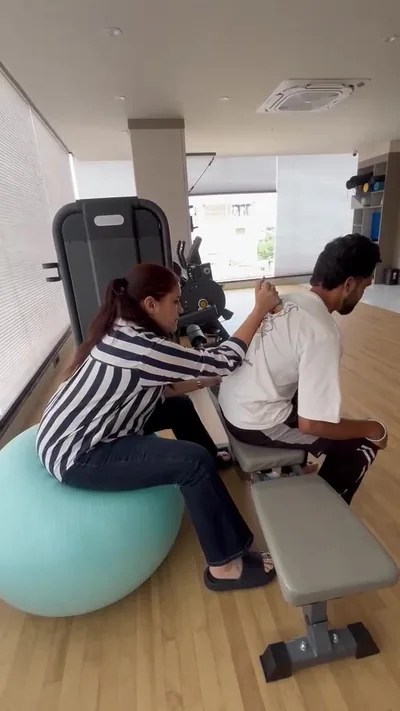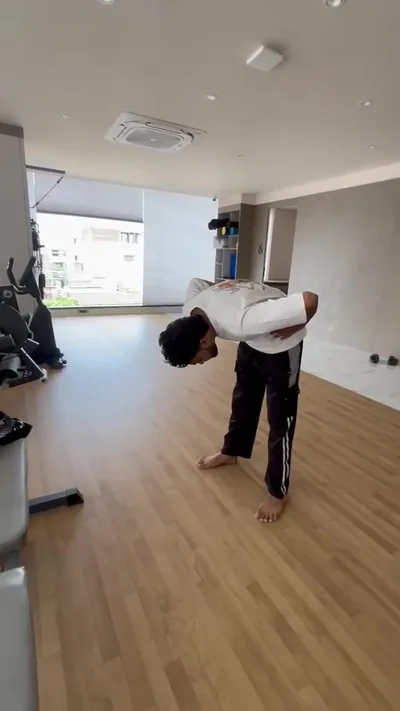
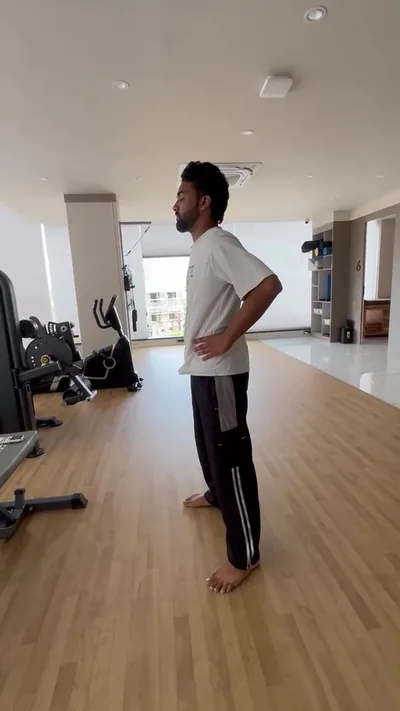
Is Side Bending Safe with L4 L5 Herniated Disc
An L4 L5 herniated disc happens when the disc between your fourth and fifth lumbar vertebrae bulges or ruptures. This presses on nearby nerves, causing pain…
Read article

Sciatica pain can increase after physiotherapy. This happens to some patients. It feels worrying but is often normal. At Trivayu Physio Center in Vaishali Nagar, Jaipur, we see this in sciatica management.
A flare-up means sharper pain in the back, buttock, or leg soon after treatment. It does not mean physio failed. Our team explains this upfront. Understanding helps recovery.
This article covers why it happens, how to handle it, and next steps. It explains post-physio pain, back pain after session, physio for sciatica, pain increase after treatment, and sciatica recovery tips.
Physiotherapy targets tight muscles and irritated nerves. The sciatic nerve runs from lower back through buttock and down each leg. Pain comes from pressure, like a bulging disc or tight piriformis muscle.
Sessions use movement or pressure to ease nerve pressure. This stirs inflammation. Your body responds with inflammatory reaction. Stiff muscles activate, causing soreness like after new exercise. Post-physio pain is common in slip disc or spondylosis.
A physiotherapist checks posture, gait, and range of motion. They test nerve tension with straight-leg raise test. Lie on back. Lift one leg straight up as far as comfortable. Pain below knee suggests nerve involvement. This guides hands-on work to loosen lower back and hips. Looking for a Rehabilitation Centre Near Me? Our team in Vaishali Nagar, Jaipur can assess you in person.
During assessment, we note how pain changes with positions. Slump test adds info. Sit forward with legs straight. Flex neck and back. Drop head. If leg tingles, nerve is sensitive. We avoid aggressive moves early. Instead, we use soft tissue work first.
Yes, sciatica flare-up after session is typical. It peaks within 24 to 48 hours. Pain eases as inflammation settles.
Factors include session intensity, pre-existing swelling, or recent activity. Everyone differs by sciatica cause and fitness. Prolonged sitting can highlight unused muscles, leading to back pain after session.
A session lasts 30-45 minutes. You lie or sit. Therapist palpates tender spots along sciatic path from back to calf. They apply graded pressure or mobilisations. You do guided exercises like pelvic tilts: Lie on back, knees bent.
Mild discomfort is okay during session; sharp pain means stop. Therapist adjusts pressure on spot. We teach breathing: Inhale to relax, exhale during stretch. After, you walk a bit to settle. Come for in-person check if unsure.
Physio for sciatica reduces acute pain first, then strengthens core and improves flexibility, and finally prevents recurrence. We phase it carefully to avoid overload.
Early sessions use neural gliding exercises. Sit or lie with leg straight. Flex and extend ankle slowly. Glide foot up and down. Do 10 reps per leg, twice daily at home. This frees nerve without pulling. More on Sciatica Treatment and how we assess it.
For muscle imbalances, do bridges. Lie on back, knees bent, feet flat. Lift hips by squeezing glutes. Hold 5 seconds, 5-10 reps. Progress to single-leg version later.
Posture training: Sit with lumbar roll behind lower back. Stand with abs engaged, ears over shoulders, hips over ankles. We check work desk setup: Screen at eye level, feet flat.
Manual Therapy releases tight tissues. Therapist uses joint mobilisations on lumbar spine with graded pressure, from light to firm as tolerated. This glides joints without force.
Electrotherapy reduces irritation with TENS. Pads on back and leg send pulses to block pain signals. We set low frequency for deep relief.
Dr. Jyoti Choudhary leads orthopaedics and back rehab. Dr. Hritika Choudhary handles electrotherapy. Dr. Ajit Choudhary focuses on post-op and neuro rehab. Dr. Ishu Sharma adds exercise therapy. You may also find Sciatica Worse After Physio useful.
In later phases, we add Orthopaedic Rehabilitation for lasting strength. Expect balance work like standing on one leg with eyes closed.
Handle flare-up with these steps for sciatica relief. Act early to shorten it.
Contact us if pain worsens beyond 48 hours or spreads. WhatsApp details help us advise quickly.
Recovery needs consistency over weeks. Build habits step by step.
Strengthen glutes with clamshells: Lie on side, knees bent at 90 degrees, feet together. Lift top knee while keeping feet touching. 10-15 reps per side, twice daily. Add resistance band later.
Core work: Bird-dog on hands and knees. Extend opposite arm and leg slowly, keep hips level. Hold 5-10 seconds, 8-10 times per side. Breathe steadily.
Ergonomics matter daily. Set chair height so knees at 90 degrees, thighs supported. Use lumbar cushion in car for drives. Keyboard at elbow height to avoid hunching.
Sleep side-lying with pillow between knees, or back with under-knees support. Avoid stomach sleeping, which arches back.
Gradual activity: Start walking 10 minutes on flat ground, increase by 5 minutes daily. Use stationary bike with upright posture, low resistance. Swim if pool available, focus on gentle leg kicks.
Avoid triggers: No heavy bags on one shoulder. Bend knees to pick objects, not waist. Track progress weekly: Note walking distance without pain, or straight-leg raise angle.
Share log at next session. We tweak based on it.
After flare-up, we adjust plan. Review what caused it, like too much stretch. Next sessions use gentler techniques or progress to Orthopaedic Rehabilitation.
Expect 8-12 sessions over 4-6 weeks, 2-3 times weekly. Each includes re-check: Repeat straight-leg test, measure hip flexibility. We review home compliance and progress.
Homework evolves: From glides to full squats. Discharge when you manage daily tasks pain-free.
Book assessment. WhatsApp or call +91 90570 65065.
Watch for red flags needing quick medical check.
See doctor or emergency right away. Physiotherapy complements medical care. We refer if red flags appear.
Yes. Treatment stirs inflammation temporarily. It settles in days with care.
Usually 24-72 hours. Use home care. See us if longer or severe.
Rest smartly, apply ice/heat, do gentle stretches. Track changes. Call if no ease in 48 hours.
With weakness, bladder/bowel issues, fever, or no change after 72 hours. Get medical help.
Yes, as normal reaction in some. We explain, adjust, and teach management.
Stiff areas loosen, muscles fatigue. Soreness eases with rest and heat.
Often yes. Local soreness from pressure differs from nerve pain down leg. Both pass.
Sciatica worse after physio is manageable. Follow tips, track symptoms, stay in touch. Book at Trivayu Physio Center, Vaishali Nagar, Jaipur. WhatsApp or call +91 90570 65065.
Physiotherapy is not the right first step for everything. Seek medical assessment promptly if any of the following apply to you:
If you lose control of your bladder or bowels, develop numbness around the groin, or have chest pain or breathlessness, treat it as an emergency and go to hospital.
Truly thankful to Dr. Jyoti Choudhary and the entire team of Trivayu Physio Centre for their genuine care, humble behaviour, and excellent treatment.
Mahesh Dhaka, Google review
This is one patient's own account, published with consent on our reviews page. It describes their experience, not a predicted outcome. Individual results vary.
An L4 L5 herniated disc happens when the disc between your fourth and fifth lumbar vertebrae bulges or ruptures. This presses on nearby nerves, causing pain…
Read articleShopkeepers in Jaipur often stand for long hours behind counters. This prolonged standing can trigger sciatica pain. Sciatica happens when the sciatic nerve gets irritated, often…
Read articleHerniated disc night pain disrupts sleep for many. The disc bulge presses on nerves, causing sharp back pain or sciatica that flares up at night. Simple…
Read articleMessage us on WhatsApp with your main concern and preferred time, and we'll confirm your first visit the same day.