

Is Side Bending Safe with L4 L5 Herniated Disc
An L4 L5 herniated disc happens when the disc between your fourth and fifth lumbar vertebrae bulges or ruptures. This presses on nearby nerves, causing pain…
Read article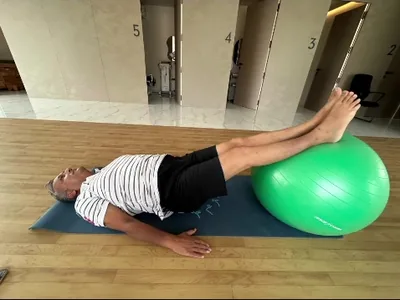
The short answer
Many in Jaipur face tiredness and weak muscles after covid, making daily tasks hard. Physiotherapy at Trivayu Physio Center uses graded activity pacing to build strength step by step without overload. It suits long-haulers seeking fatigue relief through tailored in-person assessments.
Many in Jaipur face tiredness and weak muscles after covid. Post covid fatigue makes daily tasks hard. Muscle weakness after covid stems from the illness’s effects. Physiotherapy helps with post covid muscle rehab in Jaipur. At Trivayu Physio Center, we use graded activity pacing. This builds strength step by step without overload. It suits long-haulers seeking fatigue relief. Recovery varies. A proper in-person assessment guides your plan. Our team tailors care to your needs.
Post covid fatigue is deep tiredness rest does not fix. Long covid symptoms include breathlessness, brain fog, muscle aches, joint pain, sleep issues, and chest tightness. Muscles weaken due to less activity during illness, inflammation, nerve effects, and reduced oxygen to tissues.
For long-haulers, climbing stairs, carrying groceries, or walking short distances is hard. Fatigue limits work, chores, and hobbies. Strength training post covid must start gently to avoid setbacks like breathlessness or pain flares.
These symptoms need a professional check. At Trivayu Physio Center in Vaishali Nagar, Jaipur, we assess grip strength, walking endurance, and balance. This ensures safe physiotherapy for long haulers. We check posture, breathing pattern, and daily energy levels.
Graded activity pacing slowly increases activity level. It breaks tasks into small parts to match energy. This avoids the boom-and-bust cycle. In post covid physio, pacing builds strength safely. Looking for a Physiotherapy Near Me? Our team in Vaishali Nagar, Jaipur can assess you in person.
Start with short walks of 5 minutes or light stretches held for 10 seconds. Add more as body adapts. Pacing prevents flare-ups. Divide laundry into sorting one day and washing the next.
A physiotherapist teaches tracking energy on a scale of 1 to 10 before and after tasks. Then add 1-2 minutes. Trivayu offers exercise therapy and clinical pilates. Our physiotherapists guide progression, adjusting for good and bad days.
We use electrotherapy to ease pain and boost muscle function. It sends gentle waves to tired muscles. Sessions last 15-20 minutes, matched to tolerance.
Manual therapy loosens tight spots. Myofascial release targets muscle sheets. Therapist applies pressure to chest, back, or leg tissues for 2-3 minutes per area. Dry needling releases trigger points. A thin needle goes into knots in shoulders or calves, held for 30 seconds.
Assessment tests which muscles hurt most, like quadriceps for stairs. Treatment starts there. Dr. Hritika Choudhary handles electrotherapy and post-op rehab. Dr. Ishu Sharma focuses on exercise therapy. Read more about our Geriatric Physiotherapy.
Tailored programs start with pacing. Seated leg lifts build base strength: sit tall, lift one knee to chest, hold 5 seconds, lower slowly, repeat 5 times per leg. Posture correction: stand against wall, heels at base, shoulders back, hold 30 seconds.
Clinical pilates strengthens core. Start with pelvic tilts: lie on back, knees bent, tilt pelvis to flatten back, hold 5 seconds, 8 repeats. Progression matches energy. For arms, wall push-ups: hands at shoulder height, bend elbows to lean in, push back, 6-8 times.
In-person assessment at Trivayu checks balance with single-leg stands, endurance via timed walks, and limits like maximum squats. Home exercises reinforce sessions in 10-minute blocks daily. You may also find Arm Exercises After Stroke at Home in Jaipur useful.
Long covid brings shallow breathing. Teach diaphragmatic breathing: lie down, hand on belly, breathe in through nose to push belly up, out through mouth. Practice 5 minutes twice daily. This improves oxygen to muscles.
For endurance, march in place: lift knees for 1 minute, rest, repeat 3 times. Progress to step-ups on low stool. These build leg strength for stairs. Balance work: stand on one leg near chair, hold 10 seconds per side.
First visit: history of covid, symptoms, routine. Tests: 10-metre walk timed, grip squeeze, arm reach overhead. Note breath rate and heart response.
45-minute session: 10 minutes electrotherapy or manual work, 20 minutes exercises, 15 minutes pacing advice and home plan. Leave with 3-4 exercises on paper or video, plus log sheet. Follow-ups every 1-2 weeks. Home visits bring portable electrotherapy and mats.
Visit Vaishali Nagar or Vidyadhar Nagar, Jaipur. Hours: Monday-Saturday 8 am-8 pm, Sunday 10 am-1 pm.
Dr. Jyoti Choudhary, with 17+ years in sports and orthopaedics, leads care. She serves Rajasthan Senior Women’s Cricket Team. Team offers orthopaedic physiotherapy, sports injury rehab, pain management. Services include home visits and online consultation.
Lasting tiredness after covid. Worsens with activity, does not improve with rest. Pairs with muscle weakness and breathlessness.
Rebuilds strength through paced exercises and hands-on techniques. Improves energy use, reduces pain, restores function.
Spreads activities over time. Matches effort to limits, builds stamina without exhaustion. Breaks tasks into steps.
Yes, Trivayu offers post covid physio. Plans address fatigue, weakness, breathing issues.
If fatigue lasts weeks, muscles weak, or activities cause crashes. Early help speeds progress.
Yes, Trivayu provides home visits in Jaipur. Adapts exercises to your space.
Begin with bodyweight moves like seated marches after assessment. Increase when energy steady.
Regain strength with post covid recovery. Book assessment at Trivayu Physio Center. WhatsApp or call +91 90570 65065.
Physiotherapy is not the right first step for everything. Seek medical assessment promptly if any of the following apply to you:
If you lose control of your bladder or bowels, develop numbness around the groin, or have chest pain or breathlessness, treat it as an emergency and go to hospital.
An L4 L5 herniated disc happens when the disc between your fourth and fifth lumbar vertebrae bulges or ruptures. This presses on nearby nerves, causing pain…
Read articleShopkeepers in Jaipur often stand for long hours behind counters. This prolonged standing can trigger sciatica pain. Sciatica happens when the sciatic nerve gets irritated, often…
Read articleHerniated disc night pain disrupts sleep for many. The disc bulge presses on nerves, causing sharp back pain or sciatica that flares up at night. Simple…
Read articleMessage us on WhatsApp with your main concern and preferred time, and we'll confirm your first visit the same day.

