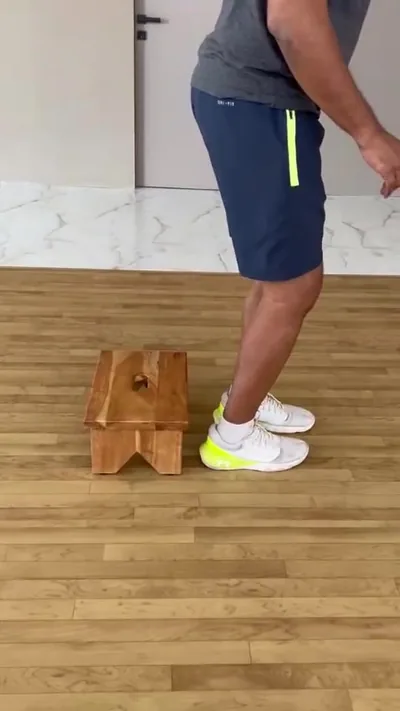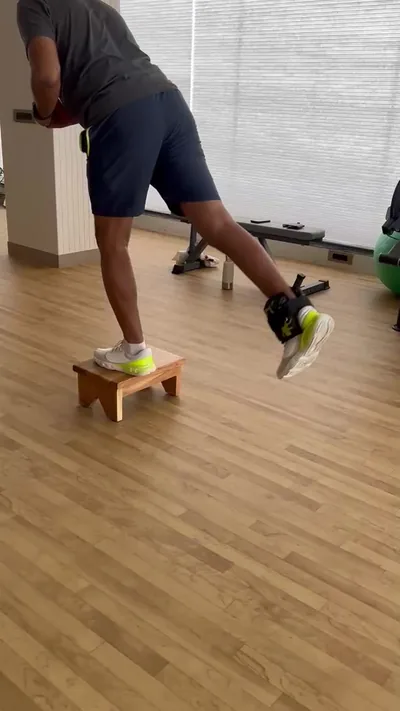
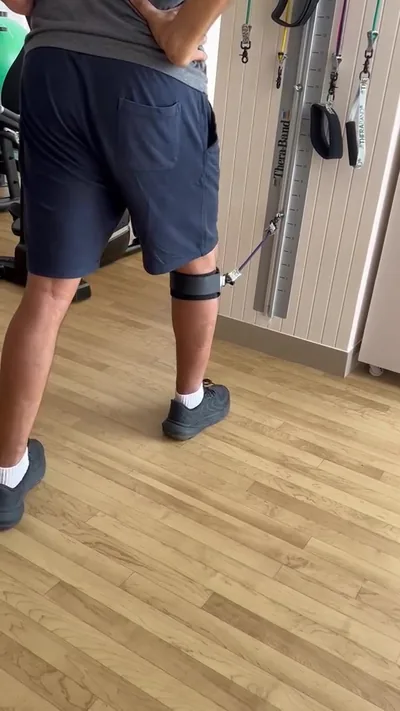
Backward Walking in ACL Rehab Phase 2
Backward walking helps athletes recover from ACL injuries. It builds knee stability in Phase 2 of rehab. This exercise targets quadriceps and improves control after surgery…
Read article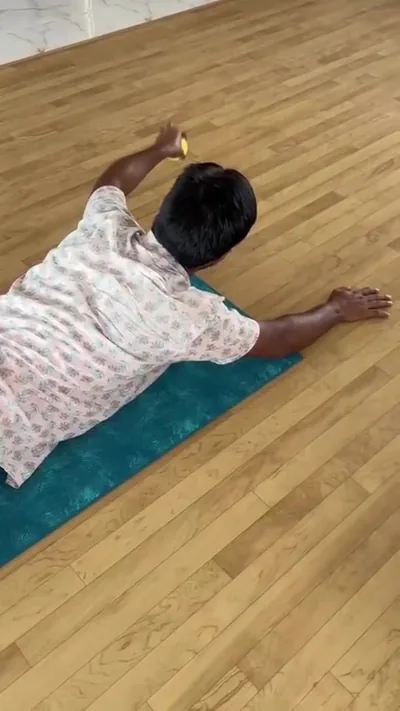

Piriformis sciatica happens when the piriformis muscle presses on the sciatic nerve. This causes pain in the buttock and down the leg. Adults in Jaipur face this from tight piriformis or overuse, such as long drives, desk work or climbing stairs.
Try self-tests at home for piriformis syndrome symptoms like buttock sciatica pain. These do not diagnose. See a physiotherapist for proper check. Trivayu Physio Center in Vaishali Nagar offers assessments.
Home stretches may ease piriformis muscle pain short-term. For lasting relief, professional physio beats self-care alone. Our team uses hands-on methods and equipment for sciatica from tight piriformis. Looking for a Physiotherapist Near Me? Our team in Vaishali Nagar, Jaipur can assess you in person.
The piriformis muscle sits deep in the buttock, under the gluteus maximus. It rotates the hip outward and stabilises the pelvis during walking. When tight or inflamed from overuse, poor posture or injury, it irritates the sciatic nerve running nearby or through it in some people.
This leads to piriformis syndrome. Signs include sharp buttock sciatica pain that spreads to the thigh or calf, tingling or numbness down the leg, worse with sitting, climbing stairs or squatting. Pain starts deep in the buttock, not the lower back. It may affect one side.
Symptoms vary. Some feel mild ache after activity. Others get leg weakness, trouble standing on toes or walking uphill. Tight piriformis can mimic disc problems. Physios check the difference. Book an in-person assessment at Trivayu Physio Center, Vaishali Nagar. Our physiotherapists check posture, movement, muscle tightness and nerve function with hands-on tests. Read more about our Posture Correction.
Try these piriformis syndrome tests at home. Do them gently. Stop if pain worsens. Positive results suggest piriformis issues but mean see a physio. Use a firm mat or chair. Test both sides.
FAIR Test (Flexion, Adduction, Internal Rotation):
Seated Piriformis Test:
Standing Forward Bend Test:
These tests help spot issues early. Visit Trivayu for full exam including resisted movements and palpation. Self-diagnosis risks missing spine or hip problems.
These stretches target tight piriformis. Do 2-3 times daily, hold 20-30 seconds, 3 reps per side. Breathe evenly. Warm up with 5-minute walk. Skip if sharp pain or recent injury. Use yoga mat. You may also find SI Joint Pain Tests at Home Before Physio Jaipur useful.
Move slow. No forcing. Use heat pack 10 minutes before. If symptoms persist, clinic exercise therapy helps. Dr. Ishu Sharma teaches progressions.
Physiotherapist at Trivayu assesses history, habits like sitting or drives, range of motion, strength and nerve glide. They palpate piriformis for trigger points.
Treatment includes manual therapy. Myofascial release softens tight bands. Dry needling targets knots. Mulligan Concept mobilises hip. Cupping improves blood flow. Electrotherapy reduces inflammation. Robotic Spinal Decompression eases nerve pressure if needed.
Sessions last 30-45 minutes. First: assessment and release. Follow-ups: strengthening like clamshells, posture advice, home plan. Clinical Pilates prevents return.
Trivayu treats piriformis sciatica. In Vaishali Nagar and Vidyadhar Nagar. Team: Dr. Jyoti Choudhary (17+ years, sports rehab). Dr. Hritika Choudhary (post-op). Dr. Ajit Choudhary (neuro). Dr. Ishu Sharma (pelvic). Home visits and online consults. Open Mon-Sat 8am-8pm, Sun 10am-1pm.
Seek physio if pain lasts over 2 weeks, worsens at night or sitting, or with weakness/numbness. Or if it limits walking, sleep or work.
Red flags for urgent doctor: Loss of bladder/bowel control, severe leg weakness, saddle numbness, fever or weight loss. Physio complements medical care.
Rehab builds glute strength, corrects habits, prevents return. Contact Trivayu at +91 90570 65065 or WhatsApp.
Use FAIR, seated or standing tests. Pain suggests it. Book physio to confirm and rule out disc or hip issues.
Figure-four, pigeon pose, seated twist. Do daily, get clinic guidance for strengthening.
If tests positive, pain over 10 days, or limits tasks. Trivayu offers hands-on care.
Yes, irritates sciatic nerve, causing pain down leg to calf or foot.
Disc: spine compression, often both legs, back pain. Piriformis: buttock pinch, one side, worse sitting or rotating hip. Physio tests to tell.
Release techniques, dry needling, exercises loosen piriformis and strengthen supporters.
Persistent piriformis sciatica needs expert care. Trivayu delivers personalised rehab.
Book assessment today. WhatsApp or call +91 90570 65065. Locations: Vaishali Nagar and Vidyadhar Nagar.
Physiotherapy is not the right first step for everything. Seek medical assessment promptly if any of the following apply to you:
If you lose control of your bladder or bowels, develop numbness around the groin, or have chest pain or breathlessness, treat it as an emergency and go to hospital.
Truly thankful to Dr. Jyoti Choudhary and the entire team of Trivayu Physio Centre for their genuine care, humble behaviour, and excellent treatment.
Mahesh Dhaka, Google review
This is one patient's own account, published with consent on our reviews page. It describes their experience, not a predicted outcome. Individual results vary.
Backward walking helps athletes recover from ACL injuries. It builds knee stability in Phase 2 of rehab. This exercise targets quadriceps and improves control after surgery…
Read articleAfter ACL surgery, rebuilding knee strength takes time and care. ACL rehabilitation phases guide this process step by step. Phase 1 protects the graft and cuts…
Read articleAfter hip replacement surgery, dressing your lower body safely helps build independence. By week 6 of hip replacement recovery, many patients aim to dress without help.…
Read articleMessage us on WhatsApp with your main concern and preferred time, and we'll confirm your first visit the same day.