Backward Walking in ACL Rehab Phase 2
Backward walking helps athletes recover from ACL injuries. It builds knee stability in Phase 2 of rehab. This exercise targets quadriceps and improves control after surgery…
Read article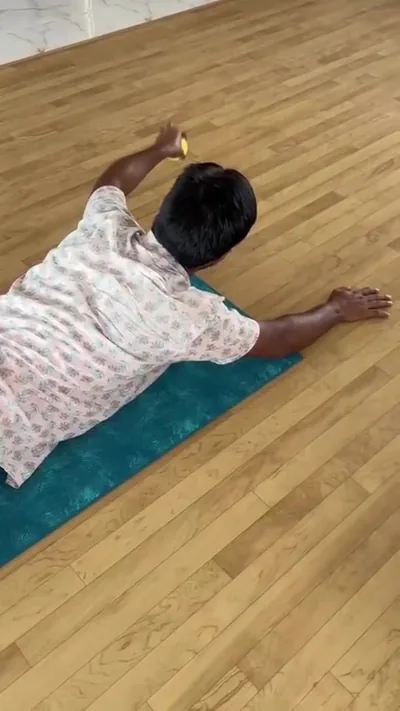

The short answer
Poor office chair setup in Jaipur causes midday lower back ache by forcing the spine out of its natural curve and increasing pressure on discs and muscles. Common mistakes include incorrect height, missing lumbar support, and no movement. Adjust seat height for 90-degree knees, position lumbar support at belt level, recline to 100-110 degrees, and take 20-minute breaks for relief.
Many desk job workers in Jaipur feel lower back stiffness by midday. Poor office chair setup forces the spine out of its natural curve. Prolonged static sitting increases pressure on the lower back discs and muscles. This leads to midday back stiffness and postural strain.
Common mistakes include chairs that are too high or low, missing lumbar support, and no movement during the day. Without correct sitting posture for office workers, the lower back loses its natural inward arch. Simple changes to seat height, lumbar support and recline can bring relief.
Adjust your chair height so both feet rest flat on the floor. Your knees should form a 90-degree angle. This position takes pressure off the lower back and thighs. If your feet do not reach the floor, use a footrest.
When thighs are parallel to the ground and hips slightly higher than knees, the pelvis stays neutral. This reduces forward tilt that strains the lumbar area. Check this setup every morning. A physiotherapist would ask you to sit, then raise or lower the chair while you keep your hands on your thighs.
The lumbar support must match the natural inward arch of your lower back. Position the highest point of the support at the level of your belt line or just above it. This height usually sits between the bottom of the rib cage and the top of the pelvis. Looking for a Physiotherapist Near Me? Our team in Vaishali Nagar, Jaipur can assess you in person.
Adjust the depth so the support fills the gap without pushing you forward. You should feel gentle contact that maintains the lumbar curve. If your chair has no built-in support, use a small rolled towel or a lumbar cushion.
Set your chair recline to 100-110 degrees. This slight backward tilt reduces pressure on the spinal discs and allows spinal decompression while sitting. Avoid sitting straight up at 90 degrees for long periods.
Adjust armrests so your shoulders stay relaxed and elbows rest at about 90 degrees. Your forearms should sit parallel to the floor. Correct armrest position stops the shoulders from hunching.
Set a timer to stand up every 20 minutes. Walk a few steps, even inside your office. These 20-minute movement breaks for desk job improve blood flow and relieve pressure on the lower back. Sitting without movement allows the lumbar discs to lose fluid and the surrounding muscles to stiffen. Read more about our Posture Correction.
Simple stretches help too. While standing, gently arch your lower back backward for five seconds. Or stand and reach your arms overhead to lengthen the spine. Perform these moves for one minute before sitting again.
Midday back stiffness usually appears after three to four hours of continuous sitting. The lumbar muscles fatigue, the pelvis tilts forward less, and the natural curve flattens. Office workers in Vaishali Nagar often notice the ache worsens after lunch when they return to the same static posture.
Preventing postural strain begins with understanding that the body is designed to move, not to hold one position. Even with perfect chair setup, staying completely still creates strain. A physiotherapist would map your full sitting posture from head to pelvis.
If pain continues after chair adjustments and regular breaks, self-help may not be enough. Persistent midday back stiffness, pain that spreads to the legs, or numbness suggest deeper issues such as muscle imbalance or disc problems. You may also find Dry Needling for Lower Back Pain in Jaipur useful.
An in-person posture assessment at a physiotherapy centre can identify the exact cause. Trained physiotherapists can provide manual therapy, exercise therapy and guidance on preventing postural strain.
The correct height places the peak of the support at belt level or just above, filling the natural inward curve of the lower back without pushing the body forward.
A recline of 100-110 degrees is recommended. This position reduces disc pressure and supports spinal decompression while sitting.
Take a short movement break every 20 minutes. Stand, walk briefly and do one gentle stretch before returning to your chair.
Proper seat height, lumbar support and recline often reduce or stop midday ache for many desk workers when combined with regular movement. Results vary from person to person.
Place your screen at eye level so the neck stays neutral, keep wrists straight while typing, and help ensure adequate lighting to avoid forward leaning that pulls on the entire spine. Combine these with the chair adjustments above.
Good office chair setup for back pain in Jaipur can make daily work far more comfortable. Adjust your chair using the steps above and add regular movement. A physiotherapist would approach your case by first watching your current sitting habits at your actual desk, then making small changes while you work so the new posture feels natural rather than forced. They would also teach you how to notice early signs of stiffness and correct them before pain builds. If pain remains, book an assessment with our team. Call +91 90570 65065 or message on WhatsApp to arrange a convenient time at Trivayu Physio Center.
Physiotherapy is not the right first step for everything. Seek medical assessment promptly if any of the following apply to you:
If you lose control of your bladder or bowels, develop numbness around the groin, or have chest pain or breathlessness, treat it as an emergency and go to hospital.
Backward walking helps athletes recover from ACL injuries. It builds knee stability in Phase 2 of rehab. This exercise targets quadriceps and improves control after surgery…
Read articleAfter ACL surgery, rebuilding knee strength takes time and care. ACL rehabilitation phases guide this process step by step. Phase 1 protects the graft and cuts…
Read articleAfter hip replacement surgery, dressing your lower body safely helps build independence. By week 6 of hip replacement recovery, many patients aim to dress without help.…
Read articleMessage us on WhatsApp with your main concern and preferred time, and we'll confirm your first visit the same day.