Backward Walking in ACL Rehab Phase 2
Backward walking helps athletes recover from ACL injuries. It builds knee stability in Phase 2 of rehab. This exercise targets quadriceps and improves control after surgery…
Read article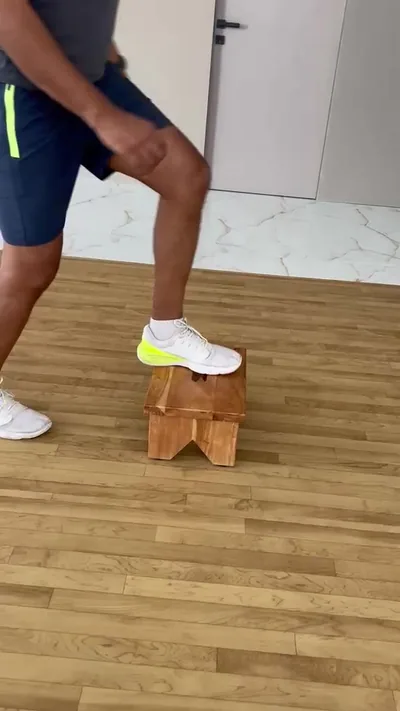

Meniscus repair fixes a tear in the knee’s cartilage. This surgery protects the knee during healing. Weight bearing means how much load your knee takes when standing or walking. The meniscus acts as a shock absorber, so repair needs time to hold under stress.
After surgery, you start with non-weight bearing. This means no load on the operated knee. You progress to partial weight bearing, then full weight bearing. This protects the repair site and builds strength gradually. Knee load progression after surgery follows clear steps to avoid re-injury.
Progression varies by tear type, repair method and your health. Tear location matters—inside tears often need longer protection. Always get an in-person assessment from a physiotherapist. Do not follow general timelines without advice. A physio checks knee stability, swelling and pain before each step.
At Trivayu Physio Center in Jaipur, our team guides this process for safe recovery. They tailor plans for meniscus tear surgery recovery.
This phase starts right after meniscus repair. Your knee must rest fully. Use crutches or a walker to keep weight off the leg. Keep the knee straight or slightly bent as advised. Elevate the leg above heart level when sitting to drain fluid.
Goals include reducing swelling and pain. Protect the repair from stress. Stay in this phase until your surgeon or physio clears progression. Signs to watch: knee feels stable when gently moved, pain drops, and swelling lessens.
Trivayu uses Class IV High Power Laser Therapy to ease pain and swelling. Advanced electrotherapy helps too. These support healing without load. Manual therapy from Dr. Hritika Choudhary or Dr. Jyoti Choudhary improves circulation gently. Looking for a Physiotherapy Clinic Near Me? Our team in Vaishali Nagar, Jaipur can assess you in person.
In this phase, do ankle pumps: point and flex your foot 10-20 times hourly. This keeps blood flowing without knee stress. Straight leg raises in lying position strengthen the thigh muscle if pain-free. Your physio shows exact form.
Expect this phase to last weeks, but it differs for each person. Watch for less pain and stable knee before moving on. Home setup tip: clear paths for crutches, use a shower chair.
Next, shift to toe-touch weight bearing. Touch the floor lightly with your toes for balance only. Then increase to partial weight, like touching down with more foot but not full load. Use two crutches at first, then one.
Progress slowly under guidance. Monitor pain and swelling closely. If pain rises or knee buckles, step back. Physio tests with a single-leg stance briefly.
At Trivayu, Clinical Pilates builds control. Manual therapy and Myofascial Release (MFR) improve movement. TECAR Therapy reduces inflammation. Dry Needling targets tight muscles around the knee. Cupping Therapy eases tissue tension.
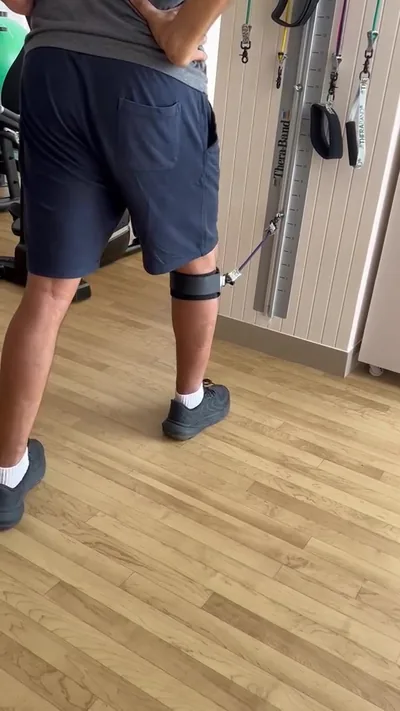
Do gentle exercises like knee bends in sitting: slide heel towards bottom 10 times, hold 5 seconds. Seated leg lifts without weight. Wall slides with back supported. Your physio adjusts based on your response and adds resistance bands later. Read more about our Orthopaedic Physiotherapy.
This phase preps muscles for full load. Focus on even gait—no limping. Trivayu orthopaedric physiotherapy in Jaipur includes gait training with mirrors for feedback.
Full weight bearing comes when the knee handles your full load without pain or swelling. Walk without aids. This often follows partial phase, confirmed by physio exam.
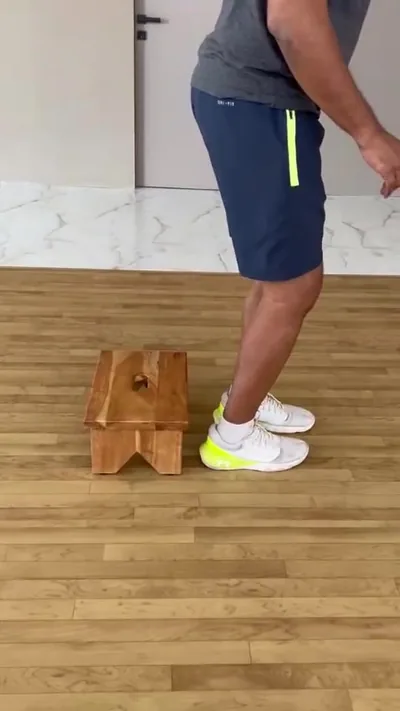
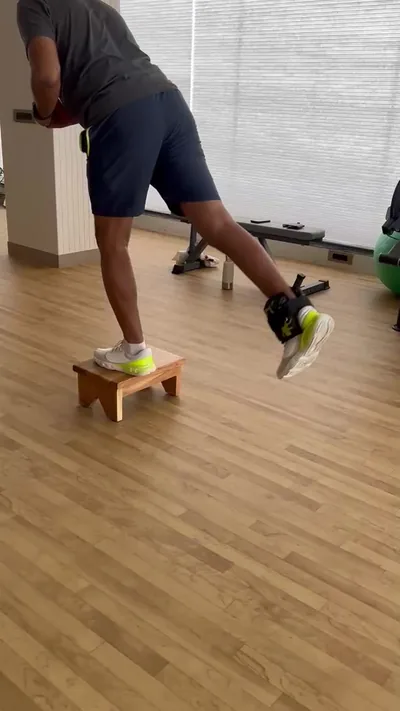
Build strength next. Focus on knee load progression after surgery. Start with double-leg exercises, then single-leg. Post meniscus repair exercises include mini-squats: bend knees to 30 degrees, hold 5 seconds, 10 reps. Step-ups on a low 10 cm box, slow and controlled.
Balance work: stand on one leg 20-30 seconds, eyes open then closed. Progress to wobble board if available. Hamstring curls with light band. Calf raises on both legs first.
For sports injury rehab in Jaipur, Trivayu team helps return to activity. Dr. Jyoti Choudhary, with sports expertise, leads this. Progress to jogging on soft surface, then agility drills. Cutting movements like side shuffles come last, only after hop tests pass.
Normal walking returns gradually. Strength and stability come first. Physio tracks with functional tests like repeated squats or timed walks.
Meniscus tear surgery recovery starts with protection, then strength, then function. Non-weight bearing knee protects the suture line. Full weight bearing meniscus phase shifts to rebuilding. You may also find Meniscus Repair Crutches Timeline in Jaipur useful.
What to expect: first weeks focus rest and basic mobility. Mid-phase adds load with supervision. Later phase restores sport if needed. Setbacks like increased swelling mean pause and reassess.
Physio approach: assess range, strength, balance weekly. Use Mulligan Concept for pain-free mobilisations. Robotic Spinal Decompression if back issues affect posture. Home programme includes 20-30 min daily exercises.
In Jaipur, sports injury rehab demands heat management—ice after activity. Trivayu tailors for local athletes, from runners to cricketers.
Trivayu Physio Center offers orthopaedic physiotherapy in Jaipur. Services include meniscus surgery rehab and sports injury rehab. Handle post-op from day one.
Techniques cover Robotic Spinal Decompression if needed, Dry Needling, Cupping Therapy and Mulligan Concept. Dr. Hritika Choudhary handles post-op rehab with electrotherapy. Dr. Jyoti Choudhary focuses on sports return.
Locations: Vaishali Nagar at 204, 2nd Floor, Om Tower, Gandhi Path Road, Nemi Nagar. Vidyadhar Nagar at Rangoli Gardens. Hours: Mon-Sat 8 am-8 pm, Sun 10 am-1 pm.
Book an in-person assessment for your meniscus repair recovery timeline. Home visits cover non-weight bearing needs.
Trivayu offers home visits and online consultation for support.
This depends on your surgery and healing. Start with non-weight bearing. Progress only on surgeon or physio advice. Get assessed at Trivayu.
Phases vary widely. Non-weight for weeks, then partial, then full. Individual factors matter most. Physio tailors your meniscus repair recovery timeline.
Yes, over time with rehab. Full walking without aids follows safe progression. Trivayu supports this with when to walk after meniscus repair guidance.
Your team decides based on healing signs. Often after initial weeks. Do not guess; seek professional check.
Gentle ones like seated knee extensions and heel slides first. Later, standing balances and step-ups. Trivayu teaches safe post meniscus repair exercises.
They test stability, add load step-by-step. Use tools like Clinical Pilates for control. Monitor daily response.
Recovery after meniscus tear surgery takes patience. Proper physio speeds safe progress. Trivayu Physio Center provides expert care for weight bearing after meniscus surgery. Focus on consistency builds lasting knee health.
Book an assessment today. WhatsApp or call +91 90570 65065.
Physiotherapy is not the right first step for everything. Seek medical assessment promptly if any of the following apply to you:
If you lose control of your bladder or bowels, develop numbness around the groin, or have chest pain or breathlessness, treat it as an emergency and go to hospital.
Truly thankful to Dr. Jyoti Choudhary and the entire team of Trivayu Physio Centre for their genuine care, humble behaviour, and excellent treatment.
Mahesh Dhaka, Google review
This is one patient's own account, published with consent on our reviews page. It describes their experience, not a predicted outcome. Individual results vary.
Backward walking helps athletes recover from ACL injuries. It builds knee stability in Phase 2 of rehab. This exercise targets quadriceps and improves control after surgery…
Read articleAfter ACL surgery, rebuilding knee strength takes time and care. ACL rehabilitation phases guide this process step by step. Phase 1 protects the graft and cuts…
Read articleAfter hip replacement surgery, dressing your lower body safely helps build independence. By week 6 of hip replacement recovery, many patients aim to dress without help.…
Read articleMessage us on WhatsApp with your main concern and preferred time, and we'll confirm your first visit the same day.