Back Pain from AC in Jaipur Office: Warm-Up Routine
Understanding Back Pain from Office AC in Jaipur Office workers in Jaipur face lower back ache from cold AC. Air-conditioned rooms chill lower back muscles. Cold…
Read article

The short answer
Sitting on Jaipur durries causes lower back pain due to lack of back support, unnatural spine curving, and extra load on lower back discs and muscles. Cross-legged sitting or squatting flattens the spine's natural curve, causing muscle fatigue and joint stress. Hip flexors tighten and glutes weaken, pulling on the lower back.
In Jaipur homes, families sit on the floor on durries for meals, prayers, or chats. This strains the spine.
Sitting cross-legged or squatting rounds the lower back. This causes muscle fatigue and joint stress. These tips manage floor sitting ergonomics and Indian floor sitting posture.
Floor sitting lacks back support. The spine curves unnaturally. This loads lower back discs and muscles. Erector spinae muscles work harder without lumbar support.
People sit cross-legged for meals or squat during pooja. Both flatten the spine’s natural curve. Lumbar area bears extra weight.
Floor sitting tightens hip flexors and weakens glutes. This pulls on the lower back. Pain builds, especially for elders or desk workers. Desk work stiffens hips further.
Trivayu addresses this. An assessment checks your cause.
Use these posture tips for durries back pain. A physiotherapist teaches them hands-on during sessions. Practice daily to build habits.
Practice in short sessions of 5 minutes, building up. Trivayu offers posture correction with mirror feedback, video analysis of your durry sitting, and habit tracking sheets. Looking for a Physiotherapist Near Me? Our team in Vaishali Nagar, Jaipur can assess you in person.
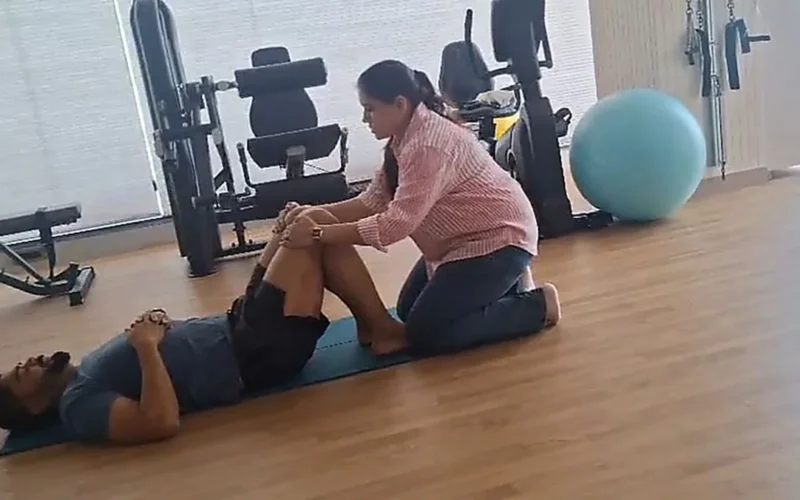
Try these home exercises for lower back pain from floor sitting. Do gently on a durry or mat. Stop if pain increases.
Do 2-3 times daily, 10-15 minutes total. Start with 1 set, add as comfort grows. Trivayu offers clinical Pilates and exercise therapy tailored to floor sitting.
Trivayu in Vaishali Nagar uses targeted techniques for back pain relief Jaipur style.
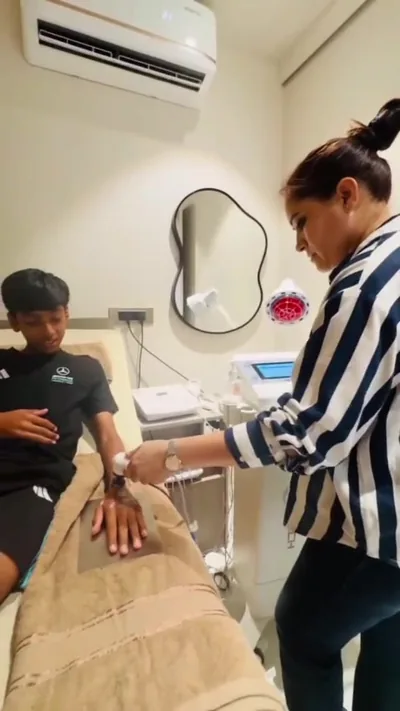
Manual therapy and myofascial release ease tight muscles like quadratus lumborum and piriformis. Robotic spinal decompression reduces disc pressure gently.
Dr. Jyoti Choudhary treats spine issues with joint mobilisation and soft tissue work. Dr. Ajit Choudhary handles rehab with strength programs. Dr.
Sessions last 45 minutes: 10 minutes assessment, 20 minutes therapy, 15 minutes exercises with feedback.
Physios teach floor-to-stand technique: roll to side, push up with hands, lead with head. They retrain glutes for safe rising, vital for elders.
Families face shared risks on durries during meals, festivals like Diwali pooja, or TV time. Teach children proper cross-legged posture: back straight, no knee crunching. Read more about our Posture Correction.
Desk workers in IT hubs add floor stretches post-work: 5-minute pelvic tilts before dinner. Use phone timers for breaks. Do group exercises: family cat-cow rounds before bed. You may also find Back Pain Sitting on Floor for Family Meals in Jaipur useful.
Combine with hydration—drink water hourly to keep spinal discs and muscles supple. Add 10-minute evening walks around the colony.
Vaishali Nagar physio tailors family plans, like group sessions for better compliance.
Watch for pain over weeks, leg numbness or tingling down to feet, pain spreading to hips or buttocks, worsening at night, trouble standing from floor, or leg weakness when walking.
Book at Trivayu Vaishali Nagar for physiotherapy. Open Mon-Sat 8 am to 8 pm, Sun 10 am to 1 pm. Call +91 90570 65065 or WhatsApp for slots.
No back support. Cross-legged or squatting flattens spine curve. Muscles tire, hip flexors shorten, glutes weaken.
Use cushions under sit bones. Extend legs forward. Take frequent breaks. Lean on wall support. Switch positions often.
Legs extended with slight knee bend. Spine tall and neutral. Cushion for lumbar curve. Side-sit for meals, alternate sides.
If pain lasts weeks, with numbness, weakness, trouble rising, or night pain. Get in-person assessment promptly.
Yes, via manual therapy, exercises, decompression, and posture training. Recovery varies by individual.
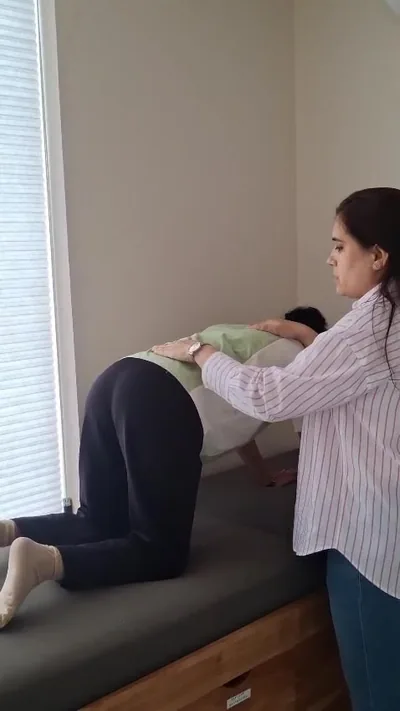
Yes, cat-cow, pelvic tilts, child’s pose, bridges, bird-dog. Practice under physio guidance for safety.
Full assessment of floor postures. Muscle release techniques. Ergonomics teaching. Custom exercises and home plan.
Yes, teach kids good habits, use aids for elders, do group stretches, track symptoms shared.
Manage back pain from durries with these practical steps. For tailored plans matching your family habits, seek physio at Trivayu Physio Center Vaishali Nagar.
Book your assessment today. WhatsApp or call +91 90570 65065.
Physiotherapy is not the right first step for everything. Seek medical assessment promptly if any of the following apply to you:
If you lose control of your bladder or bowels, develop numbness around the groin, or have chest pain or breathlessness, treat it as an emergency and go to hospital.
Understanding Back Pain from Office AC in Jaipur Office workers in Jaipur face lower back ache from cold AC. Air-conditioned rooms chill lower back muscles. Cold…
Read articleCall center workers in Jaipur face wrist pain from high-volume typing. Long shifts cause wrist fatigue, leading to hand and wrist discomfort. Repetitive strain affects BPO…
Read articleKnee pain from kneeling during temple prayers affects many elderly and adults in Jaipur. Prolonged kneeling on hard floors strains knees. Protective exercises before and after…
Read articleMessage us on WhatsApp with your main concern and preferred time, and we'll confirm your first visit the same day.