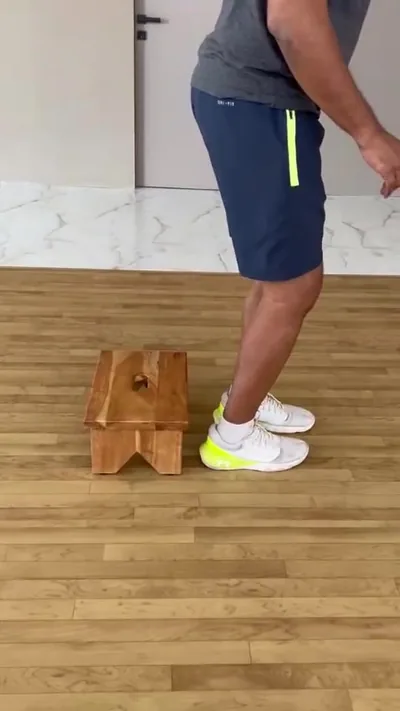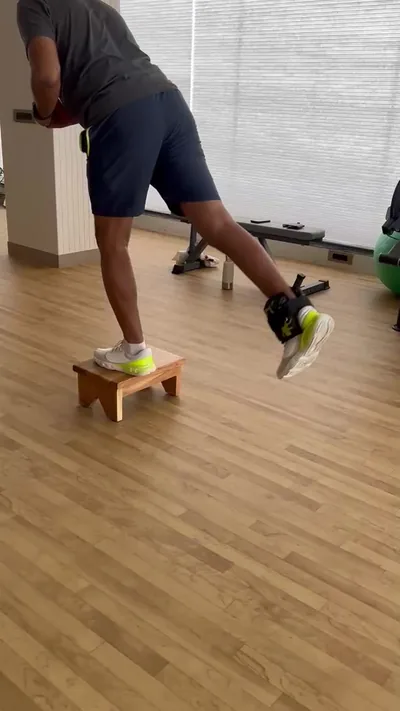
Backward Walking in ACL Rehab Phase 2
Backward walking helps athletes recover from ACL injuries. It builds knee stability in Phase 2 of rehab. This exercise targets quadriceps and improves control after surgery…
Read article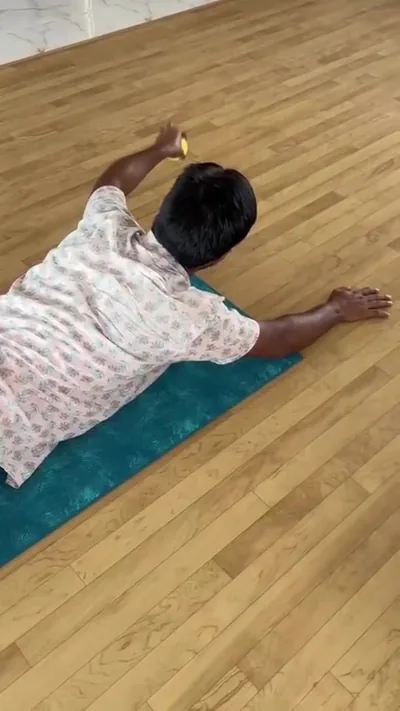

An L3 L4 slipped disc can press on nerves, causing thigh numbness. This often starts as a deep ache or tingling in the front of your thigh. Early notice helps manage it better. A home test like SLR can flag issues. Always see a physio for proper check.
SLR stands for Straight Leg Raise. It mimics doctor tests for nerve irritation. Done right at home, it hints at nerve compression L3 L4. But it is not a diagnosis. Use it to decide next steps.
Trivanga Physio Center in Vaishali Nagar offers hands-on care. Our team checks symptoms like yours. Book an assessment soon if pain persists.
L3 L4 discs sit in lower back. A slipped disc, or lumbar disc herniation, bulges out. It may pinch nerves supplying thigh. This leads to thigh numbness or weakness. Other signs include lower back pain radiating down.
Nerve compression L3 L4 often feels like pins and needles. It differs from local muscle strain. Sciatica thigh pain may mix in if it spreads further. Early slipped disc signs show in daily moves like bending.
Self test for disc bulge helps spot changes. Track if numbness worsens with sitting long. Still, see a doctor for scans if severe. Do not ignore leg numbness disc problem. Lumbar disc herniation symptoms build slowly. Watch for thigh weakness when climbing stairs. Or trouble lifting knee high. These point to femoral nerve involvement from L3 L4 pressure.
A physio starts with your story. They ask about pain start, daily triggers, and numbness spread. Hands-on checks feel spine alignment and muscle tightness. They test leg strength and reflexes next. Weak knee jerk hints at L3 L4 issues. Expect questions on bowel or bladder changes too – rare but urgent signs needing doctor first. Looking for a Physiotherapy Clinic Near Me? Our team in Vaishali Nagar, Jaipur can assess you in person.
SLR tests stretch sciatic nerve roots. For L3 L4, it checks femoral nerve too. A positive response means familiar pain or numbness. This points to disc issues without machines.
SLR targets lumbar radiculopathy symptoms. It recreates what provokes your thigh issues. Done at home, it guides when to act. But results vary by form. A physio version adds ankle dorsiflexion – pulling toes up – to heighten nerve tension. This sharpens the test for thigh-specific signs.
Recall, SLR has limits as self-assessment tool. Poor form skews results. Expert eyes spot true signs. If positive, avoid forward bends right after. Let nerves settle before daily tasks.
Lie on firm bed edge. Keep other leg bent knee to chest. Slowly raise straight leg to 30-70 degrees. Note thigh sensations. Stop well before sharp pain.
Stop if sharp back pain hits. Breathe steady through nose. Do once per side daily max. This mimics clinical check safely.
Watch for leg numbness disc problem clues. Tingling on front thigh flags L3 L4 slipped disc. Rest if sore after. Ice thigh 10 minutes helps calm nerve flare. Track date, angle reached, and feeling strength in a notebook. Patterns show if worsening.
Seated version suits if lying hurts. Sit chair edge, back straight. Extend one leg straight out, heel on floor. Slowly lift heel off floor to knee height. Feel thigh response. Lower controlled. Good for low back starters who bend poorly. More on Slip Disc Treatment and how we assess it.
Reverse SLR adds twist. Lie on stomach. Bend one knee slowly. Lift thigh off bed using hamstring pull. Targets deeper nerves. Note any front thigh pull or numbness. Limits range to 10-20 degrees at first.
Crossover test crosses over. Lie flat. Raise opposite leg straight. Pull it across body slightly. Mimics crossed sciatica thigh pain. Helps pinpoint side issues. Positive if same-side thigh tingles.
Each flags early slipped disc signs. Log feelings in diary. Share with physio later. Vary tests by day to avoid overuse. If all provoke thigh numbness, pause and seek check.
Sciatica thigh pain starts vague. Deep groin ache spreads front thigh. Lumbar disc herniation symptoms add low back stiffness mornings. Bending to tie shoes provokes it. Leg numbness disc problem worsens standing long. Front thigh skin feels odd – less sensitive to touch.
Nerve compression L3 L4 disrupts quadriceps. Knee buckles on stairs down. Early signs include hip flexor lag – trouble lifting knee fast. Test by marching in place. Weak lift hints at issue. Track if numbness shifts position-dependent, like better lying flat. You may also find Slipped Disc Tingling Feet Home Test useful.
Physio approach builds from here. They teach neutral spine posture first. Chin tuck, shoulders back, pelvis neutral. Practice 10 reps hourly. Add pelvic tilts lying down – rock pelvis gently 20 times. Eases disc pressure without strain.
Rest two days if positive. Note pain patterns daily. Avoid heavy lifting or twisting. Gentle walks 10 minutes twice daily help circulation. No running or squats yet.
Our Vaishali Nagar or Vidyadhar Nagar clinic waits. Dr. Jyoti handles spine care. Options like Robotic Spinal Decompression aid relief. Manual Therapy eases tight tissues around spine. Orthopaedic Rehabilitation rebuilds strength step by step. Electrotherapy reduces nerve irritation.
Expect 45-minute first session. Physio reviews your SLR log. Repeats tests accurately. Adds prone instability check – lift legs tiny bit off table. Plans home exercises like bridge holds, five seconds up, 10 reps. Progress to single-leg versions later.
It is nerve pinch from bulging disc. Leads to thigh pins, weakness. Often with back ache. Needs physio input. Front thigh focus sets it from lower sciatica.
Lie flat. Raise straight leg 30-70 degrees slow. Note thigh response. Stop at pain. Repeat safely on both sides.
Not always. Other causes like hip joint exist. Physio assesses true cause. Do not self diagnose. Check reflexes and strength tells more.
If numbness lasts over week. Or leg weakness grows. Early check prevents worsening. Also if night pain wakes you.
No. They hint only. Scans confirm structure. See us soon for full view.
Rest smart. Log details. Contact Trivanga team. We guide next with targeted plan.
Act on L3 L4 slipped disc thigh numbness now. Home tests guide, not replace, care. Our physios craft plans. Recovery builds steady.
Message WhatsApp or call +91 90570 65065. Start with in-person assessment. Feel better soon.
Physiotherapy is not the right first step for everything. Seek medical assessment promptly if any of the following apply to you:
If you lose control of your bladder or bowels, develop numbness around the groin, or have chest pain or breathlessness, treat it as an emergency and go to hospital.
Truly thankful to Dr. Jyoti Choudhary and the entire team of Trivayu Physio Centre for their genuine care, humble behaviour, and excellent treatment.
Mahesh Dhaka, Google review
This is one patient's own account, published with consent on our reviews page. It describes their experience, not a predicted outcome. Individual results vary.
Backward walking helps athletes recover from ACL injuries. It builds knee stability in Phase 2 of rehab. This exercise targets quadriceps and improves control after surgery…
Read articleAfter ACL surgery, rebuilding knee strength takes time and care. ACL rehabilitation phases guide this process step by step. Phase 1 protects the graft and cuts…
Read articleAfter hip replacement surgery, dressing your lower body safely helps build independence. By week 6 of hip replacement recovery, many patients aim to dress without help.…
Read articleMessage us on WhatsApp with your main concern and preferred time, and we'll confirm your first visit the same day.