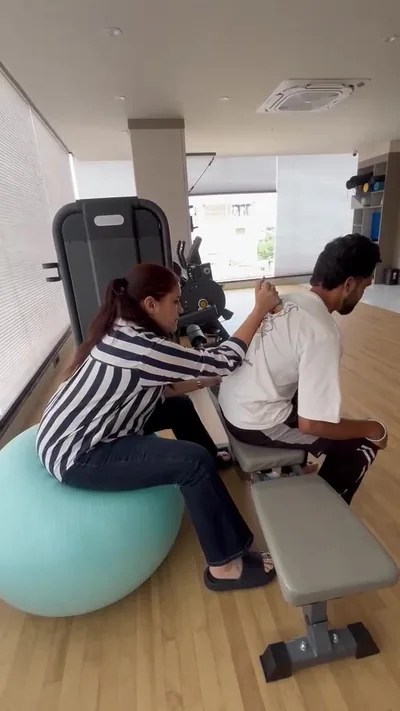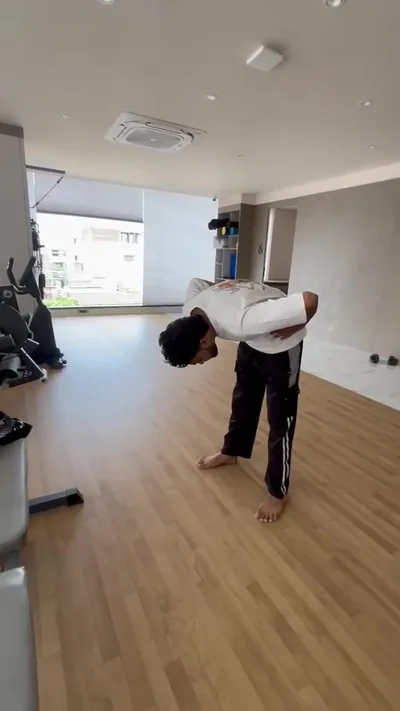
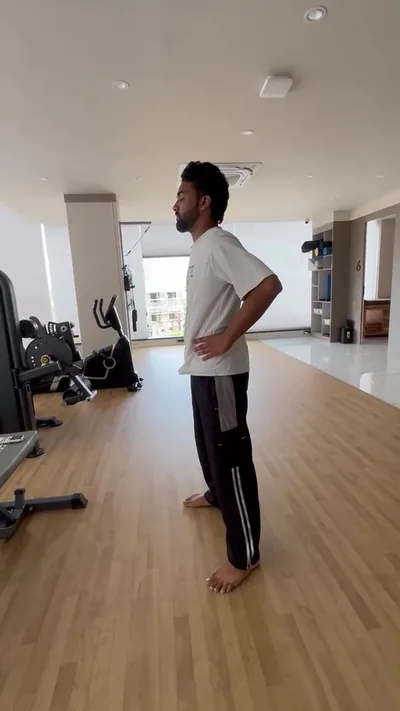
Is Side Bending Safe with L4 L5 Herniated Disc
An L4 L5 herniated disc happens when the disc between your fourth and fifth lumbar vertebrae bulges or ruptures. This presses on nearby nerves, causing pain…
Read article

After knee surgery, swelling often increases around day 3. This happens as your body responds to the operation. Ice helps control this by reducing inflammation. Proper timing matters for comfort and recovery.
On day 3, focus on knee surgery ice day 3 protocols. These guide ice pack frequency to ease knee swelling after surgery. Always follow your surgeon’s advice first. For tailored post-op knee care in Jaipur, consult a physiotherapist.
Trivayu Physio Center in Vaishali Nagar offers support for such recovery needs. This article shares general tips on post knee surgery ice timing and swelling management day 3.
Swelling peaks around day 3 post knee surgery. Surgical trauma triggers fluid buildup in tissues. Your body sends blood and cells to heal the area, causing puffiness.
Ice, or cryotherapy knee recovery, narrows blood vessels. This limits extra fluid and eases pain. Used right, it supports icing schedule knee surgery without harming skin.
Timing is key in knee rehab ice protocol. Too little ice lets swelling grow. Overdoing it risks skin damage. Listen to your body and check with your doctor. Looking for a Physiotherapist Near Me? Our team in Vaishali Nagar, Jaipur can assess you in person.
Day 3 marks a shift from initial post-op haze. Anaesthesia wears off. You notice more stiffness. Fluid shifts from surgery site to surrounding knee areas. This makes the joint feel full and limits bend.
General guidelines suggest icing 3-4 times on day 3. Each session lasts 15-20 minutes. Space them every 2-3 hours while awake. This targets ice pack frequency day 3 for best results.
Factors like surgery type affect needs. Larger operations may need more sessions. Your pain level and skin colour guide changes.
Track symptoms to adjust post knee surgery ice timing. Note changes in a journal. Record knee size with a tape measure around the centre. Compare morning and evening. Log pain level from 1 to 10 before and after ice.
A physiotherapist would assess your knee on day 3. They check range of motion gently. They note effusion by pressing above the kneecap. This helps customise your ice plan alongside other steps.
Follow this step-by-step for safe icing:
Combine with elevation and rest. Prop knee on pillows. Avoid tight wraps.
Common mistakes include icing too long or without barrier. These cause frostbite or irritation. Check skin every 5 minutes during use. Look for white patches, redness or blisters. More on Knee Pain Treatment and how we assess it.
Choose the right ice source. Frozen peas work well as they mould to the knee. Gel packs stay cold longer. Avoid leaking bags. Keep a spare ready during the day.
Elevation pairs with ice. Raise knee 30-45 cm above heart. Do this for 30 minutes after each ice session. Gravity drains fluid back to your core.
Cryotherapy knee recovery goes beyond basic packs. Compression wraps with ice pockets hold cold steady. Game Ready systems circulate chilled water, but check if your surgeon approves.
A physiotherapist teaches correct placement. They ensure ice covers the whole swollen area, from thigh to shin. This prevents uneven cooling.
What to expect in clinic: First visit post-op, they test skin sensitivity. They demo full protocol. Follow-up checks progress weekly.
Day 3 demands a routine. Start with ice every 2 hours from wake-up. Alternate with ankle pumps: Point toes up and down 10 times hourly. This pumps blood without knee stress. You may also find Ice Pack Frequency After Knee Surgery Week 3 useful.
Compression helps if doctor allows. Use elastic bandage snug but not tight. Start below knee, wrap upward. Check toes stay pink and warm.
Hydrate well. Sip 2-3 litres water daily unless restricted. Limit salt to cut fluid hold. Foods like pineapple or turmeric may ease inflammation through natural compounds.
Avoid standing long. Use crutches as instructed. Sit with knee straight or slight bend.
Watch for red flags. If swelling worsens, skin turns very red, or pain spikes despite ice, seek help. Fever or pus signals infection.
Professional input aids reduce knee swelling post op. At Trivayu Physio Center, Vaishali Nagar, experts use Manual Therapy and Electrotherapy. These complement ice for better control. Orthopaedic Rehabilitation fits post-op needs.
Dr. Jyoti Choudhary and team handle post-op knee care Jaipur style. They assess gait on crutches. Guide weight-bearing steps. Book an in-person assessment. They also serve Vidyadhar Nagar.
In session, expect hands-on drain techniques. Gentle massage moves fluid. Electrotherapy pads deliver pulses to calm nerves and reduce puffiness.
By day 5, swelling often eases if protocol works. Shift ice to 2-3 times daily. Add quad sets: Tighten thigh muscle 5 seconds, relax, repeat 10 times.
Physio approach builds on ice. They introduce heel slides if safe. Slide heel toward bottom slowly. Hold 5 seconds. This regains bend without force.
Track milestones. Note first crutch-free steps. Measure knee bend angle daily with phone app or mirror.
Pair ice with gentle moves if cleared by your doctor. Ankle pumps aid circulation without strain.
Stay hydrated. Drink water to flush fluids. Eat anti-inflammatory foods like fruits and vegetables.
Monitor progress. Measure knee girth daily. Note pain on a 1-10 scale.
Sleep setup matters. Prop knee higher than hip. This cuts overnight swelling. Wake once for ice if knee throbs.
Contact Trivayu Physio Center for advice. Locations in Vaishali Nagar and Vidyadhar Nagar, Jaipur.
Aim for 3-4 times, 15-20 minutes each. Adjust based on swelling and comfort. Consult your surgeon.
15-20 minutes per session. Longer risks skin injury. Always use a barrier.
Right after surgery, as advised. Continue through early days like day 3.
Yes, it reduces inflammation and fluid. Part of standard swelling management day 3.
Yes. Over-icing causes numbness, blisters or poor circulation. Follow time limits and breaks.
Check elevation and rest. If no change, contact your doctor or physio. May need hands-on care.
Yes. Both work together. Elevate 30 minutes after each ice session for drainage.
No. Wait till physio clears. Swelling limits control.
Day 3 sets the tone for knee recovery. Use these tips for safer progress. Consistent care aids healing. Proper habits now speed later rehab steps.
Book an assessment at Trivayu Physio Center, Vaishali Nagar. WhatsApp or call +91 90570 65065.
Physiotherapy is not the right first step for everything. Seek medical assessment promptly if any of the following apply to you:
If you lose control of your bladder or bowels, develop numbness around the groin, or have chest pain or breathlessness, treat it as an emergency and go to hospital.
Truly thankful to Dr. Jyoti Choudhary and the entire team of Trivayu Physio Centre for their genuine care, humble behaviour, and excellent treatment.
Mahesh Dhaka, Google review
This is one patient's own account, published with consent on our reviews page. It describes their experience, not a predicted outcome. Individual results vary.
An L4 L5 herniated disc happens when the disc between your fourth and fifth lumbar vertebrae bulges or ruptures. This presses on nearby nerves, causing pain…
Read articleShopkeepers in Jaipur often stand for long hours behind counters. This prolonged standing can trigger sciatica pain. Sciatica happens when the sciatic nerve gets irritated, often…
Read articleHerniated disc night pain disrupts sleep for many. The disc bulge presses on nerves, causing sharp back pain or sciatica that flares up at night. Simple…
Read articleMessage us on WhatsApp with your main concern and preferred time, and we'll confirm your first visit the same day.