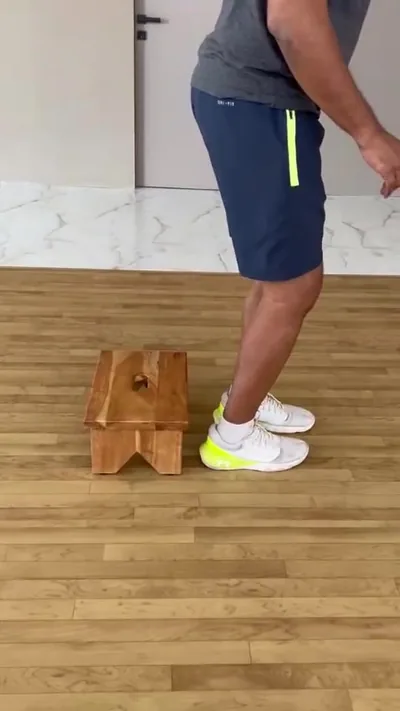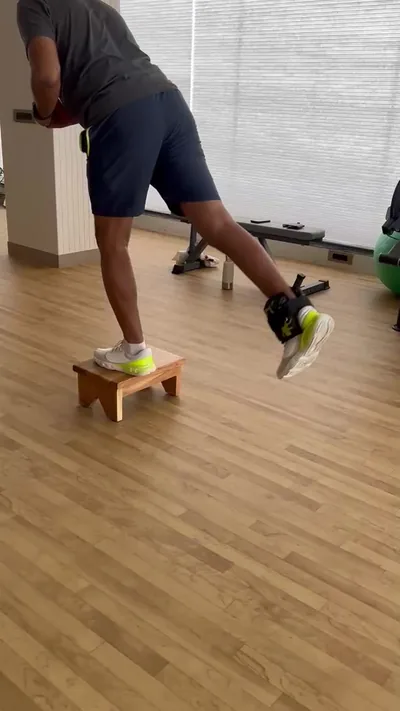
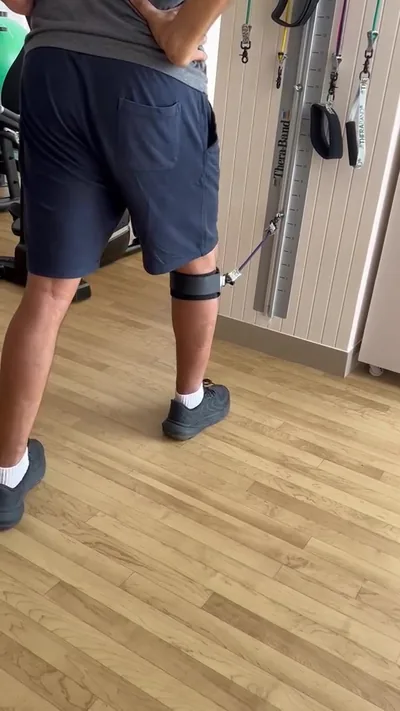
Backward Walking in ACL Rehab Phase 2
Backward walking helps athletes recover from ACL injuries. It builds knee stability in Phase 2 of rehab. This exercise targets quadriceps and improves control after surgery…
Read article

After knee replacement surgery, wound leakage often worries patients in the first week. Some seepage is common as part of healing. Knowing normal from problem signs helps manage at home. This guide covers knee replacement wound leakage in Jaipur.
Normal seepage is clear or slightly bloody fluid in small amounts. Excessive leakage or changes may signal issues. Get an in-person check if unsure. Trivayu Physio Center in Vaishali Nagar supports post-surgery rehab.
Follow your surgeon’s advice first. Physiotherapy aids recovery but does not replace medical care. Contact a professional for personal concerns.
In the first week after knee replacement, the wound may leak fluid. This seepage is part of normal healing. The body removes extra fluid and blood from the site.
Normal seepage looks clear or pink-tinged in small amounts, soaking a dressing lightly. In Jaipur, patients notice this on days 2 to 5. It reduces as the wound seals. Looking for a Physiotherapy Clinic Near Me? Our team in Vaishali Nagar, Jaipur can assess you in person.
Excessive leakage soaks multiple dressings quickly or lasts beyond a week. Cloudy, thick fluid differs from normal. See your doctor for an in-person check if concerned. Do not rely on online advice alone.
Normal healing follows stages. The wound closes at the surface, then deeper tissues knit. Seepage clears debris. By week two, the wound often dries if no issues. Swelling eases with elevation and rest. Skin edges pull together without gaps. Track changes: fluid colour, amount on dressing, knee warmth.
Spot normal wound drainage from infection signs. Normal healing shows:
Infection signs include:
Normal seepage peaks mid-first week then fades. It aids cleaning. Track changes daily. Expect less fluid by day 7. Mild bruising fades to yellow.
Worsening signs mean seek help fast. Infection signs like fever need prompt care. Compare wound daily. Worry if fluid turns yellow-green, increases after day 5, soaks dressings hourly, or pairs with stiffness blocking gentle bends.
Proper wound care keeps the site clean. Change dressings as surgeon directs, often every 1-2 days or if soaked. Wash hands first.
Materials: sterile gauze, adhesive tape, clean towel, mild soap, warm water. Avoid lotions or ointments unless prescribed. Use saline if advised – one teaspoon salt in one litre boiled cooled water. Read more about our Orthopaedic Physiotherapy.
Keep knee dry during baths. Use waterproof covers or plastic wrap. Avoid submerging for two weeks or as surgeon says. Pat dry after shower. Avoid changing if scabs form unless soaked. Seek help if pain increases or bleeding starts.
Elevate knee above heart 20 minutes before and after dressing. Wear loose pyjamas. Sleep with knee on pillow.
Elevate leg when sitting or lying – 2-3 pillows under calf, not knee. Ice pack in cloth for 15 minutes every 2 hours first days. Do not place ice direct on skin.
Walk short distances with walker as allowed. Avoid bending past 90 degrees early. Keep dressing dry – use fan in heat. No tight bandages unless prescribed. You may also find Knee Replacement Wound Care First Month Jaipur useful.
Eat protein-rich foods like dal, paneer, eggs. Drink water. Avoid smoking. Track weight – sudden gain signals fluid build-up.
If wound opens slightly, cover loosely and call surgeon. Do not pick scabs. Cover new scar outdoors.
Red flags need urgent care. Contact surgeon if spreading redness, pus, fever, severe pain, increasing leakage after day 5, bad smell, or hot knee.
Physiotherapists at Trivayu check wound during sessions but refer to doctor. Do not start physio if wound weeps heavily.
At Trivayu Physio Center, Vaishali Nagar, Jaipur, Dr. Jyoti Choudhary (17+ years orthopaedics) leads. Dr. Hritika Choudhary specialises in post-op rehab. Home visits and online consultation available. Also at Vidyadhar Nagar, Rangoli Gardens. Call +91 90570 65065 or WhatsApp. Physiotherapists refer medical issues to doctors.
Physiotherapy improves blood flow and reduces stiffness without diagnosing wounds. Gentle exercise starts early under guidance.
First visit checks range, strength, wound. Teach ankle pumps: point toes up-down 10 times hourly. Quad sets: tighten thigh 5 seconds, 10 repeats thrice daily.
Techniques: TENS for pain, manual therapy for stiffness, clinical Pilates for stability. Electrotherapy pads around knee, not on wound.
Session: 45 minutes. Start seated heel slides: slide heel towards bottom, 10 times. Progress to standing. Home program with pictures. Twice-weekly for four weeks.
Adjust for leakage – delay weight-bearing if needed. Home visits day 3-5 if cleared. Book at Vaishali Nagar or Vidyadhar Nagar. Physiotherapy complements medical care.
Yes, small clear or pink seepage is normal first week. It decreases. Track and consult if changes.
Cloudy fluid, bad smell, spreading redness, swelling, warmth, fever differ from normal drainage.
Change dressing as directed. Keep clean. Note details, contact surgeon if excessive or smelly. Elevate and ice.
Follow surgeon’s plan, often daily or when wet. Use sterile supplies. Check twice daily.
For rehab if cleared by doctor. Urgent issues to surgeon first. Call Trivayu for appointment.
Physio aids circulation, supporting healing indirectly. Does not treat wounds. Get in-person assessment.
Fades by end of first week. Wound dries, scabs form. Full scar strength takes months.
Watch for changes and act early. Trivayu team guides post-op care.
Book an assessment today. WhatsApp or call +91 90570 65065 for knee replacement support in Jaipur.
Physiotherapy is not the right first step for everything. Seek medical assessment promptly if any of the following apply to you:
If you lose control of your bladder or bowels, develop numbness around the groin, or have chest pain or breathlessness, treat it as an emergency and go to hospital.
Truly thankful to Dr. Jyoti Choudhary and the entire team of Trivayu Physio Centre for their genuine care, humble behaviour, and excellent treatment.
Mahesh Dhaka, Google review
This is one patient's own account, published with consent on our reviews page. It describes their experience, not a predicted outcome. Individual results vary.
Backward walking helps athletes recover from ACL injuries. It builds knee stability in Phase 2 of rehab. This exercise targets quadriceps and improves control after surgery…
Read articleAfter ACL surgery, rebuilding knee strength takes time and care. ACL rehabilitation phases guide this process step by step. Phase 1 protects the graft and cuts…
Read articleAfter hip replacement surgery, dressing your lower body safely helps build independence. By week 6 of hip replacement recovery, many patients aim to dress without help.…
Read articleMessage us on WhatsApp with your main concern and preferred time, and we'll confirm your first visit the same day.