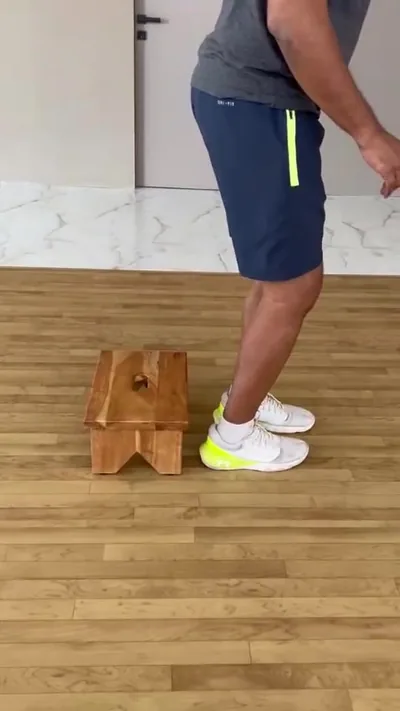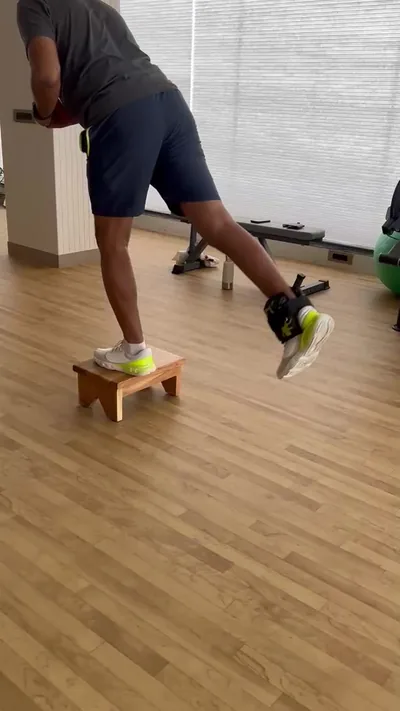
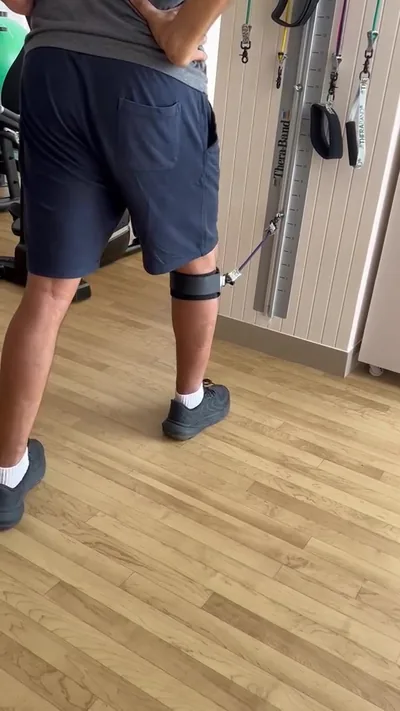
Backward Walking in ACL Rehab Phase 2
Backward walking helps athletes recover from ACL injuries. It builds knee stability in Phase 2 of rehab. This exercise targets quadriceps and improves control after surgery…
Read article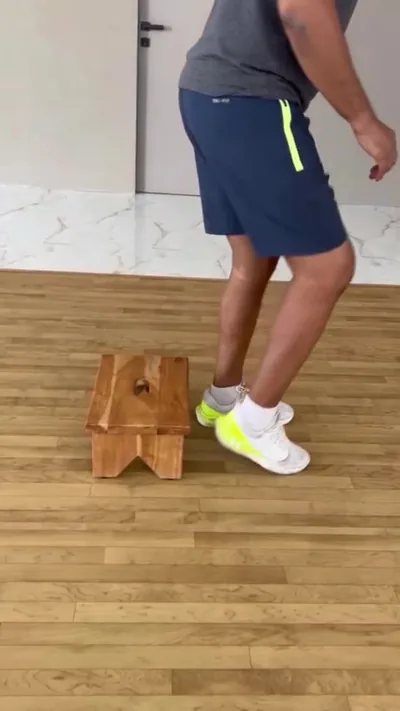

After knee replacement surgery, climbing stairs challenges balance in week 5. Your new knee needs time to gain strength and control. Handrails provide support for safe progression on stairs.
At this stage, patients manage basic stair use but face risks like wobbling or knee buckling. Proper handrail techniques build balance. Always check with your physiotherapist before trying new moves. Trivayu Physio Center in Vaishali Nagar, Jaipur, guides post-surgery patients.
Focus on slow, controlled movements. Grip handrails firmly to protect your knee. This article covers techniques for descent, ascent and progression in week 5 recovery. It explains physiotherapist stair assessment, common gait faults post knee surgery, and drills to improve balance and stair safety.
Week 5 marks a recovery stage post knee surgery. Swelling reduces, but knee stability lags. Balance issues on stairs include poor weight shift and fear of falling. Looking for a Physiotherapy Near Me? Our team in Vaishali Nagar, Jaipur can assess you in person.
Stairs demand more from the operated knee than flat walking. Descent stresses the joint with eccentric quadriceps loading—thigh muscle lengthens under load to slow descent. Ascent tests quadriceps strength for concentric contraction—muscle shortens to lift body. Handrails offload knee pressure and steady body.
A physiotherapist assesses stair use by watching heel strike, knee bend, weight transfer and toe-off. They note knee hyperextension, valgus collapse or hip hiking to avoid knee bend. These faults increase fall risk.
See a physiotherapist for in-person assessment. They check gait and knee range. At Trivayu Physio Center Vaishali Nagar or Vidyadhar Nagar, experts spot issues. During sessions, they demonstrate foot placement and coach step-by-step while holding the rail. More on Knee Pain Treatment and how we assess it.
Descending stairs leads with the operated leg in week 5. Grip the handrail with one hand. Face the railing squarely. Keep operated knee slightly bent to absorb impact.
Follow these steps:
Keep torso centred over feet. Avoid leaning. Common mistakes include rushing, weak grip or locking unoperated knee. These raise fall risk. If knee feels unstable, pause and reset weight over handrail-supported side. You may also find Knee Replacement Stairs Week 5 Balance Steps useful.
Physiotherapists teach a “test step”: dip operated foot to feel stair edge without commitment. Practice on a single step before full stairs.
Ascending uses trailing leg method. Operated leg goes up last. This lets unoperated leg do most lifting.
Steps for climb:
Use full hand wrap. Keep chest up, shoulders back. For two-handrail stairs, use both. If one rail, keep free hand near wall.
Signs ready to progress: Pain-free descent with steady gait. No knee giving way. Confident handrail use. Physiotherapist confirms by timing 10 steps without pause.
Reduce handrail reliance: Touch lightly with palm, then one finger, then air-touch. Practice on wide stairs. Balance drills:
Do drills daily before stairs. Track steps taken, instability or pain level 0-10. Stop if pain returns. Wear supportive shoes with grip. Ensure even risers, no clutter.
Manual Therapy eases knee stiffness. Orthopaedic Rehabilitation targets gait retraining. Electrotherapy reduces pain and swelling.
Trivayu Physio Center team handles post-surgery rehab. Dr. Jyoti Choudhary, with 17+ years in orthopaedics, customises plans. Dr. Hritika Choudhary handles electrotherapy. Dr. Ishu Sharma focuses on exercise therapy.
Sessions include stair practice or simulated steps. They use mirrors and video analysis. Home exercises: 2-3 stair sets daily, plus drills. Adjust based on knee range, strength tests and balance scores.
Book at Vaishali Nagar or Vidyadhar Nagar. Progress safely with pros.
Grip firmly. Lead with operated leg down, trail up. Keep body over feet. Go slow. Use full palm wrap and pull lightly.
Not yet for most. Handrails prevent falls. Progress after physio clears with balance tests.
Single-leg stands, heel-to-toe walks, step-ups near rail, marches. 2-3 sets daily under guidance.
When steady and pain-free with light handrail touch. After physio assessment around week 5-6.
Builds strength, fixes gait flaws, cuts pain. Targets knee control with feedback.
Use handrails. Wear supportive shoes. Clear clutter. Test step edge. Get physio check at Trivayu Vaishali Nagar. Avoid dim lights.
Descent loads knee eccentrically. Build quad control with step-downs. Physiotherapist guides.
Strengthen core and hips. Practice slow reps with handrail. Physiotherapist corrects imbalances.
Master handrail techniques for safer stairs. Practice with physio input. Balance improves.
Book an in-person assessment at Trivayu Physio Center today. WhatsApp +91 90570 65065 or call to start stairs training.
Physiotherapy is not the right first step for everything. Seek medical assessment promptly if any of the following apply to you:
If you lose control of your bladder or bowels, develop numbness around the groin, or have chest pain or breathlessness, treat it as an emergency and go to hospital.
Truly thankful to Dr. Jyoti Choudhary and the entire team of Trivayu Physio Centre for their genuine care, humble behaviour, and excellent treatment.
Mahesh Dhaka, Google review
This is one patient's own account, published with consent on our reviews page. It describes their experience, not a predicted outcome. Individual results vary.
Backward walking helps athletes recover from ACL injuries. It builds knee stability in Phase 2 of rehab. This exercise targets quadriceps and improves control after surgery…
Read articleAfter ACL surgery, rebuilding knee strength takes time and care. ACL rehabilitation phases guide this process step by step. Phase 1 protects the graft and cuts…
Read articleAfter hip replacement surgery, dressing your lower body safely helps build independence. By week 6 of hip replacement recovery, many patients aim to dress without help.…
Read articleMessage us on WhatsApp with your main concern and preferred time, and we'll confirm your first visit the same day.