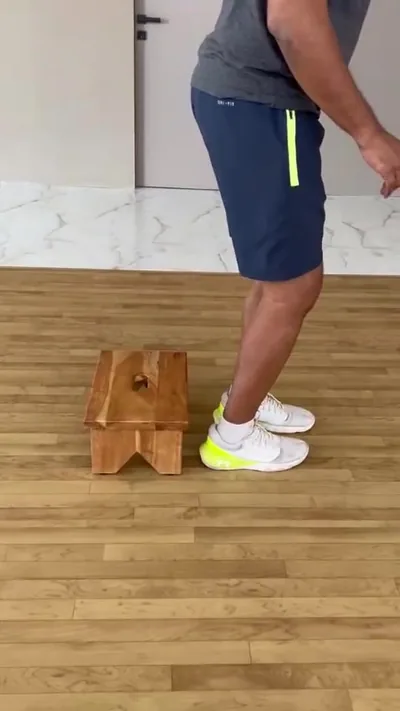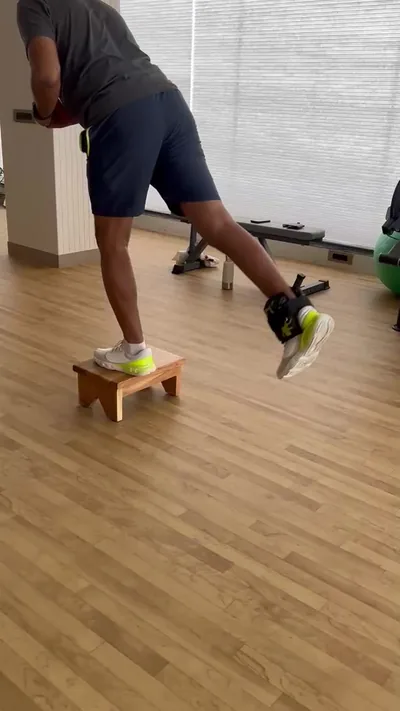
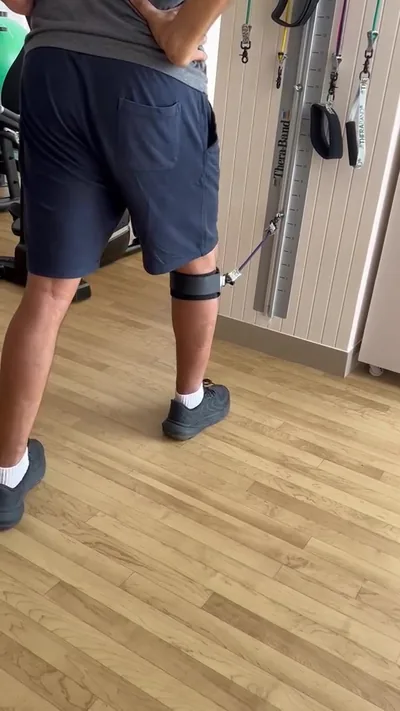
Backward Walking in ACL Rehab Phase 2
Backward walking helps athletes recover from ACL injuries. It builds knee stability in Phase 2 of rehab. This exercise targets quadriceps and improves control after surgery…
Read article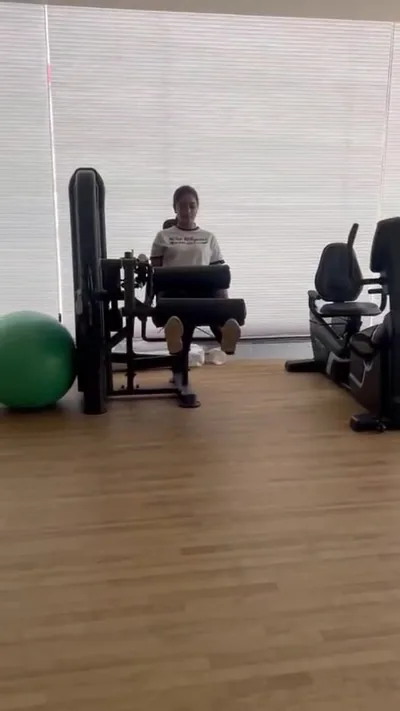

After knee replacement surgery, many elderly in Jaipur want to return to temple visits. These involve deep squats and climbing steps. Regaining this ability takes time and care. This guide explains safe ways to build strength for knee replacement temple squats.
Knee replacement reduces pain and improves movement. Full recovery needs guided exercises. Temple steps demand quad strength and balance. Start slow to protect the new joint. A physiotherapist checks knee range, muscle power, and walking pattern before suggesting squats. They test stability to guide progression.
Knee replacement replaces damaged joint parts with artificial ones. It eases pain from arthritis or injury. Recovery starts with basic movements like bending and straightening the knee. Early days focus on walking with crutches and gentle bends up to 90 degrees. Over weeks, add weight-bearing activities as healing progresses.
In Jaipur, temple visits are part of daily life for many elderly. Deep squats or floor sitting are common. Temple steps after knee replacement challenge the new joint. Climbing stairs needs strong legs and steady balance. Temple stairs often have uneven surfaces, narrow treads, and high risers. Uneven courtyards add instability during festivals.
Realistic goals matter. Not everyone regains full squat depth. Focus on safe, pain-free movement. Gradual work builds confidence for religious sites without risking falls. A physio teaches rising from a squat using arms on knees. They advise using railings or walls for stability during prayer. Looking for a Physiotherapy Clinic Near Me? Our team in Vaishali Nagar, Jaipur can assess you in person.
Build knee replacement squat progression step by step. Start with support. Increase depth only when sets are pain-free. Breathe out as you stand to engage core. Keep weight through heels. Align knees over toes.
Progress at your pace. If soreness lasts over 24 hours, hold at that level.
Safety tips: Warm up with 5-10 minutes flat walking. Stop if pain increases or knee unstable. Use non-slip shoes. Practice on flat ground first. If knee clicks, grinds, or swells, pause and tell physio or doctor. Watch for fatigue.
For gradual squat training post knee replacement, add single-leg balance holds: 10-20 seconds on operated leg, holding support. Progress to eyes closed.
Target quads, hamstrings, glutes, and calves for climbing temple stairs after knee surgery. Do exercises 3-4 days a week. Combine with daily walks, starting 10 minutes, adding 5 minutes weekly if tolerated. Manual Therapy loosens stiff joints. More on Knee Pain Treatment and how we assess it.
Strengthening quads after knee replacement aids joint protection temple visits. Strong quads absorb shock. Add Electrotherapy if swelling limits movement. For balance, try tandem stance: heel-to-toe walk, 10-20 steps.
Test on home stairs first, 5-10 steps. Use handrail, aim for operated leg lead. For temple: choose quiet times. Use walking stick or family support. Limit to 10-15 steps. Sit on low bench. For floor, use cushion under knee. Rise using hands. Hydrate well. Go with companion.
Elderly face pain, swelling, stiffness, or balance loss during gradual squat training post knee replacement. Knees may stiffen after cross-legged sitting. Plan short visits first.
Ice knee 15-20 minutes after activity, wrapped. Elevate above heart 20 minutes, 3 times daily. Use compression if approved. If swelling grows or motion limits, rest and contact surgeon or physio. Use lukewarm water. You may also find Knee Replacement Stairs Week 5 Balance Steps useful.
Use walking stick on temple stairs. Wear shoes with rubber soles. Do heel-to-toe stands 30-60 seconds daily.
Use cushion under knee. Rise slowly using hands. Follow with knee bends and quad sets. If stiff after 30 minutes, stand and walk.
Precautions: Avoid sharp pain, twisting, uneven ground. Check for redness, heat, pus, fever. Track progress in notebook: reps, steps, pain 0-10. Share with physio.
Self-exercises miss personal needs like scar tissue. At Trivayu Physio Clinic in Vaishali Nagar, Jaipur, our team customises Jaipur knee replacement rehab. They assess gait, squat form, and balance for temple demands.
Dr. Jyoti Choudhary, 17+ years in orthopaedics, leads post-op care. Dr. Hritiksha Choudhary specialises in rehab. Orthopaedic Rehabilitation includes step training. Visit for temple squat exercise knee replacement plans. We serve Vidyadhar Nagar. Sessions include hands-on checks and home plans.
Basic bends day 1 if cleared. Chair squats 4-6 weeks if wound healed. Deeper 8-12 weeks with physio okay. Follow medical advice.
Individual: start 30 degrees, advance to 90 if pain-free. Physio measures ROM.
Quad sets, leg raises, step-ups, then squats. Daily short sessions. Track weekly.
They support but lack form feedback. Pro guidance prevents pain later.
At plateau, pain >3/10, swelling, asymmetry.
Buddy system, aids, stable shoes, limit steps.
In summary, post knee replacement squats for temple steps need patient progression. Build strength for safe joint protection temple visits and climbing temple stairs after knee surgery. Combine home work with expert input.
Book an in-person assessment at Trivayu Physio Clinic today. WhatsApp or call +91 9057065065 to start your knee replacement temple squat plan. Address: Trivayu Physio Clinic, Vaishali Nagar, Jaipur.
Physiotherapy is not the right first step for everything. Seek medical assessment promptly if any of the following apply to you:
If you lose control of your bladder or bowels, develop numbness around the groin, or have chest pain or breathlessness, treat it as an emergency and go to hospital.
Truly thankful to Dr. Jyoti Choudhary and the entire team of Trivayu Physio Centre for their genuine care, humble behaviour, and excellent treatment.
Mahesh Dhaka, Google review
This is one patient's own account, published with consent on our reviews page. It describes their experience, not a predicted outcome. Individual results vary.
Backward walking helps athletes recover from ACL injuries. It builds knee stability in Phase 2 of rehab. This exercise targets quadriceps and improves control after surgery…
Read articleAfter ACL surgery, rebuilding knee strength takes time and care. ACL rehabilitation phases guide this process step by step. Phase 1 protects the graft and cuts…
Read articleAfter hip replacement surgery, dressing your lower body safely helps build independence. By week 6 of hip replacement recovery, many patients aim to dress without help.…
Read articleMessage us on WhatsApp with your main concern and preferred time, and we'll confirm your first visit the same day.