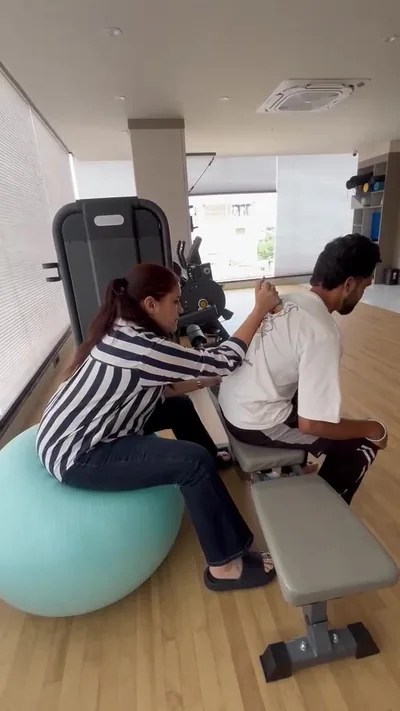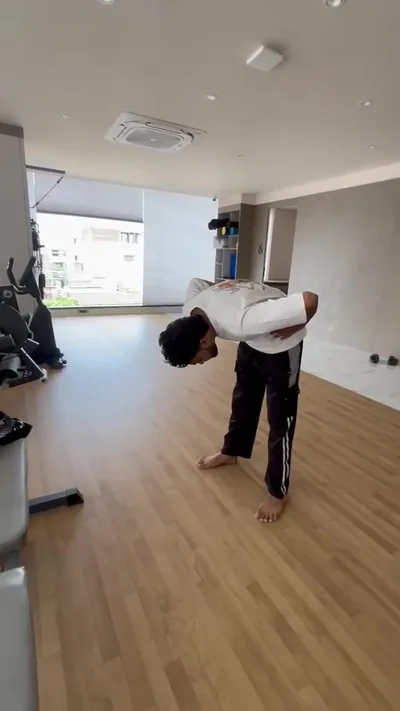
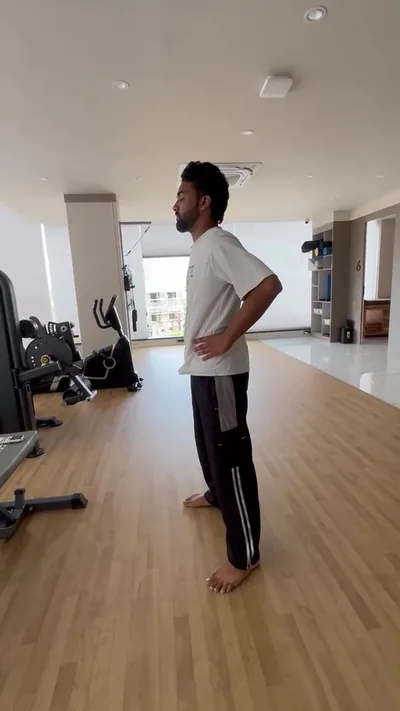
Is Side Bending Safe with L4 L5 Herniated Disc
An L4 L5 herniated disc happens when the disc between your fourth and fifth lumbar vertebrae bulges or ruptures. This presses on nearby nerves, causing pain…
Read article

In week 2 after knee replacement surgery, your new joint needs care to heal well. Bath transfers can be tricky due to pain, swelling, and limited knee bend. Safe techniques help you avoid falls and support recovery. This guide shares practical steps for getting in and out of the bath safely at home.
Always check with your surgeon or physiotherapist before trying these. Everyone heals differently. At Trivayu Physio Center in Jaipur, we offer Post-Surgery & Joint Replacement Rehab to guide your early recovery. An in-person assessment ensures the right plan for you.
Focus on slow moves and use help if needed. These tips aim to keep your knee safe during daily tasks like bathing.
By week 2, your knee may still have swelling and stiffness. You can often bear some weight but bending fully is hard. Steps into a bath raise the risk of slips or twists that strain the new joint. Looking for a Physiotherapy Near Me? Our team in Vaishali Nagar, Jaipur can assess you in person.
Bath transfers are risky because wet floors are slippery. Limited balance makes standing from a low seat tough. A fall could harm the surgical site and slow healing.
Safe techniques matter to protect your knee. They reduce stress on the joint and build confidence. Manual Therapy at our clinic can help improve strength and movement control. But first, get a proper in-person physio assessment to match advice to your needs. More on Knee Pain Treatment and how we assess it.
Start with simple changes to make your bathroom safer. These low-cost steps support bath safety after knee replacement.
These aids make transfers easier in early recovery. At Trivayu Physio Center, we teach such adaptations during sessions.
Follow these steps for knee replacement bath transfer. Move slowly. Stop if you feel sharp pain or instability. Use your stronger leg and arms for support.
Practice these with help at first. They tie into our Post-Surgery & Joint Replacement Rehab programs for smooth progress.
Avoid these errors to prevent setbacks in week 2 knee replacement recovery.
From our work in knee rehab, these tips come up often. Steady practice builds safe habits.
Seek help if bath transfers feel unsafe. Signs include increased pain, swelling, knee giving way, or trouble with steps.
At Trivayu Physio Center, Vaishali Nagar or Vidyadhar Nagar, our team handles post-op care. Dr. Jyoti Choudhary leads with 17+ years in orthopaedics. Dr. Hritika Choudhary specialises in advanced rehab. We cover knee replacement transfer tips and more. You may also find Knee Replacement Shower Safety Week 2 useful.
Book an assessment for personalised advice. Home visits and online consultations are available too. Call +91 90570 65065 or WhatsApp to start.
Use grab bars and a bath stool. Enter with the operated leg first while seated. Exit pushing up with arms and good leg. Go slow to keep knee safe.
Fit non-slip mats and bars. Avoid deep bends. Sit to transfer. Have help nearby. Watch for pain or wobble.
Limit bends to what feels comfortable, often 90 degrees or less in week 2. Use a stool to reduce the need. Check with your physio for your limit.
Grab bars, non-slip mats, shower stools, and raised bath seats. These make transfers steady without deep knee flexion.
If pain worsens, balance is off, or you fear falls. Visit Trivayu Physio Center for hands-on checks and training.
Safe bath habits aid your week 2 knee replacement recovery. Build them step by step with support. A physio assessment tailors this to you.
Ready for help? Book an assessment at Trivayu Physio Center via WhatsApp or phone at +91 90570 65065.
Physiotherapy is not the right first step for everything. Seek medical assessment promptly if any of the following apply to you:
If you lose control of your bladder or bowels, develop numbness around the groin, or have chest pain or breathlessness, treat it as an emergency and go to hospital.
Truly thankful to Dr. Jyoti Choudhary and the entire team of Trivayu Physio Centre for their genuine care, humble behaviour, and excellent treatment.
Mahesh Dhaka, Google review
This is one patient's own account, published with consent on our reviews page. It describes their experience, not a predicted outcome. Individual results vary.
An L4 L5 herniated disc happens when the disc between your fourth and fifth lumbar vertebrae bulges or ruptures. This presses on nearby nerves, causing pain…
Read articleShopkeepers in Jaipur often stand for long hours behind counters. This prolonged standing can trigger sciatica pain. Sciatica happens when the sciatic nerve gets irritated, often…
Read articleHerniated disc night pain disrupts sleep for many. The disc bulge presses on nerves, causing sharp back pain or sciatica that flares up at night. Simple…
Read articleMessage us on WhatsApp with your main concern and preferred time, and we'll confirm your first visit the same day.