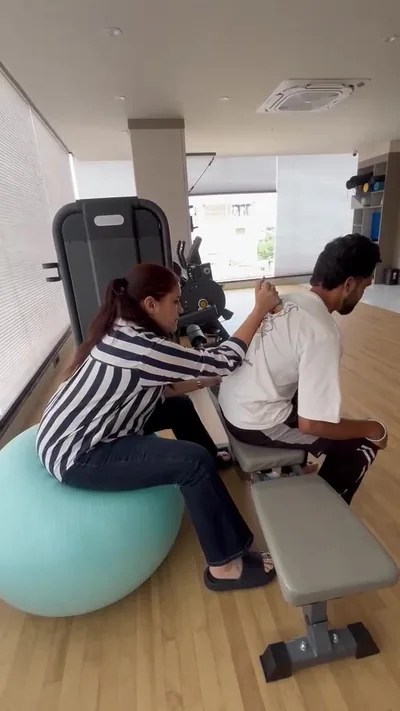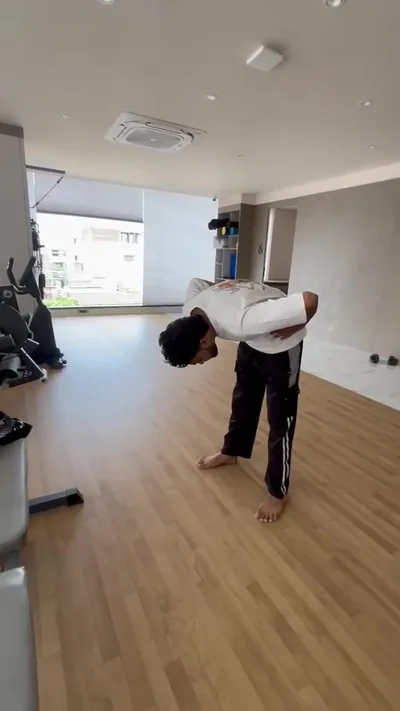
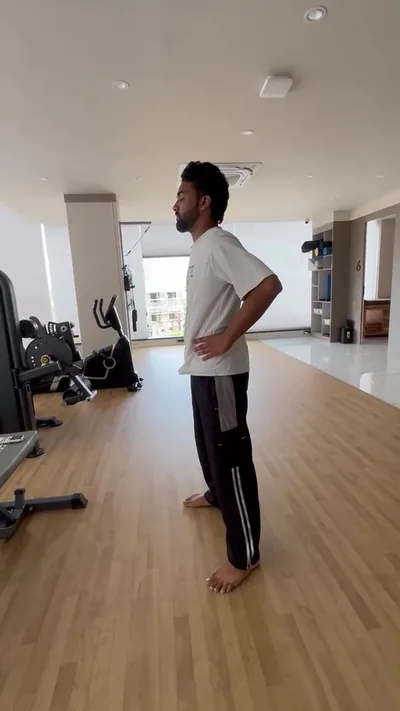
Is Side Bending Safe with L4 L5 Herniated Disc
An L4 L5 herniated disc happens when the disc between your fourth and fifth lumbar vertebrae bulges or ruptures. This presses on nearby nerves, causing pain…
Read article

Young cricket fast bowlers face high risk of knee strain from repeated impacts. Fast bowling loads knees during run-up and delivery. Proper warm-up protects knees and supports safe technique.
This guide shares a tailored warm-up routine for knee strain prevention in fast bowling. It activates muscles, builds strength and adjusts action for bowler knee protection. Follow before every session to lower injury risk. We cover knee pain signs, prevention strategies and knee-safe bowling methods.
At Trivayu Physio Center in Vaishali Nagar, Jaipur, we help young bowlers with sports injury knee rehab. Prevention starts with routine habits.
Fast bowling involves explosive run-ups, sudden stops and forceful knee drive. These stress the knee joint, especially the front knee that plants during delivery. Over time, this leads to knee pain. Looking for a Physiotherapist in Jaipur? Our team in Vaishali Nagar, Jaipur can assess you in person.
Young bowlers often bowl on hard pitches or in hot weather, adding strain. Poor footwear or weak muscles increase impact. Growing bodies adapt slower to high loads, raising risk of muscle strain or ligament stress.
Risk factors include sudden volume increases in practice. Imbalanced strength, like weak hamstrings against strong quads, pulls knees off alignment. Prevention matches training to body readiness and fixes weak links early.
Start every session with this warm-up. It raises heart rate, loosens joints and activates muscles. Do in order, 5-10 minutes total. It increases blood flow to knees, making tissues pliable for impact. More on Knee Pain Treatment and how we assess it.
End with arm circles and shadow bowling motions. Check knee alignment. Knees feel warmer and looser after 5 minutes.
Build knee stability with these exercises, 2-3 times weekly. Focus on quads, hamstrings and core. Do after warm-up or on off days. A physiotherapist checks form first.
These suit home or field. Track improvement by balance hold time.
Adjust bowling action for knee safety. Small changes reduce overload. A physiotherapist videos action to spot flaws.
Maintain upright posture in run-up. Lean forward at delivery to share load. Avoid knee valgus—keep knees over feet. Practice shadow bowling with mirror.
Shorten stride if knee hyperextends. Use braced front leg with slight bend. Focus on hip drive. Plant front foot beside crease line to cut braking force. You may also find Cricket Fast Bowling Knee Strain Warm-Ups useful.
Build run-up speed gradually. Stop if knee feels unstable. Manual Therapy corrects misalignments. Myofascial Release eases tight tissues.
Knee pain often starts as dull ache after nets, then sharp twinges on plant. Common from patellar tendon overload or meniscus irritation. Do not ignore.
Check daily: swelling after 20 overs? Instability turning? Pain on stairs? Ice 10-15 minutes post-session if sore, elevate and rest 48 hours.
Wear supportive spikes with cushioning. Replace when worn. Train on varied surfaces.
Watch for pain during or after bowling, swelling, instability or clicking. Rest first, but persistent issues need check.
At Trivayu Physio Center, Vaishali Nagar, Jaipur, our team handles cricket injury prevention and sports injury knee rehab. Dr. Jyoti Choudhary, with 17+ years and Rajasthan Women’s Cricket Team experience, guides young bowlers. Dr. Hritika Choudhary offers Electrotherapy. Expect gait analysis, strength tests and tailored plan. Also at Vidyadhar Nagar.
Book in-person assessment for exact exercise form and progressions.
The sequence above targets fast bowling needs. It boosts blood flow and activates stabilizers. Add shadow strides.
Use warm-up routine, strengthen with squats, lunges and bridges, tweak technique. Gradual build-up. Check footwear and pitch.
Squats, lunges, calf raises, planks, single-leg balances and hamstring bridges build stability. Physio adjusts reps.
If pain lasts after rest, swells or affects bowling. Early visit prevents lay-offs.
Yes, it lowers risk. Combine with local physio. Hot weather demands extra hydration.
Prevention keeps you bowling strong. Start this routine today.
Book an assessment at Trivayu Physio Center. WhatsApp +91 90570 65065 or call.
Physiotherapy is not the right first step for everything. Seek medical assessment promptly if any of the following apply to you:
If you lose control of your bladder or bowels, develop numbness around the groin, or have chest pain or breathlessness, treat it as an emergency and go to hospital.
Truly thankful to Dr. Jyoti Choudhary and the entire team of Trivayu Physio Centre for their genuine care, humble behaviour, and excellent treatment.
Mahesh Dhaka, Google review
This is one patient's own account, published with consent on our reviews page. It describes their experience, not a predicted outcome. Individual results vary.
An L4 L5 herniated disc happens when the disc between your fourth and fifth lumbar vertebrae bulges or ruptures. This presses on nearby nerves, causing pain…
Read articleShopkeepers in Jaipur often stand for long hours behind counters. This prolonged standing can trigger sciatica pain. Sciatica happens when the sciatic nerve gets irritated, often…
Read articleHerniated disc night pain disrupts sleep for many. The disc bulge presses on nerves, causing sharp back pain or sciatica that flares up at night. Simple…
Read articleMessage us on WhatsApp with your main concern and preferred time, and we'll confirm your first visit the same day.