Backward Walking in ACL Rehab Phase 2
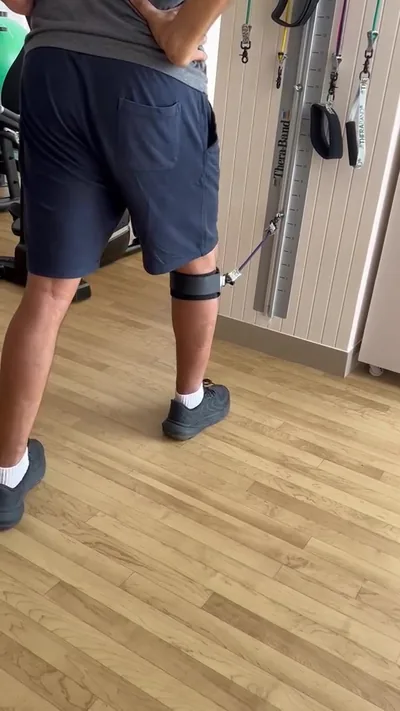
Backward walking helps athletes recover from ACL injuries. It builds knee stability in Phase 2 of rehab. This exercise targets quadriceps and improves control after surgery…
Read article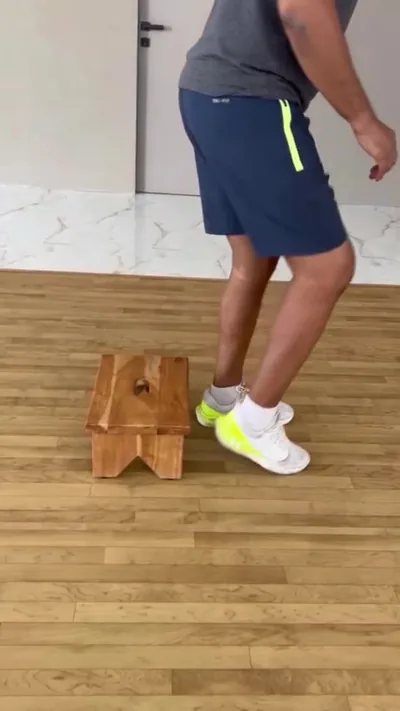
Knee ligament injuries sideline athletes for months. After initial healing and basic strengthening, phase 3 rehab builds stability to prevent re-injury. At Trivayu Physio Center in Vaishali Nagar, Jaipur, our team guides athletes through this.
Phase 3 targets proprioception and advanced knee exercises. These restore balance and control for sports return. Dr. Jyoti Choudhary, with 17+ years in sports physiotherapy, leads our efforts. She serves as physiotherapist to the Rajasthan Senior Women’s Cricket Team.
Recovery varies by injury type, like ACL tears. Seek an in-person assessment first. Self-guided efforts risk setbacks.
Phase 3 starts after initial healing, pain relief and basic strength work. It emphasises knee ligament strengthening to handle sport demands.
Athletes face high re-injury risk without this. Proprioceptive training restores joint awareness. This helps the knee react to sudden changes, like twists or falls.
Trivayu Physio Center in Vaishali Nagar offers tailored sports knee injury recovery. Book an in-person assessment. Dr. Jyoti Choudhary and Dr. Ishu Sharma use sports rehab skills. They explain each step for long-term knee rehab. Looking for a Physiotherapy Near Me? Our team in Vaishali Nagar, Jaipur can assess you in person.
Physiotherapists check knee readiness. They test strength, range of motion, and balance. Then design a plan matching your sport. For cricket, include directional changes. For runners, focus on impact absorption. Read more about our Orthopaedic Physiotherapy.
Proprioception is your body’s sense of position. It tells your brain where your knee sits without looking. After ligament injury, this sense weakens. Swelling and pain disrupt nerve signals.
Poor proprioception leads to instability. The knee buckles on uneven surfaces or fast turns. In phase 3, drills rebuild it for knee stability.
For ACL tears, it aids sports injury prevention. Stable knees absorb impacts better. Athletes regain confidence. Physiotherapists at Trivayu track progress with tests, like standing on one leg with eyes closed. You may also find Knee Ligament Tear Rehab for Footballers in Jaipur useful.
Start under supervision. Progress slowly. Here are four drills. Do 2-3 sets of each, 3-4 times a week. Rest days allow recovery.
Dr. Ishu Sharma oversees with exercise therapy. Proper form prevents overload. Track progress by timing holds or counting reps.
After ACL rehab, balance drills build on proprioception. These prepare for sport demands. A physiotherapist watches form.
Begin with static holds, like single-leg stance on foam. Progress to dynamic moves. Star excursions: reach in eight directions from one leg. Touch toes to marked spots.
Tandem stance with perturbations: stand heel-to-toe. Partner pushes shoulders. Trains reactions to contact. Do 10 pushes per side.
At Trivayu, these link lower body control to full-body stability. Sessions build weekly.
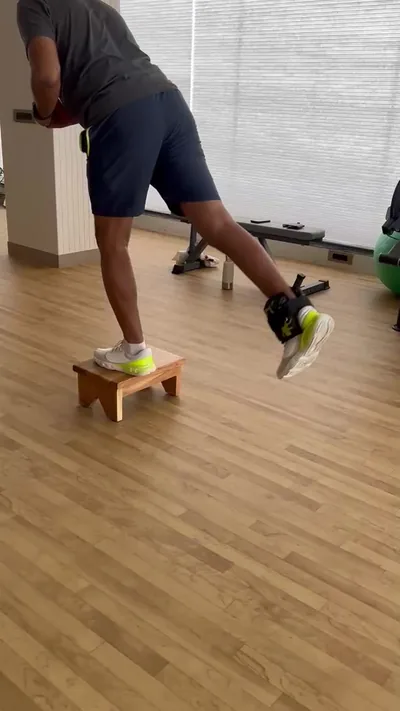
Advanced knee exercises target knee ligament strengthening. Once basics feel solid, add resistance and speed. Warm up with 5-10 minutes of walking or cycling.
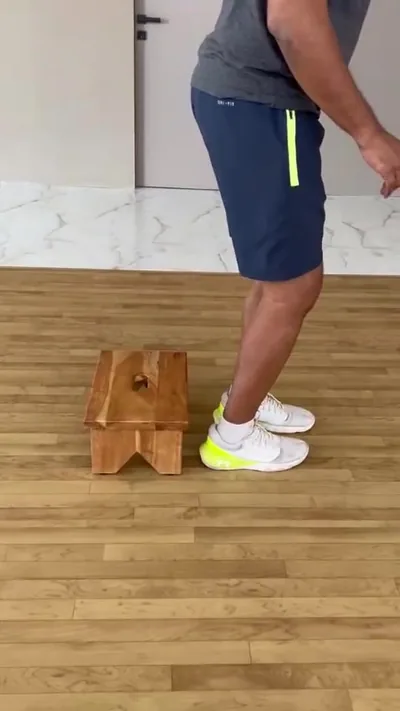
Pistol squats: lower into single-leg squat, other leg extended. Start assisted. Builds quad and hamstring power. Aim for 5-8 reps per leg.
Lateral lunges: step sideways into lunge. Knee over toes. Strengthens thigh muscles for side stability. 8-10 reps each side.
Step-ups with rotation: step onto 15-20 cm box, twist torso. Mimics cutting moves. 10 reps per leg.
Dr. Jyoti Choudhary integrates these. She adjusts for your sport.
Trivayu’s program covers post-rehab knee stability. It combines drills with therapies. Sessions last 45-60 minutes, 2-3 times weekly.
Manual therapy loosens tissues. Then proprioception work. Finish with strength circuits. Home exercises reinforce gains.
Dr. Hritika Choudhary handles post-op cases. She focuses on gradual loading.
Trivayu uses Class IV High Power Laser Therapy to ease tissue stress. TECAR Therapy boosts blood flow.
Clinical Pilates builds core strength for knee stability. Robotic Spinal Decompression aids back issues. Dry Needling targets tight muscles like hamstrings.
Team handles athlete knee recovery. Locations serve Vaishali Nagar and Vidyadhar Nagar.
Long-term prevention starts in phase 3. Maintain drills 2-3 times weekly. Pair with warm-ups: leg swings and high knees.
Strengthen kinetic chain. Calf raises support ankle stability. Glute bridges fire hip muscles.
Sport-specific: for football, shuttle runs with cuts. Track fatigue. Rest every 4-6 weeks.
Physiotherapists monitor with hop tests. Compare sides for symmetry.
Avoid self-treatment. Trivayu offers home visits and online consultation for plans. Ensures safe long-term knee rehab in Vaishali Nagar.
It follows early rehab. Focus on advanced balance after basics. Aims for functional return to sport. Includes proprioceptive training.
They retrain joint position sense. Improves balance. Knees react to uneven ground. Builds stability.
After doctor clearance and phase 2. An in-person check confirms readiness.
Single-leg stands and wobble boards. Clinics like Trivayu add Clinical Pilates. Include lateral lunges.
Varies by person, injury and sport. Phase 3 spans weeks to months. Consistent sessions aid progress.
Core stabilises pelvis. Weak cores let knees collapse. Clinical Pilates strengthens this.
Contact Trivayu Physio Center, 204, 2nd Floor, Om Tower, Gandhi Path Road, Nemi Nagar, Vaishali Nagar, Jaipur. Open Mon-Sat 8 am to 8 pm, Sun 10 am to 1 pm. Call +91 90570 65065 or WhatsApp via https://wa.me/919057065065. Book an assessment today.
Physiotherapy is not the right first step for everything. Seek medical assessment promptly if any of the following apply to you:
If you lose control of your bladder or bowels, develop numbness around the groin, or have chest pain or breathlessness, treat it as an emergency and go to hospital.
Truly thankful to Dr. Jyoti Choudhary and the entire team of Trivayu Physio Centre for their genuine care, humble behaviour, and excellent treatment.
Mahesh Dhaka, Google review
This is one patient's own account, published with consent on our reviews page. It describes their experience, not a predicted outcome. Individual results vary.
Backward walking helps athletes recover from ACL injuries. It builds knee stability in Phase 2 of rehab. This exercise targets quadriceps and improves control after surgery…
Read articleAfter ACL surgery, rebuilding knee strength takes time and care. ACL rehabilitation phases guide this process step by step. Phase 1 protects the graft and cuts…
Read articleAfter hip replacement surgery, dressing your lower body safely helps build independence. By week 6 of hip replacement recovery, many patients aim to dress without help.…
Read articleMessage us on WhatsApp with your main concern and preferred time, and we'll confirm your first visit the same day.