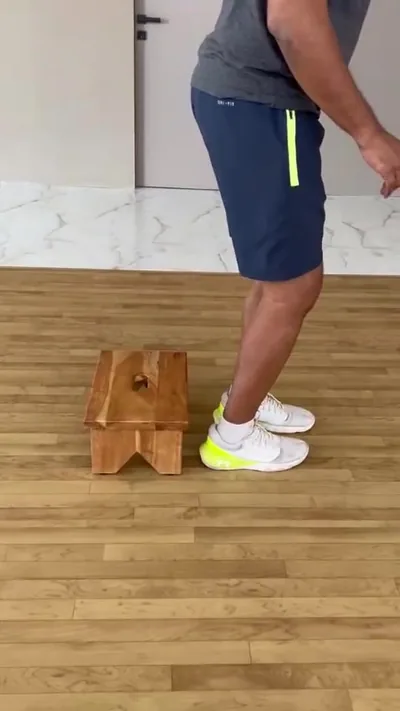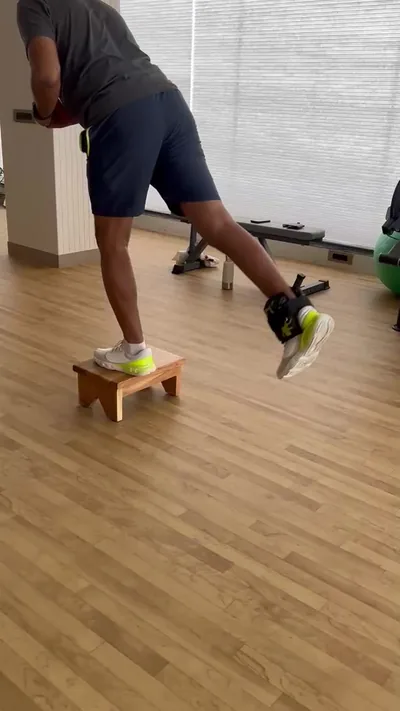
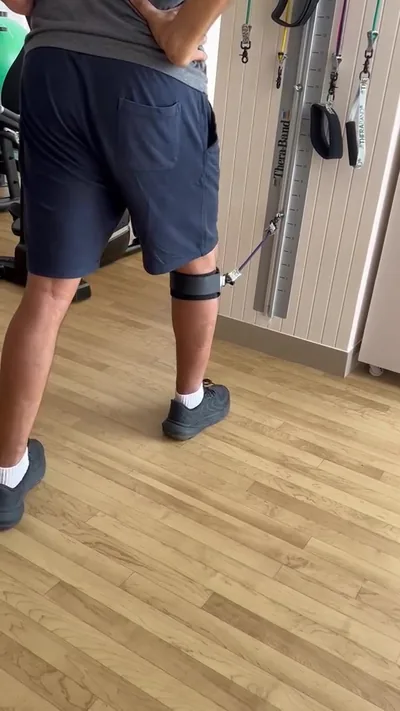
Backward Walking in ACL Rehab Phase 2
Backward walking helps athletes recover from ACL injuries. It builds knee stability in Phase 2 of rehab. This exercise targets quadriceps and improves control after surgery…
Read article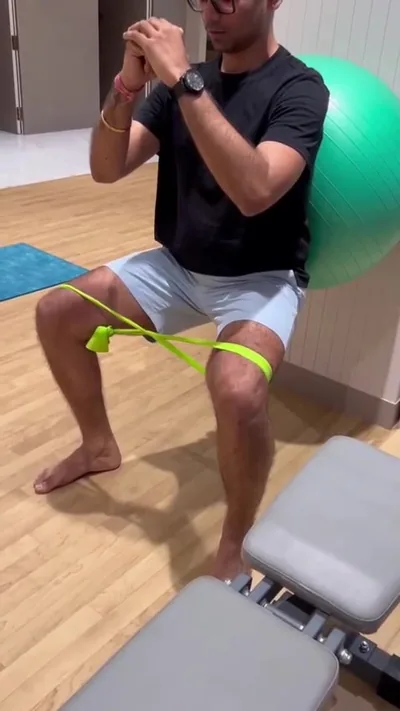

Knee clicking two months after ACL surgery worries many in Jaipur. Most times, it stems from normal healing. But some cases need a physio check. Early assessment spots issues.
ACL surgery rebuilds a torn anterior cruciate ligament. Noises like clicking happen as the knee adapts. Track patterns for your physio. Note when it happens, like during knee bend from 0 to 90 degrees, or when weight shifts side to side.
After ACL reconstruction, clicking is common in early months. It comes from joint fluid moving in the knee, tissues settling into place, or the graft integrating with bone. Patellar clicking ties to the kneecap gliding over the femur. Track if it ties to specific knee angles or loads.
For Jaipur athletes or daily walkers, most are harmless if painless. Track if pain or swelling joins it. Note triggering motions like squatting past 90 degrees, going up stairs, or twisting on the knee.
Keep a log: date, activity before click (like standing from chair), pain level from 0-10, any giving way. This aids physio planning. Share your log at first visit to Trivyal Physio Center in Vaishali Nagar.
Scar tissue can catch during motion if it builds thick around the graft site. Swelling causes fluid shifts that make tissues rub. Patella may track oddly if quads weaken after surgery, pulling the kneecap off line. Muscle weakness alters knee mechanics, letting bones rub. Tight IT band from altered gait adds friction on the outside knee. Looking for a Physiotherapist in Jaipur? Our team in Vaishali Nagar, Jaipur can assess you in person.
Painless clicking shows tissues adapting after graft harvest from hamstring or patellar tendon. Crepitus, a gritty feel during squats, ties to patella settling as quads regain strength. Soft pops from graft site happen when scar stretches in extension.
Expect it in straight-leg raises if vastus medialis oblique (VMO, inner quad) lags. It often shows on stairs if foot turns out during step-down. It lessens with steady strengthening and full knee bend to 120 degrees or more.
No locking, catching, or instability means it’s likely fine. If the knee fully extends straight and bends without block, healing progresses as expected. Jaipur players in kabaddi or cricket see this fade with consistent home exercises.
Pain that starts mild but grows with activity means inflammation builds. Swelling after light walk signals fluid buildup. Locking, where knee sticks in bend or straightens, suggests loose bits or meniscus catch. More on Knee Pain Treatment and how we assess it.
See your surgeon or physio same week for these. Early check prevents graft stretch or meniscus tear.
A physio at Trivyal Physio Center starts with hands-on assessment. They test patellar glide by hand, check quad strength with resisted extension, and watch your squat form for tracking faults. Orthopaedic Rehabilitation builds from there with graded exercises.
Manual therapy frees tight scar around the joint line. Electrotherapy uses gentle waves to settle swelling and soften tissues. They tape the patella during sessions to retrain tracking.
Progress from isometrics to active work: Quad sets (squeeze thigh muscle 10 seconds hold, 10-15 repeats, 3x day). Add straight leg raises with foot turned out to wake VMO. Advance to mini-squats to 30 degrees, holding wall for balance.
First visit: physio measures knee bend (flexion) and straighten (extension) with a goniometer. They test for effusion by pressing behind kneecap. Strength tests include heel digs into bed for hamstring power and side leg lifts for hip control.
Tailored plan follows: 2-3 sessions a week at first. Each lasts 45 minutes. Hands-on work loosens tight spots. You get home exercises: VMO drills like step-downs from 10cm step, 10 slow reps per leg. Balance on one leg with eyes shut builds proprioception lost after injury. You may also find ACL Surgery Knee Clicking Normal in Jaipur? useful.
By week 8-12 post-op, expect sport-specific work if ready – like cutting drills for football. Track progress weekly; clicks fade as strength evens out.
Ice 15 minutes after if any puffiness. Use a simple knee sleeve for support during walks, not too tight.
Strengthen VMO with terminal knee extensions: Sit, place rolled towel under knee, straighten last 30 degrees against light band, 3 sets of 12. Stretch hamstrings gently: Sit with leg straight, lean forward from hips till mild pull, hold 30 seconds, 3 times each side.
Avoid deep lunges or quick pivots till physio clears. Foam roll IT band daily: Lie on roller, roll from hip to knee, 1-2 minutes slow passes. Track knee bend angle daily with phone app if needed – aim steady gain to 120 degrees.
In Jaipur’s busy streets and sports fields, ACL patients need local physio to return safe. Trivyal Physio Center in Vaishali Nagar offers targeted rehab for post-op knees. They blend hands-on care with home plans suited to your job or sport.
Start with assessment to rule out issues. Steady work reduces clicks by fixing muscle gaps from surgery downtime. Most see improvement with regular visits and home effort. Build to full activity step by step.
Yes, if painless and with no swelling. It ties to graft settling. Monitor for changes and note them.
If pain starts, swelling grows, or motion limits. Book soon to tweak your rehab and avoid setbacks.
Scar tissue, swelling shifts, muscle imbalance, or patellar tracking faults from quad weakness.
Varies by person and rehab effort. It often lessens as strength returns and motion improves.
Pause that move and call your physio. They adjust to protect the graft while building support muscles.
See red flags early. Build strength steady. Book in-person assessment at Trivyal Physio Center, Vaishali Nagar, Jaipur, for your ACL recovery. WhatsApp or call +91 9057065065 today.
Physiotherapy is not the right first step for everything. Seek medical assessment promptly if any of the following apply to you:
If you lose control of your bladder or bowels, develop numbness around the groin, or have chest pain or breathlessness, treat it as an emergency and go to hospital.
Truly thankful to Dr. Jyoti Choudhary and the entire team of Trivayu Physio Centre for their genuine care, humble behaviour, and excellent treatment.
Mahesh Dhaka, Google review
This is one patient's own account, published with consent on our reviews page. It describes their experience, not a predicted outcome. Individual results vary.
Backward walking helps athletes recover from ACL injuries. It builds knee stability in Phase 2 of rehab. This exercise targets quadriceps and improves control after surgery…
Read articleAfter ACL surgery, rebuilding knee strength takes time and care. ACL rehabilitation phases guide this process step by step. Phase 1 protects the graft and cuts…
Read articleAfter hip replacement surgery, dressing your lower body safely helps build independence. By week 6 of hip replacement recovery, many patients aim to dress without help.…
Read articleMessage us on WhatsApp with your main concern and preferred time, and we'll confirm your first visit the same day.