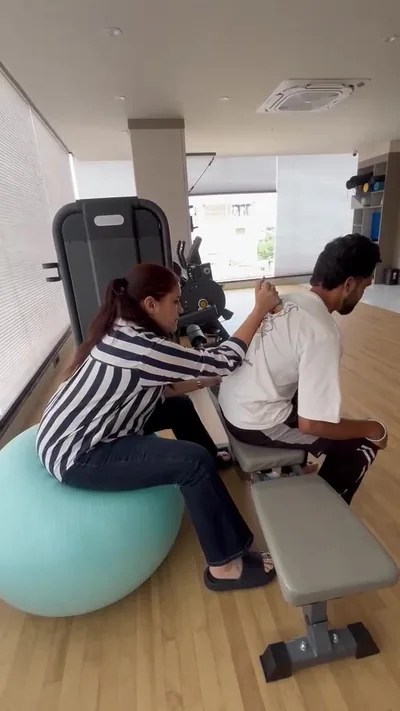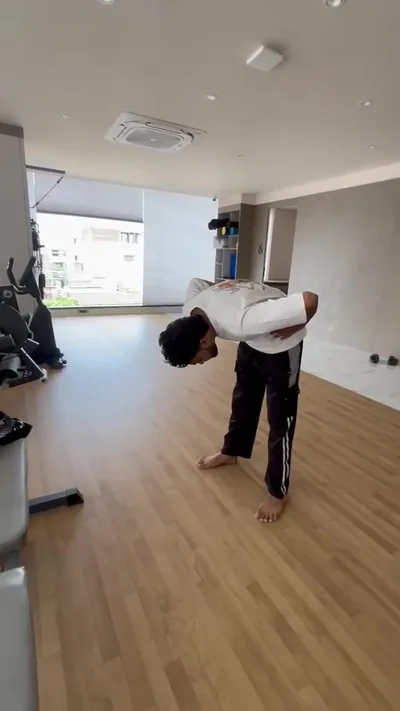
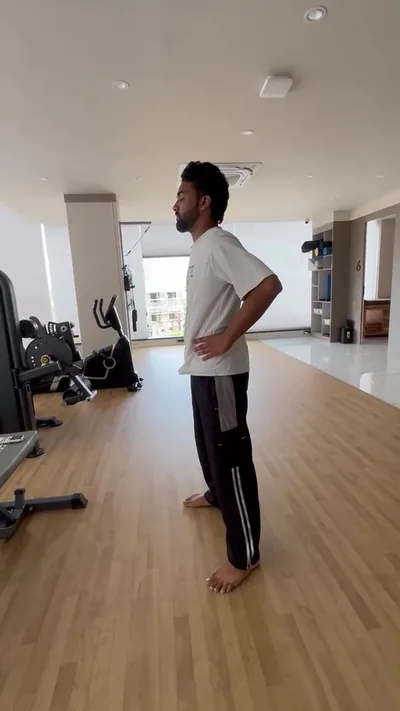
Is Side Bending Safe with L4 L5 Herniated Disc
An L4 L5 herniated disc happens when the disc between your fourth and fifth lumbar vertebrae bulges or ruptures. This presses on nearby nerves, causing pain…
Read article

Knee arthroscopy is a common knee surgery. It fixes issues like torn cartilage or ligaments using small cuts and a camera. After surgery, patients ask about driving. Driving depends on recovery. Most face a ban right after due to pain, swelling, and strong medicines. These affect focus and leg control.
Return to driving needs caution. Safe driving means your knee must handle sudden brake presses. Physiotherapists check strength and reaction. Recovery varies. Get an in-person check before driving.
Brake test after knee surgery simulates emergency stops. This article covers recovery driving steps, especially weeks 4-6. It explains the knee surgery recovery timeline in phases. It details physiotherapy for driving clearance.
Knee arthroscopy treats inner knee problems. Surgeons insert tools through tiny incisions. It helps with meniscus tears, loose bits, or mild arthritis. Patients go home same day often.
Right after surgery, driving is not allowed. Pain makes it hard to press pedals. Swelling limits knee bend. Painkillers slow reactions and cause drowsiness. These raise accident risk.
The knee surgery recovery timeline starts with phase one: days 1-7. Focus on rest, ice, compression, and elevation to cut swelling. Use knee brace or crutches. Walk short distances with support as pain eases. Avoid full weight on the leg until cleared.
Phase two: weeks 2-4. Begin gentle movement. Work on straightening the knee fully. Start basic exercises under physio guidance. Swelling drops. Gain confidence walking without crutches. Looking for a Physiotherapy Near Me? Our team in Vaishali Nagar, Jaipur can assess you in person.
Phase three: weeks 4-8. Build strength and bend. This matches timing for brake reaction test physiotherapy. Driving clearance comes here if tests pass. Full recovery takes months.
Driving restrictions lift when the leg works well for car use. Factors include surgery side, car type, and personal health. Right knee surgery delays accelerator use. Left knee affects clutch in manual cars. Automatic cars ease return. Consult your doctor and physio. They check legal rules and insurance needs.
The brake test checks if your knee can brake safely. You sit in a car or simulator. The physio lifts your foot then drops it suddenly. You must press the brake hard and fast.
For knee arthroscopy patients, this test is vital. Braking needs quick knee flexion and strong quad muscles. Post-op stiffness or weakness fails the test.
Physios consider brake test in weeks 4-6 often. Timing fits your progress. They assess knee range, power, pain, and reaction time. Passing means short trips okay. Failing shows need for more work.
In detail, sit as in your car, with knee at 90 degrees or more. Physio holds your foot off the pedal. They release it unexpectedly. You slam the brake. They measure time from release to full press, plus force. Repeat 5-10 times. Consistency matters. If reaction lags over 0.5 seconds or force is weak, delay driving.
Variations use computer simulators with lights or sounds. Or test in a real car on a quiet road. Physios note pain during press or limp after.
Physiotherapy speeds knee surgery recovery timeline. Manual Therapy eases joint stiffness. It improves knee bend for braking. Orthopaedic Rehabilitation builds leg power for pedals. Electrotherapy cuts pain and swelling. More on Knee Pain Treatment and how we assess it.
Physios approach return to driving step by step. Week 1: Gentle passive moves. Week 2: Active flexion to 90 degrees. Week 3: Add resistance. Week 4: Brake simulation on floor. They track with goniometer for bend angle and dynamometer for strength.
At Trivayu Physio Center, Dr. Hritika Choudhary leads with 5+ years in advanced electrotherapy and post-surgery care. Dr. Ishu Sharma aids sports rehab and exercises. They tailor plans. Expect 45-minute sessions twice weekly, mixing hands-on work and home exercises.
Brake reaction test physiotherapy includes targeted work. Practice foot drops on a mat first. Progress to pedal simulator. Book an in-person assessment. Physios check hip and ankle too.
Prep starts with basic rehab. Reduce swelling with ice and rest. Work on knee flexion. Aim for 90-120 degrees bend to reach pedals. Full extension prevents locking.
Strengthen quads and hamstrings. Straight leg raises help quads. Seated knee extensions build power. Wall sits hold for 10-20 seconds. Hamstring curls with band add balance.
Improve reaction. Use a ball drop test: Catch falling ball with foot. Progress to quick taps on floor target.
Clinical Pilates improves control and stability. Core work steadies posture in car.
Pain or poor range of motion delays readiness. Home tips include gentle walks and elevation. Track progress. Avoid forcing. Warm up with heat pack. Stop if sharp pain. You may also find Driving Timeline Post Knee Replacement Surgery useful.
In physio session: Arrival check-in, pain scale, ROM measure. Then 20 minutes exercises, 15 minutes manual work, end with brake practice. They adjust for your car needs.
Week 1: Rest, ice, basic walks. No driving.
Week 2: Crutches off, heel slides. Passenger okay if comfy.
Week 3: Strength starts, 90-degree bend. Test light pedal reach.
Week 4-6: Brake test time. Drive short if pass.
Week 8+: Longer drives, full work if desk job.
This timeline guides physiotherapy for driving clearance. Delays happen with infection, poor effort, or complex tears. Speed up with daily home work. Physios monitor swelling, gait, and confidence.
Safe driving after arthroscopy adds checks. Test in your car. Ensure seat fits knee bend. Practice empty roads first. Stop if swelling rises.
Visit Trivayu Physio Center for brake test after knee surgery advice. We are at Vaishali Nagar, 204, 2nd Floor, Om Tower, Gandhi Path Road, Nemi Nagar, Jaipur. Also in Vidyadhar Nagar, Rangoli Gardens.
Our team explains treatments. They guide long-term rehab. Home visits and online consultations available. Dr. Hritika excels in post-op work. Book now for safe driving clearance. Start with assessment.
No fixed time. Depends on pain, strength, and physio tests. Many aim for weeks 4-6 after right knee surgery. Left knee may allow sooner. Get doctor and physio okay. Test in your car type.
It mimics sudden stops. Physio checks if you brake fast and firm. Ensures knee flexion and power. Includes repeats for reliability.
Readiness varies. Week 4-6 is common check time. Factors like surgery type and rehab effort affect it. Physio assesses individually.
Quad sets, heel slides, leg raises. Progress to squats and balance work. Physio customises. Add reaction drills.
Physio aids recovery. Builds strength and mobility for braking. Results depend on your effort and health. Regular sessions help.
No. Pain signals poor control. Wait until pain-free with full strength. Test clearance prevents risks.
Automatic allows sooner than manual clutch. Right knee delays accelerator. Physio tests your setup.
In summary, knee arthroscopy driving return needs patience. Focus on rehab phases, brake test, and physio guidance. Trivayu Physio Center supports your safe return. Follow the knee surgery recovery timeline.
Book an assessment today. WhatsApp or call +91 90570 65065.
Physiotherapy is not the right first step for everything. Seek medical assessment promptly if any of the following apply to you:
If you lose control of your bladder or bowels, develop numbness around the groin, or have chest pain or breathlessness, treat it as an emergency and go to hospital.
Truly thankful to Dr. Jyoti Choudhary and the entire team of Trivayu Physio Centre for their genuine care, humble behaviour, and excellent treatment.
Mahesh Dhaka, Google review
This is one patient's own account, published with consent on our reviews page. It describes their experience, not a predicted outcome. Individual results vary.
An L4 L5 herniated disc happens when the disc between your fourth and fifth lumbar vertebrae bulges or ruptures. This presses on nearby nerves, causing pain…
Read articleShopkeepers in Jaipur often stand for long hours behind counters. This prolonged standing can trigger sciatica pain. Sciatica happens when the sciatic nerve gets irritated, often…
Read articleHerniated disc night pain disrupts sleep for many. The disc bulge presses on nerves, causing sharp back pain or sciatica that flares up at night. Simple…
Read articleMessage us on WhatsApp with your main concern and preferred time, and we'll confirm your first visit the same day.