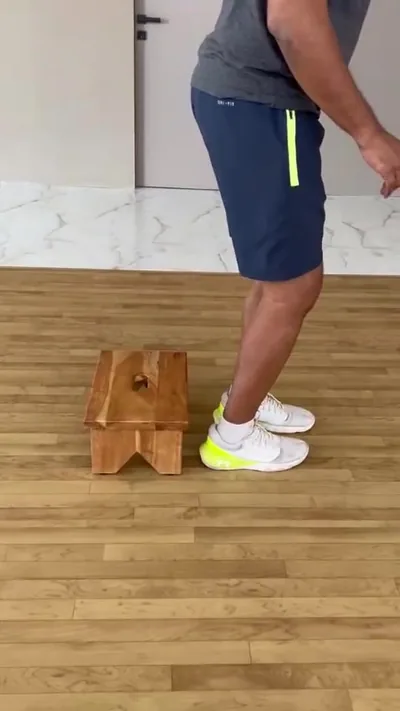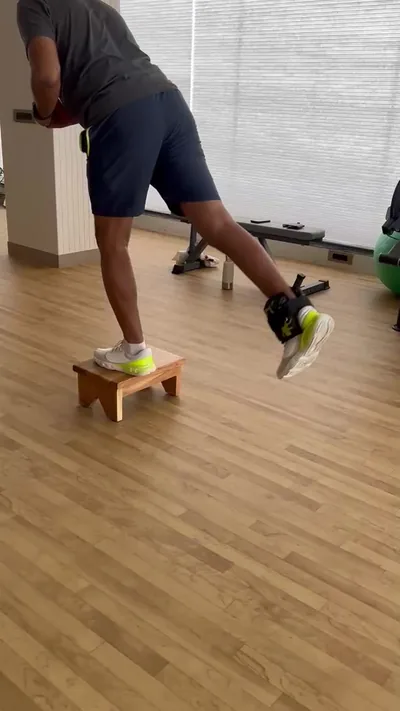
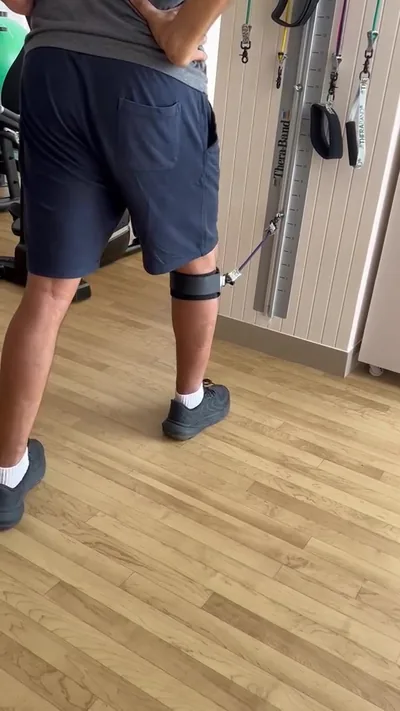
Backward Walking in ACL Rehab Phase 2
Backward walking helps athletes recover from ACL injuries. It builds knee stability in Phase 2 of rehab. This exercise targets quadriceps and improves control after surgery…
Read article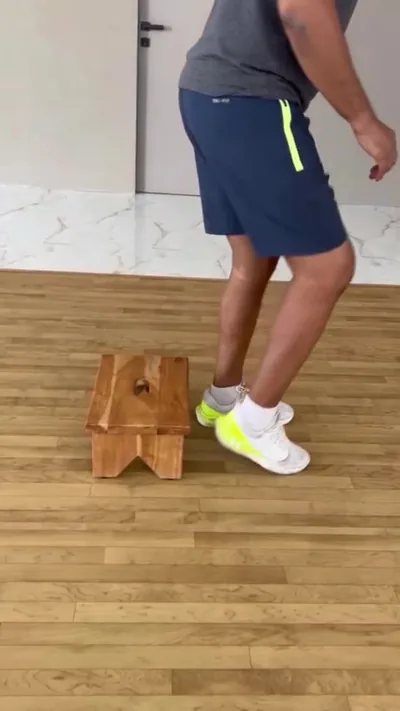

A bucket handle meniscus tear can cause your knee to lock. This happens when a torn piece flips and blocks movement. You may feel a catch, sharp pain or inability to straighten the knee. These positions offer temporary relief but do not fix the tear.
Such locking needs careful handling. Forcing the knee risks more damage. Always see a physiotherapist for proper assessment. Trivayu Physio Center in Vaishali Nagar, Jaipur helps with knee issues like this.
This guide covers safe knee angles to unlock meniscus bucket handle lock. It includes steps, warnings and signs to seek help. Relief varies by person. Expect a physio to check your knee’s range, stability and swelling before any hands-on work.
The meniscus is C-shaped cartilage in your knee. It cushions the thigh bone and shin bone. A bucket handle meniscus tear means a long strip tears off and flips like a bucket handle.
This flipped piece blocks the knee joint. Your knee suddenly locks. Common signs include a pop at injury time, then catching or locking later. You cannot fully straighten or bend the knee. Pain and swelling often follow. Acute knee locking feels like the joint freezes mid-step.
These symptoms suggest meniscus locking knee pain. But only a doctor or scan confirms the tear. Do not self-diagnose. Book an in-person check. A physio starts with questions about how it happened, when it locks and what eases it. Looking for a Physiotherapist in Jaipur? Our team in Vaishali Nagar, Jaipur can assess you in person.
The meniscus sits between knee bones. It absorbs shock during twists or squats. A bucket handle tear often starts from sudden twists in sports or falls. Common in active people or after wear over time.
The torn inner flap displaces into the joint space. It jams the femur and tibia, stopping smooth glide. This causes acute knee locking. You feel stuck mid-motion with meniscus locking knee pain. The flap acts like a doorstop, preventing the bones from sliding past each other.
Seek urgent physio if locking repeats, swells or limits walking. Early help prevents worsening. Physios test by gently moving the knee to find the block point without force.
Gentle positions can help unlock knee meniscus lock at home. Use knee locking positions with care. Never force. Stop if pain increases. These aim to nudge the flap back without strain. Gravity and relaxation help the piece shift. More on Sciatica Treatment and how we assess it.
Manual Therapy at a clinic can assist if home tries fail. It uses skilled hands to mobilise safely. A physio might add gentle pressure to guide the flap while you relax.
Follow these for meniscus tear unlock. Do one at a time in a safe spot. Wear loose clothes. Have support nearby. Aim for calm breathing to relax muscles around the knee.
If no relief in 10 minutes, stop. Persistent lock needs pro help. These relieve meniscus lock short-term only. Repeat only if safe, up to twice a day.
For meniscus injury relief positions, expect a gradual shift. The knee may click or pop softly as it unlocks. Pain should ease within minutes if successful. If it worsens or swells more, stop all moves.
Avoid these during acute knee locking: twisting the knee, deep knee bends, standing on one leg or jumping. Do not push through the block. Heat can increase swelling, so skip it at first. You may also find Meniscus Bucket Handle Unlock Positions at Home useful.
A physio watches your knee in real time, uses hands to stabilise and tests after unlock. They check if other structures like ligaments contribute.
See a physio for recurrent locking, swelling, instability or pain. Also if knee gives way or grinds. Do not wait if you cannot bear weight. Sudden locks during sports need quick check.
Trivayu Physio Center team handles this. Dr. Jyoti Choudhary leads with 17+ years in orthopaedics. Dr. Hritika Choudhary uses advanced Electrotherapy for pain. Others cover post-op and rehab. Expect a full exam: standing, walking, bending tests and touch checks.
We offer home visits and online consultation. Locations in Vaishali Nagar and Vidyadhar Nagar. Call +91 90570 65065 or WhatsApp for assessment. Home visits suit if you cannot travel with a locked knee.
After relief, build knee strength. Focus on balanced muscles around hip and core. Good posture reduces strain. Start with isometrics: tighten quads without moving knee, hold 5 seconds, repeat 10 times.
Orthopaedic Rehabilitation guides safe return to sport. A physio tailors this based on your tear size and activity level.
A large longitudinal tear where the inner meniscus flips like a bucket handle, blocking knee motion.
Try heel prop or prone hang gently. Relax and breathe. Stop if painful. See physio if stuck.
If it repeats, swells or hurts to walk. Get checked soon for safe plan.
Not if gentle. Forcing can worsen tear. Use caution and seek advice.
Often a displaced meniscus flap from tear, jamming the joint suddenly.
It disrupts function and risks more damage if untreated. Assessment guides next steps.
They use gentle guided moves, check stability first and monitor pain. No force, just skilled positioning.
Stop play. Ice and rest. See physio fast to avoid repeat tears.
Bucket handle meniscus needs expert care for lasting relief. Home positions help short-term only.
Book an assessment at Trivayu Physio Center today. WhatsApp +91 90570 65065 or call for Jaipur knee physio meniscus help.
Physiotherapy is not the right first step for everything. Seek medical assessment promptly if any of the following apply to you:
If you lose control of your bladder or bowels, develop numbness around the groin, or have chest pain or breathlessness, treat it as an emergency and go to hospital.
Truly thankful to Dr. Jyoti Choudhary and the entire team of Trivayu Physio Centre for their genuine care, humble behaviour, and excellent treatment.
Mahesh Dhaka, Google review
This is one patient's own account, published with consent on our reviews page. It describes their experience, not a predicted outcome. Individual results vary.
Backward walking helps athletes recover from ACL injuries. It builds knee stability in Phase 2 of rehab. This exercise targets quadriceps and improves control after surgery…
Read articleAfter ACL surgery, rebuilding knee strength takes time and care. ACL rehabilitation phases guide this process step by step. Phase 1 protects the graft and cuts…
Read articleAfter hip replacement surgery, dressing your lower body safely helps build independence. By week 6 of hip replacement recovery, many patients aim to dress without help.…
Read articleMessage us on WhatsApp with your main concern and preferred time, and we'll confirm your first visit the same day.