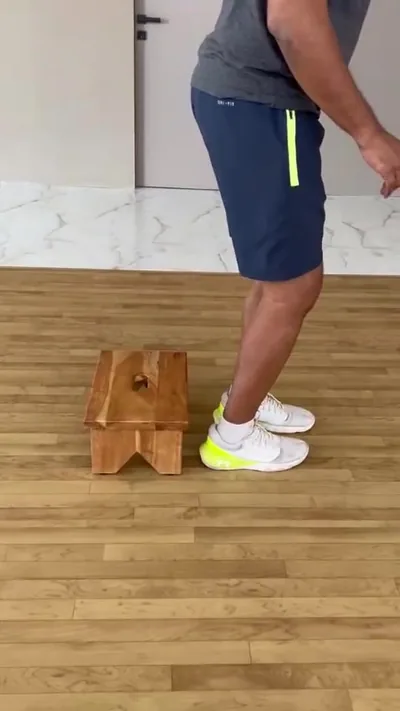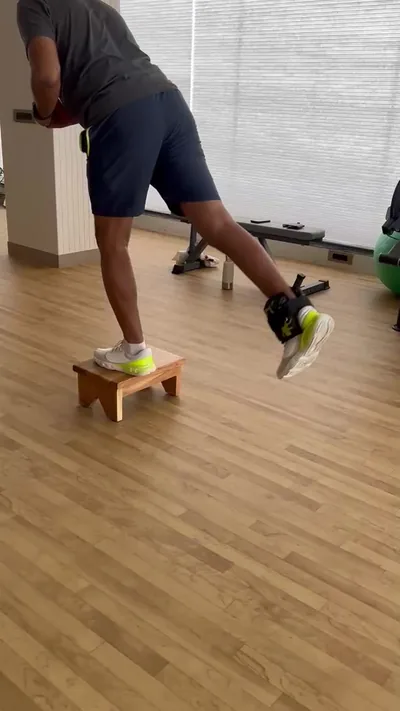
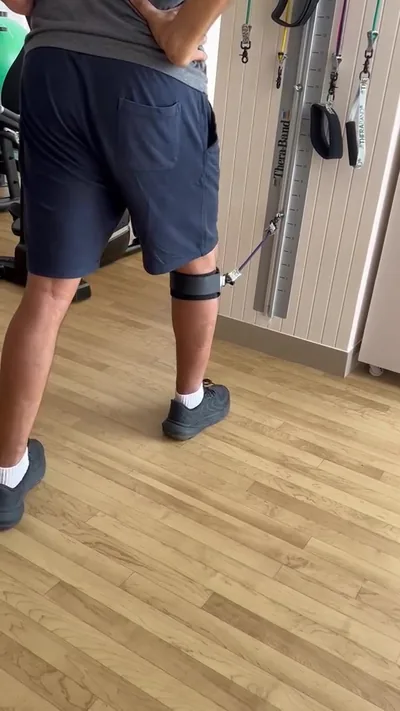
Backward Walking in ACL Rehab Phase 2
Backward walking helps athletes recover from ACL injuries. It builds knee stability in Phase 2 of rehab. This exercise targets quadriceps and improves control after surgery…
Read article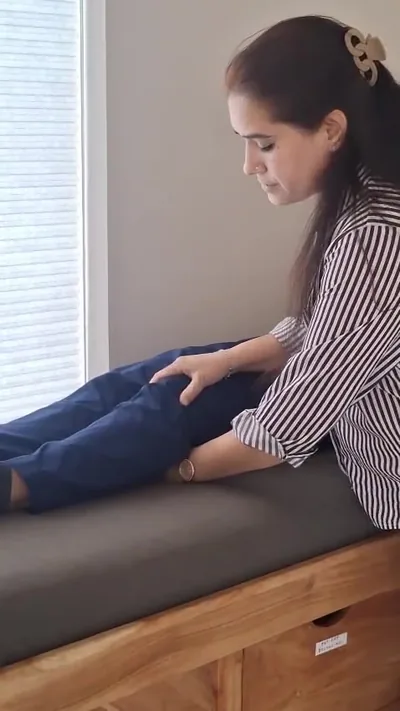

Your knee may make clicking or popping sounds after ACL surgery. Many patients notice this during rehab. These noises often come from healing tissues or new movement patterns. Most are harmless but some need attention.
Trained physiotherapists at Trivayi Physio Center explain these sounds and guide recovery. They use hands-on assessment to check your knee.
Knee clicking after ACL surgery happens often in early rehab. Healing ligaments, scar tissue, and joint fluid shifts cause these sounds. As the graft settles, tissues rub or shift during motion.
Normal knee noises in rehab include clicks from patella tracking or tendon movement. These occur during squatting or stepping. Recovery varies by person, activity level, and surgery details.
Physiotherapists note these as common in post-surgery phase. They check for issues during sessions at Trivayi Physio Center, Vaishali Nagar.
Yes, knee clicking is normal for many after ACL reconstruction. It links to scar tissue forming around the graft or fluid in the joint. During exercises like bending the knee, these produce clicks.
Such noises often appear in early rehab weeks. They decrease as tissues strengthen. Most cases show no problem on exam.
Trained staff at Trivayi Physio Center use post-surgery rehab knowledge to monitor these. They assess during visits for peace of mind.
After ACL reconstruction, patients report clicking from the knee joint. This can feel like a small snap inside the knee during straight-leg raises or heel slides. Popping sounds may arise from air bubbles in joint fluid or tendons gliding over bone. Looking for a Physiotherapy Clinic Near Me? Our team in Vaishali Nagar, Jaipur can assess you in person.
A physiotherapist approaches this by testing knee range first. They palpate the joint to feel for crepitus, which is a gritty sensation under the skin. If the click happens at full extension, it often ties to the graft adapting to tension.
During rehab, expect clicks when transitioning from sitting to standing. This stems from the patella moving in its groove as quadriceps fire. Physiotherapists teach you to pause if the sound pairs with discomfort, then adjust foot position for better tracking.
Watch for red flags with knee clicking. Pain with the click, swelling, or knee giving way signal issues. Locking or instability also warrant prompt check. More on Knee Pain Treatment and how we assess it.
If clicking worsens or pairs with warmth and redness, see a physiotherapist soon. These differ from normal rehab noises. A sharp click with sudden pain might point to loose fragments or graft concerns, needing in-person exam.
At Trivayi Physio Center, Vaishali Nagar or Vidyadhar Nagar, book an assessment. Advanced electrotherapy and targeted exercises help address concerns.
Continue gentle exercises if no pain accompanies clicks. Focus on proper form during squats or leg presses. Ice after sessions reduces any swelling.
Physiotherapy plays a key role. Manual Therapy eases tight tissues. Orthopaedic Rehabilitation builds strength gradually.
During rehab, expect these steps. A physiotherapist tailors them based on your exam:
Maintain proper alignment: Keep knee tracking over second toe during squats. Use a mirror to check form. Place a small ball between knees during clamshells to activate inner thighs. If clicking accompanies grinding sensation, pause exercise, apply ice, and consult therapist next session.
Physiotherapists also address clicking from the front of the knee. They demonstrate patella mobilisations: gentle glides side-to-side while you relax the leg. Do this daily if taught, 10 reps each direction. For posterior clicks, prone knee bends help loosen hamstrings without strain.
In ACL tear surgery recovery, knee noises peak around weeks 4-8 as you ramp up loading. A click during stair climbing often signals quadriceps lag – the muscle isn’t firing fully, letting patella wander. You may also find ACL Surgery Knee Clicking Normal in Jaipur? useful.
To counter this, physiotherapists prescribe straight-leg raises with a band around ankles for resistance. Lift leg 30 cm off bed, hold 5 seconds. No knee bend. This builds VMO without joint stress. If noise happens on descent, slow the eccentric phase.
Track your knee daily: Note when clicks occur, with what movement, and any swelling. Bring this log to sessions at Trivayi Physio Center. Therapists use it to adjust your plan, perhaps adding balance board work for proprioception.
Trivayi Physio Center serves Vaishali Nagar and Vidyadhar Nagar. The team includes Dr. Jyoti Choudhary with sports and orthopaedic expertise. Dr. Hritikha Choudhary handles post-op rehab.
They offer hands-on care for knee recovery. Sessions run Monday to Saturday, 8 am to 8 pm. Sunday till 1 pm.
Patients value clear explanations and friendly staff. Home visits and online options available.
Yes, often from healing graft or joint fluid shifts. It decreases with consistent rehab if no pain.
Clicks arise from patella tracking, tendon snaps, or scar tissue. Physiotherapists assess to confirm it’s benign.
Only if pain, swelling, or instability join it. Otherwise, note the timing and discuss at next physio visit.
Many fade after 3-6 months as strength returns. Persistent noise with symptoms needs check.
Yes, through targeted strengthening and mobilisations. Book an assessment for personalised guidance.
“`
*(Word count: 1,056)*
Physiotherapy is not the right first step for everything. Seek medical assessment promptly if any of the following apply to you:
If you lose control of your bladder or bowels, develop numbness around the groin, or have chest pain or breathlessness, treat it as an emergency and go to hospital.
Truly thankful to Dr. Jyoti Choudhary and the entire team of Trivayu Physio Centre for their genuine care, humble behaviour, and excellent treatment.
Mahesh Dhaka, Google review
This is one patient's own account, published with consent on our reviews page. It describes their experience, not a predicted outcome. Individual results vary.
Backward walking helps athletes recover from ACL injuries. It builds knee stability in Phase 2 of rehab. This exercise targets quadriceps and improves control after surgery…
Read articleAfter ACL surgery, rebuilding knee strength takes time and care. ACL rehabilitation phases guide this process step by step. Phase 1 protects the graft and cuts…
Read articleAfter hip replacement surgery, dressing your lower body safely helps build independence. By week 6 of hip replacement recovery, many patients aim to dress without help.…
Read articleMessage us on WhatsApp with your main concern and preferred time, and we'll confirm your first visit the same day.