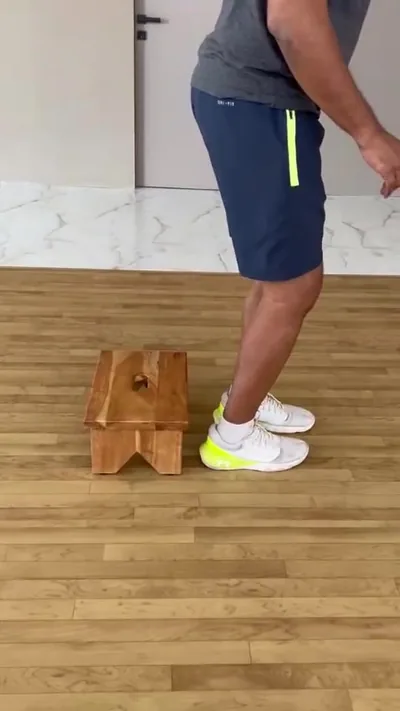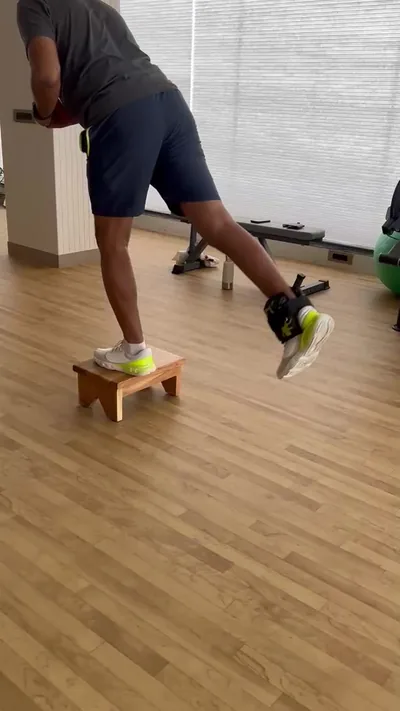
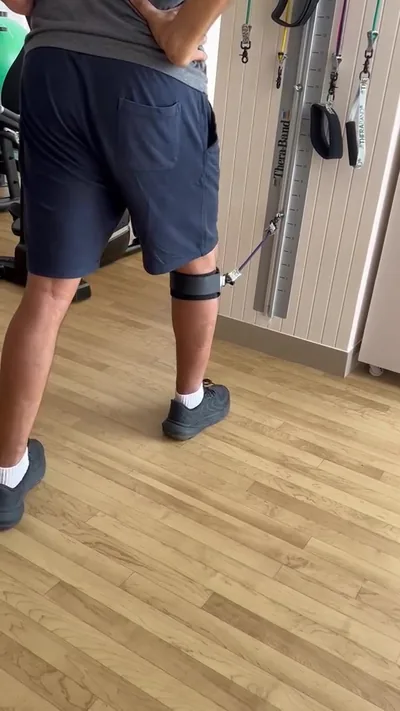
Backward Walking in ACL Rehab Phase 2
Backward walking helps athletes recover from ACL injuries. It builds knee stability in Phase 2 of rehab. This exercise targets quadriceps and improves control after surgery…
Read article

The short answer
Side sleepers with lower back pain can adopt a relaxed fetal position with knees softly bent and a pillow between knees to keep the top leg level with hips and prevent pelvic tilt. Place a thin pillow or rolled towel under the waist to support the natural curve and avoid sagging. Gentle pre-sleep stretches like knee-to-chest and figure-four loosen tight muscles.
Lower back pain at night is common for side sleepers in Jaipur who sit long hours at desks or carry age-related stiffness. Poor sleep posture can increase discomfort and leave you waking up sore. Simple changes to how you lie in bed often bring relief.
This article shares safe ways to sleep with lower back pain using everyday items at home. You will find exact pillow positions, a neutral spine position, and gentle movements you can do before bed. These steps help side sleeper lower back support and may reduce morning back stiffness.
Side sleeping is popular but can pull the spine out of line if the body is not supported well. When the top leg drops forward it creates pelvic tilt. This twists the lower back and adds pressure on discs and muscles during the night.
Office workers who sit all day often have tight hip muscles. Older adults may have softer mattresses that let the waist sink. Both situations increase morning pain and stiffness. A proper side sleeping with lower back pain position keeps the spine neutral and eases pressure. Looking for a Physiotherapy Clinic Near Me? Our team in Vaishali Nagar, Jaipur can assess you in person.
The best sleeping position for lower back pain as a side sleeper is a relaxed fetal position. Lie on your side with knees softly bent. Keep a small gap between your knees and avoid curling too tightly. This helps align spine while sleeping and helps reduce excessive rounding of the lower back.
Your head should rest in line with your spine. The top arm can rest on a pillow in front of you. This posture reduces twisting and supports natural curves of the back. Practise getting into this position every night until it feels natural.
Correct pillow placement is one of the easiest ways to gain lower back pain relief at night. Place a pillow for lower back pain relief between your knees. This keeps the top leg level with the hips and stops pelvic tilt. A knee pillow for back pain works well even if it is an ordinary cushion. Read more about our Spine, Back & Neck Care.
Slide a thin pillow or rolled towel under your waist if there is a gap between your side and the mattress. This supports the natural curve and helps reduce the spine from sagging. You can also place a pillow behind your back to stop rolling onto your stomach. These small changes help side sleeper lower back support and may reduce pain by morning.
Simple movements before bed can loosen tight muscles and prepare the back for sleep. Do these gently on your bed with normal breathing.
These pre sleep stretches for back pain take only a few minutes. Stop if any movement increases sharp pain.
You do not need special equipment. Use items already at home for immediate help.
Choose a medium-firm surface if possible. These home remedies for back pain sleep can improve comfort right away. If pain continues after two weeks, it is time to seek professional advice.
Home changes help many people but are not a complete solution for everyone. If lower back pain keeps returning or disturbs sleep often, an in-person assessment is important. A physiotherapist can check posture, muscle balance and spinal alignment. You may also find Dry Needling for Lower Back Pain in Jaipur useful.
At Trivayu Physio Center in Vaishali Nagar, Jaipur, our team offers manual therapy, posture correction, clinical Pilates and exercise therapy. Services also include spine care, myofascial release and advanced electrotherapy. We also provide home visits and online consultation for those who cannot travel easily. Dr.
A relaxed fetal position with knees slightly bent and a pillow between them helps keep the spine neutral and reduces twisting of the lower back.
Any regular pillow or cushion works. The goal is to keep the top leg level with the hips so the pelvis stays straight.
Yes. A rolled towel under the waist or a pillow behind the back provides support and helps maintain good alignment during the night.
Yes. Simple knee-to-chest, figure-four stretch, cat-cow and child’s pose done gently on the bed can loosen muscles and prepare the back for sleep.
Poor alignment during sleep increases pressure on muscles and discs. A supported side-sleeping position with proper pillows can reduce this stress and ease morning stiffness.
Small changes to your sleep setup can make a real difference. Try these tips tonight and notice how your back feels in the morning. For lasting relief from lower back pain, book an assessment at Trivayu Physio Center. Call us or send a message on WhatsApp to arrange a convenient time.
Physiotherapy is not the right first step for everything. Seek medical assessment promptly if any of the following apply to you:
If you lose control of your bladder or bowels, develop numbness around the groin, or have chest pain or breathlessness, treat it as an emergency and go to hospital.
Backward walking helps athletes recover from ACL injuries. It builds knee stability in Phase 2 of rehab. This exercise targets quadriceps and improves control after surgery…
Read articleAfter ACL surgery, rebuilding knee strength takes time and care. ACL rehabilitation phases guide this process step by step. Phase 1 protects the graft and cuts…
Read articleAfter hip replacement surgery, dressing your lower body safely helps build independence. By week 6 of hip replacement recovery, many patients aim to dress without help.…
Read articleMessage us on WhatsApp with your main concern and preferred time, and we'll confirm your first visit the same day.