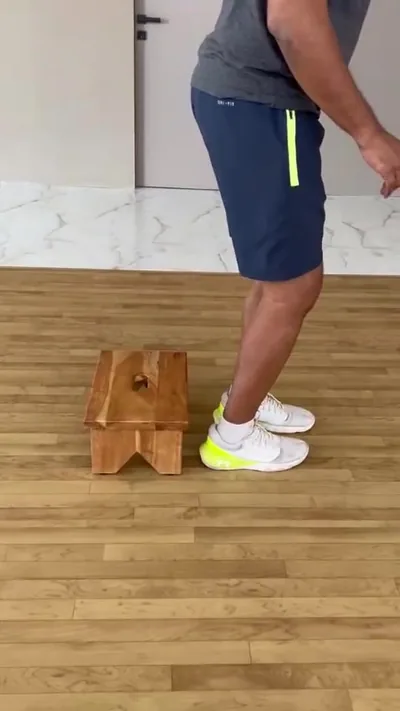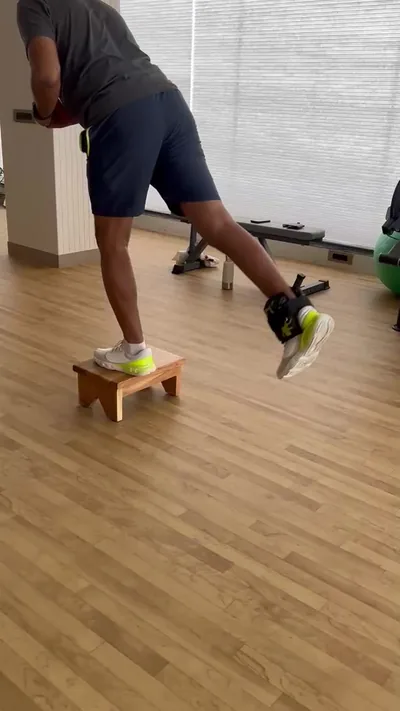
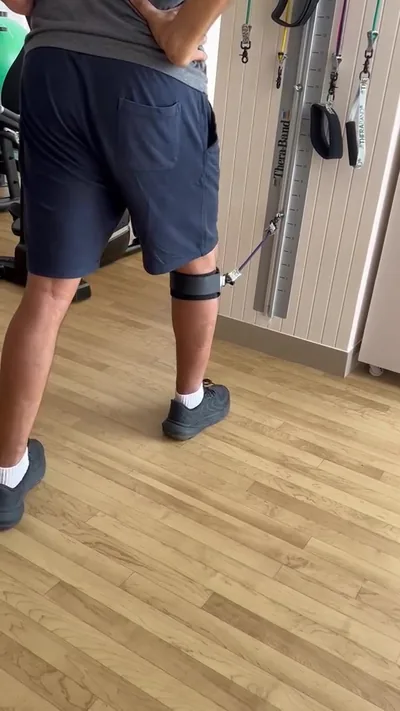
Backward Walking in ACL Rehab Phase 2
Backward walking helps athletes recover from ACL injuries. It builds knee stability in Phase 2 of rehab. This exercise targets quadriceps and improves control after surgery…
Read article

After hip replacement surgery, week 2 marks a key point in wound healing. The incision starts to close but remains sensitive. Patients in Jaipur often worry about normal changes versus problems. This guide covers what to watch for in your hip replacement wound week 2. Spotting issues early helps avoid setbacks.
Healing varies by person. Factors like age, health, and care affect progress. Always follow your surgeon’s advice first. If something feels off, seek an in-person check. At Trivayu Physio Center in Vaishali Nagar, our team supports post-surgery recovery with wound assessments.
Trivayu Physio Center offers post-surgery and joint replacement rehab. Our physiotherapists check wounds as part of care. Locations include Vaishali Nagar and Vidyadhar Nagar.
By week 2 after hip replacement, the wound enters the repair phase. The cut mends from the bottom up. Skin edges pull together.
Expect the wound to look drier than in week 1. A thin scab or crust may form. Light pink tissue shows under it. Some clear fluid can seep out. The scab protects new skin cells. Edges may look puckered as they contract.
Swelling around the hip eases. Bruising fades to yellow-green. In Jaipur’s warm climate, keep the area dry. Sweat can soften the scab, so use a fan or cool cloth. Monitor the wound daily. Note shifts in colour or size. Measure length and width with a ruler to track changes.
During physio assessment, we examine wound depth and edges. A healthy wound feels firm. Tenderness decreases. If you walk with crutches, watch how weight shifts affect the site.
A healthy wound at week 2 stays closed with smooth edges. It feels less tender each day. Mild warmth is okay, but not hot. Colour shifts from red to pink. Looking for a Physiotherapist Near Me? Our team in Vaishali Nagar, Jaipur can assess you in person.
Normal appearance includes a dry surface. Clear or straw-coloured fluid means serous drainage. Small white flecks are dead skin.
Problem signs include deeper redness spreading outward. The area feels hotter than nearby skin. Pus-like discharge or odour points to issues. Yellow crust alone is often normal, but if it thickens or weeps constantly, note it.
Wound care means watching these traits. Check twice daily. Compare to the other hip for skin temperature.
Certain signs in hip replacement wound week 2 demand quick action. Increasing pain around the incision is one. Fever or chills joins the list. Calf pain or tightness may link to clots.
Watch for wound opening or edges pulling apart. Heavy drainage, especially yellow or green. Numbness or tingling near the hip. Red streaks up the thigh mean lymph spread.
These signs need physio check. Visit Trivayu Physio Center in Vaishali Nagar, Jaipur, for assessment. Our team uses manual therapy and post-surgery rehab. Call if unsure. In Jaipur heat, dehydration worsens swelling, so drink water. Read more about our Home Visits.
Check your wound each morning and evening. Use good light and a mirror. Note size, colour, and feel in a journal. Record temperature by touch against your forearm.
Keep it clean and dry. Pat gently with soap and water if allowed. Apply fresh dressing as advised. Avoid lotions unless prescribed. Change dressing if wet from sweat.
Photographing helps show physios changes. Book in-person assessment. Physios teach testing for deep tenderness by pressing gently around the site.
Physios check wounds to spot issues early. We link wound care to rehab. Safe movement prevents stiffness. When to see physio after hip replacement: start week 1-2 if surgeon approves, or sooner for wound worries.
During assessment, physio washes hands, wears gloves, inspects under bright light. Measure swelling with tape around thigh and knee. Palpate for fluid pockets. Check hip range by passive moves.
Approach includes gentle scar massage if edges close. Use clean fingers with vitamin E oil if doctor okays, in circles away from heart. Teach ankle pumps: 10 up-downs hourly to boost blood flow. You may also find Knee Replacement Wound Dressing Week 2 Jaipur useful.
At Trivayu Physio Center, Dr. Jyoti Choudhary leads with 17+ years in orthopaedics. Dr. Hritika Choudhary handles post-op rehab. Services include manual therapy, electrotherapy, and exercise therapy.
We guide posture and strength. Home visits and online consultations available. Open Mon-Sat 8 am to 8 pm, Sun 10 am to 1 pm. Sessions: 30-45 minutes, 10 minutes wound check, 20 minutes exercises like quad sets and heel slides.
First physio visit: arrive with dressing exposed. We review journal and photos. Test leg strength by lifting knee.
Week 2 focuses on protected mobility. Start with bed exercises. Lie on back, tighten thigh muscle for 5 seconds, repeat 10 times. Slide heel towards bottom, hold 3 seconds, 10 reps.
Sit-to-stand with chair arms. Use walker, bend good knee more. Walk short distances on flat floors. Avoid twisting hip outward.
Electrotherapy like TENS reduces pain. Manual therapy loosens muscles. Ice pack 10 minutes post-session cuts swelling. Track steps daily.
In Jaipur, cover wound outdoors for dust. Home program includes twice-daily sets. Physio checks progress weekly.
It should be closing with a dry scab or thin pink edge. Mild swelling and fading bruises are normal. No deep redness or pus. Edges meet without gaps.
Worry if redness spreads, heat builds, pain worsens, or discharge smells bad. Fever or wound opening needs quick check. Calf swelling too.
Growing redness, warmth, pus, odour, fever, or chills. Streaks or heavy ooze too.
Yes, for wound checks and rehab. Trivayu Physio Center in Vaishali Nagar offers post-surgery support. Book an assessment. Vidyadhar Nagar location available.
Follow surgeon advice. Mild soap and water, pat dry, fresh dressing. No soaking. Ask physio for tips.
Week 1-2 post-surgery, or anytime for wound checks. Earlier if red flags appear. We coordinate with your surgeon.
Track your hip replacement wound week 2 closely. Early checks lead to better recovery. Combine monitoring with gentle rehab.
Book an in-person assessment at Trivayu Physio Center today. WhatsApp or call +91 90570 65065.
Physiotherapy is not the right first step for everything. Seek medical assessment promptly if any of the following apply to you:
If you lose control of your bladder or bowels, develop numbness around the groin, or have chest pain or breathlessness, treat it as an emergency and go to hospital.
Truly thankful to Dr. Jyoti Choudhary and the entire team of Trivayu Physio Centre for their genuine care, humble behaviour, and excellent treatment.
Mahesh Dhaka, Google review
This is one patient's own account, published with consent on our reviews page. It describes their experience, not a predicted outcome. Individual results vary.
Backward walking helps athletes recover from ACL injuries. It builds knee stability in Phase 2 of rehab. This exercise targets quadriceps and improves control after surgery…
Read articleAfter ACL surgery, rebuilding knee strength takes time and care. ACL rehabilitation phases guide this process step by step. Phase 1 protects the graft and cuts…
Read articleAfter hip replacement surgery, dressing your lower body safely helps build independence. By week 6 of hip replacement recovery, many patients aim to dress without help.…
Read articleMessage us on WhatsApp with your main concern and preferred time, and we'll confirm your first visit the same day.