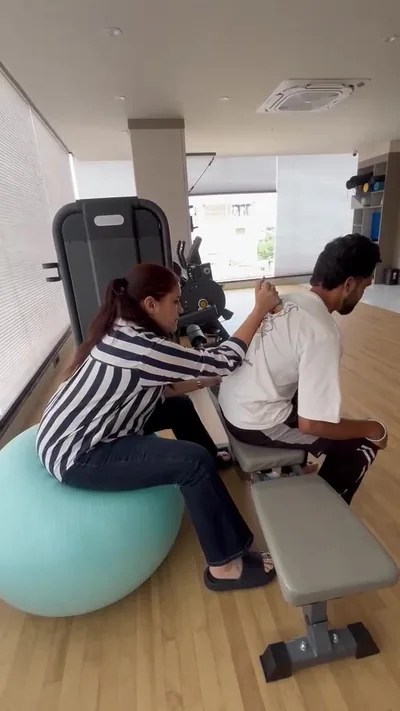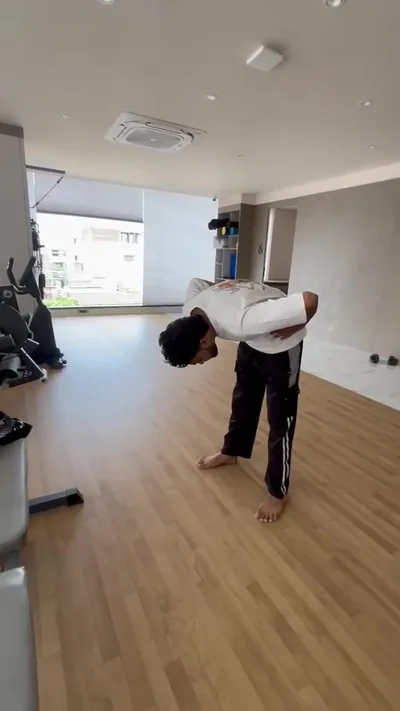
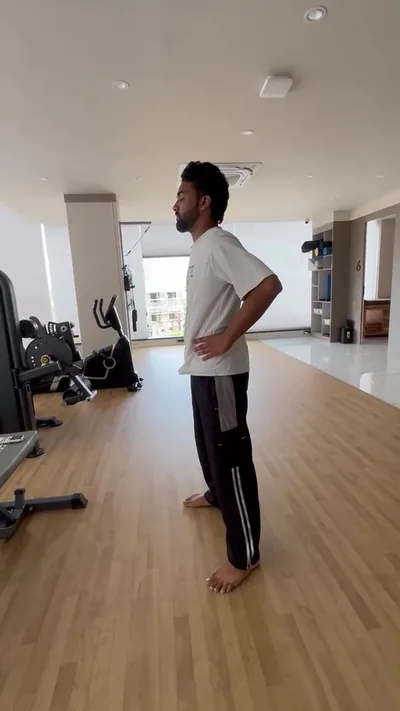
Is Side Bending Safe with L4 L5 Herniated Disc
An L4 L5 herniated disc happens when the disc between your fourth and fifth lumbar vertebrae bulges or ruptures. This presses on nearby nerves, causing pain…
Read article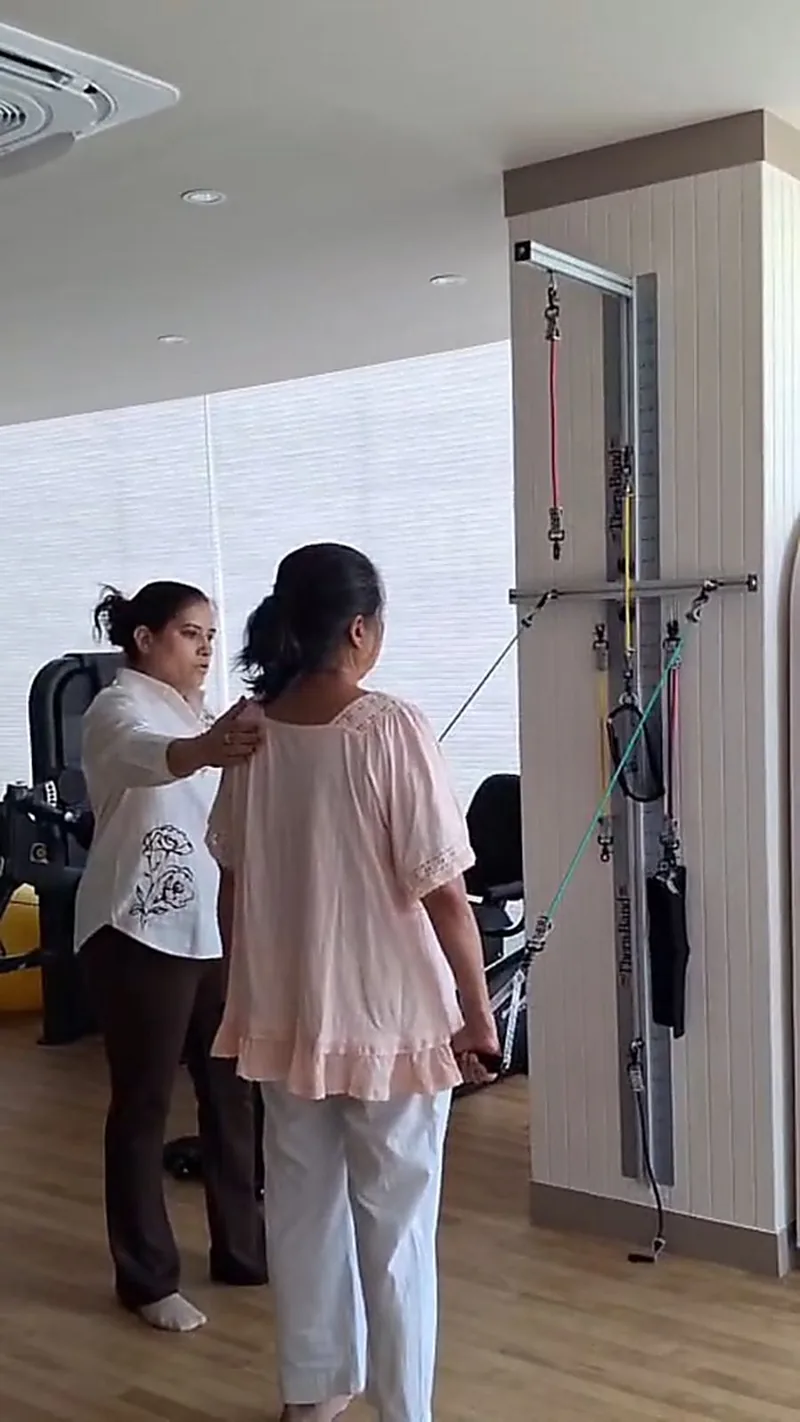

Frozen shoulder, or adhesive capsulitis, causes stiffness and pain in the shoulder joint. The capsule around the joint thickens and tightens. This limits movement in all directions. Pain often worsens at night for many reasons. Gravity changes when you lie down. Fluid that builds up in the joint during the day presses more when flat. Side sleeping on the unaffected side pulls the affected shoulder into stretch. This tugs the tight capsule.
Lying on the unaffected side presses the affected shoulder forward against the bed. The tight capsule resists this. Pain flares. Lying on the affected side may feel less painful at first. But pressure on the joint can build if unsupported. Stomach sleeping twists the shoulder. Back sleeping keeps it neutral if supported well. A physiotherapist assesses your exact pattern. They measure range of motion. They note pain triggers in different positions. This guides personal care. See one for in-person checks. Self-care helps but misses full picture.
Side sleepers with frozen shoulder must avoid pressure on the affected side. Back sleeping works best overall. Place a pillow or rolled towel under the affected arm. This keeps the arm in a neutral position. The upper arm rests slightly forward. Elbow bends naturally. Avoid letting the arm flop to the side.
If side sleeping cannot be avoided, lie on the affected side. Place a firm pillow in front to hug. Rest the affected arm on it. Forearm points forward. Keep the elbow at waist level. Bend knees slightly for spine alignment. Avoid curling into a ball. This shortens chest muscles and pulls the shoulder.
Use a body pillow for full support. It runs along your front. Affected arm drapes over it. Unaffected arm rests on top. This stops rolling. Choose medium-firm pillows. They fill the neck gap without sinking too much. Test positions during the day. Lie down for 10 minutes. Note pain levels. Switch if one worsens. Keep room cool. Heat builds inflammation at night. Looking for a Physiotherapy Near Me? Our team in Vaishali Nagar, Jaipur can assess you in person.
Prepare before sleep to cut night pain from frozen shoulder. Check posture in the evening. Sit tall. Stand with shoulders level. Roll shoulders back gently every hour. This counters daytime hunching. Avoid overhead reaching late in the day.
Apply heat 15 minutes before bed. Use a warm towel or hot pack, wrapped in cloth. Never apply directly to skin. Heat loosens the capsule. Improves blood flow. Follow with gentle movement. Do not stretch hard. A warm shower works too. Let water run over the shoulder for 5 minutes. Move the arm slowly in all directions. Pat dry. Do light stretches after.
Dim lights an hour before bed. This signals rest. Avoid screens. They tense muscles. Take any prescribed pain relief as advised by your doctor. Combine these for better nights.
Do exercises daily, especially evenings, to fight night pain from frozen shoulder. Stop if pain sharpens beyond mild discomfort. Start slow. A physiotherapist shows exact form. Do 2-3 sessions daily, 10-15 minutes each. Breathe deeply. Move smoothly. Track what helps most.
Pendulum exercise starts it. Stand or sit. Lean forward from hips. Let affected arm hang loose like a pendulum. Swing forward and back 10 times. Then side to side 10 times. Make small circles, 10 each way. Keep shoulder blades down. This mobilises without force. More on Frozen Shoulder Treatment and how we assess it.
Add towel stretch next. Hold a towel behind your back with both hands. Good arm pulls up gently. Feel mild stretch in affected shoulder. Hold 10 seconds. Repeat 5 times. Do not yank.
Wall walk builds range. Face a wall. Walk fingers of affected hand up slowly. Go as high as comfortable without pain. Hold 10 seconds. Slide down. Repeat 5 times. Use good arm if needed at first.
Doorway stretch opens chest. Place forearm on door frame at shoulder height. Lean forward gently. Feel stretch across chest and shoulder. Hold 15-20 seconds. Repeat 3 times each side.
Cross-body reach finishes. Lift affected arm across body with good arm. Support at elbow. Hold 15 seconds. Repeat 5 times. These ease capsule tightness over time. You may also find Night Pain Frozen Shoulder Side Sleeping useful.
Manual Therapy mobilises the joint if needed. Electrotherapy reduces pain signals. These aid Orthopaedic Rehabilitation. Progress slowly through stages.
Physiotherapy targets root causes of frozen shoulder night pain. In Jaipur, experts assess your shoulder fully. They test range in all planes. Note painful positions, especially lying down. Explain stages: freezing (pain builds, motion drops), frozen (stiffness peaks), thawing (mobility returns gradually). Tailored plan matches your stage.
A session lasts 45-60 minutes. Starts with history and checks. Hands-on work follows. You get exercises and home tips. They watch your sleep positions. Suggest tweaks. Repeat visits track changes.
Tools include Class IV High Power Laser Therapy for deep relief. TECAR Therapy heats tissues safely. At Trivayu Physio Center, Vaishali Nagar and Vidyadhar Nagar, Rangoli Gardens. Team: Dr. Jyoti Choudhary (17+ years sports/orthopaedics), Dr. Hritika Choudhary (electrotherapy specialist).
Book in-person assessment. Home visits and online consults available. Call +91 90570 65065 or WhatsApp. Early care speeds relief. Do not delay if pain disrupts sleep.
Sleep on back or affected side with pillows for support. Avoid unaffected side. Use body pillow. Elevate arm if swollen. Test daytime first.
Lying down shifts fluid in joint. Less movement builds stiffness. Side positions stretch tight capsule unevenly.
Back sleeping with arm support. Side on affected side hugging pillow. Avoid stomach or unaffected side.
Yes. Exercises, manual techniques, and therapies improve mobility and cut pain over time.
If pain lasts weeks, limits daily tasks, or disrupts sleep. Early assessment helps most.
Yes: freezing (pain dominant), frozen (stiffest), thawing (recovery phase).
Frozen shoulder improves with consistent care. Combine sleep adjustments, daily exercises, and professional help. Track pain triggers in a notebook. Note what worsens or helps. Share with your physiotherapist. Adhesive capsulitis relief comes from steady work. Patience matters through stages. Ready to start? Book at Trivayu Physio Center. WhatsApp or call +91 90570 65065.
Physiotherapy is not the right first step for everything. Seek medical assessment promptly if any of the following apply to you:
If you lose control of your bladder or bowels, develop numbness around the groin, or have chest pain or breathlessness, treat it as an emergency and go to hospital.
Truly thankful to Dr. Jyoti Choudhary and the entire team of Trivayu Physio Centre for their genuine care, humble behaviour, and excellent treatment.
Mahesh Dhaka, Google review
This is one patient's own account, published with consent on our reviews page. It describes their experience, not a predicted outcome. Individual results vary.
An L4 L5 herniated disc happens when the disc between your fourth and fifth lumbar vertebrae bulges or ruptures. This presses on nearby nerves, causing pain…
Read articleShopkeepers in Jaipur often stand for long hours behind counters. This prolonged standing can trigger sciatica pain. Sciatica happens when the sciatic nerve gets irritated, often…
Read articleHerniated disc night pain disrupts sleep for many. The disc bulge presses on nerves, causing sharp back pain or sciatica that flares up at night. Simple…
Read articleMessage us on WhatsApp with your main concern and preferred time, and we'll confirm your first visit the same day.